
Iraq Oil &
Discover how oil and gas logistics Iraq can transform your logistics operations. This article provides a comprehensive, expert-driven guide to navigating the unique operational, security, and regulatory complexities of oil and gas logistics in Iraq, offering actionable strategies for resilient supply chain success and highlighting broader industrial transport capabilities in the region. Iraq, a pivotal player in the global energy landscape, holds the world’s fifth-largest proven crude oil reserves, making its oil and gas sector not merely an economic driver but a cornerstone of its national stability and international influence. The sheer scale and strategic importance of these resources necessitate an equally sophisticated and robust logistics framework. For businesses operating or looking to enter this dynamic market, understanding the intricacies of moving vital equipment, personnel, and finished products across diverse and often challenging terrains is not just an advantage—it is an absolute prerequisite for success. This introduction sets the stage for a deep dive into why mastering the nuances of logistics in this critical sector is paramount for any stakeholder aiming to capitalize on Iraq’s immense energy potential.
This comprehensive guide explores oil and gas logistics Iraq through multiple perspectives, beginning with an examination of the critical role this sector plays in Iraq’s broader economy. We will delve into understanding Iraq’s unique oil and gas landscape, identifying both the immense opportunities it presents and the inherent obstacles that must be skillfully overcome. A significant portion of our focus will be dedicated to navigating the core challenges inherent in Iraqi oil and gas logistics, from fluctuating security environments and underdeveloped infrastructure to complex regulatory frameworks. For instance, successfully executing a project often relies on efficient
Freight forwarding, the coordination of shipping goods from one place to another via a single or multiple carriers, involves managing complex documentation and customs procedures to ensure timely and cost-effective delivery across borders.
These challenges extend to customs procedures, where
Customs clearance involves the meticulous preparation and submission of documentation required by customs authorities to facilitate the entry or exit of goods across international borders, ensuring compliance with trade regulations and duties.
The article will provide a detailed roadmap for strategic planning, emphasizing the development of robust oil and gas supply chains capable of withstanding the region’s unique pressures. This includes exploring specialized transport solutions tailored for the Iraqi oil and gas sector, which often demands bespoke approaches for oversized cargo and hazardous materials.
Beyond the direct needs of the oil and gas industry, this article will also illuminate how the lessons learned and infrastructure developed for energy logistics can support broader industrial and construction materials transport, particularly in regions like Kurdistan, which boasts a relatively more stable operating environment. Understanding oil and gas logistics iraq is essential. Ensuring compliance, safety, and rigorous risk mitigation are non-negotiable pillars of any successful logistics operation in Iraq. We will explore best practices for adhering to international standards and local regulations, safeguarding assets, and protecting personnel in a high-stakes environment. Key to this is the proper handling of shipping documentation, such as a
Bill of Lading (BOL), which is a legal document issued by a carrier to a shipper, serving as a contract of carriage, a receipt for goods, and a document of title, crucial for facilitating international trade and cargo insurance.
Furthermore, understanding
Incoterms (International Commercial Terms) is a set of globally recognized rules published by the ICC that define the responsibilities of buyers and sellers for the delivery of goods under sales contracts, clarifying costs, risks, and obligations in international trade.
is vital for clarifying responsibilities and mitigating disputes. The integration of cutting-edge technology and data analytics is increasingly critical for optimizing logistics performance, enabling real-time tracking, predictive maintenance, and enhanced decision-making across complex supply chains. This technological integration is not just about efficiency; it’s about building resilience.
The insights derived from the oil and gas sector are invaluable for building resilient supply chains across all Iraqi industries, offering a blueprint for navigating complexity and uncertainty. When it comes to oil and gas logistics iraq, expertise matters. The article will project the future outlook for oil and gas logistics Iraq, highlighting areas of growth, innovation, and potential investment. From the expansion of pipeline networks to the modernization of port facilities, the future promises both continued challenges and significant opportunities for those prepared to adapt. Choosing a strategic logistics partner is perhaps one of the most crucial decisions for success in Iraq’s energy sector, requiring careful due diligence and a deep understanding of local capabilities and networks. The complexities of
Last-mile delivery, which refers to the final leg of a product’s journey from a transportation hub to its ultimate destination, often the most complex and expensive part of the supply chain, particularly challenging in remote or insecure areas,
are often underestimated but are critical for project success. Whether you are a seasoned logistics professional seeking to refine your strategies or a business owner contemplating entry into this vital market, you will gain actionable insights to enhance your operations, mitigate risks, and seize growth opportunities. This comprehensive exploration aims to equip you with the knowledge and tools necessary to master the intricacies of Iraqi oil and gas logistics, transforming potential hurdles into pathways for unparalleled success.
By dissecting the unique landscape of oil and gas logistics in Iraq, navigating its treacherous terrain, examining the pillars of movement through various transportation modes and infrastructure, mastering the maze of regulatory compliance and customs, and ultimately building bridges to success through strategic partnerships and leveraging technology, this article offers a holistic view. Prepare to delve into the core challenges, strategic solutions, and future outlook that define this critical sector. Let us begin our journey into understanding and conquering the complexities of oil and gas logistics in Iraq.
The Unique Landscape of Oil and Gas Logistics in Iraq
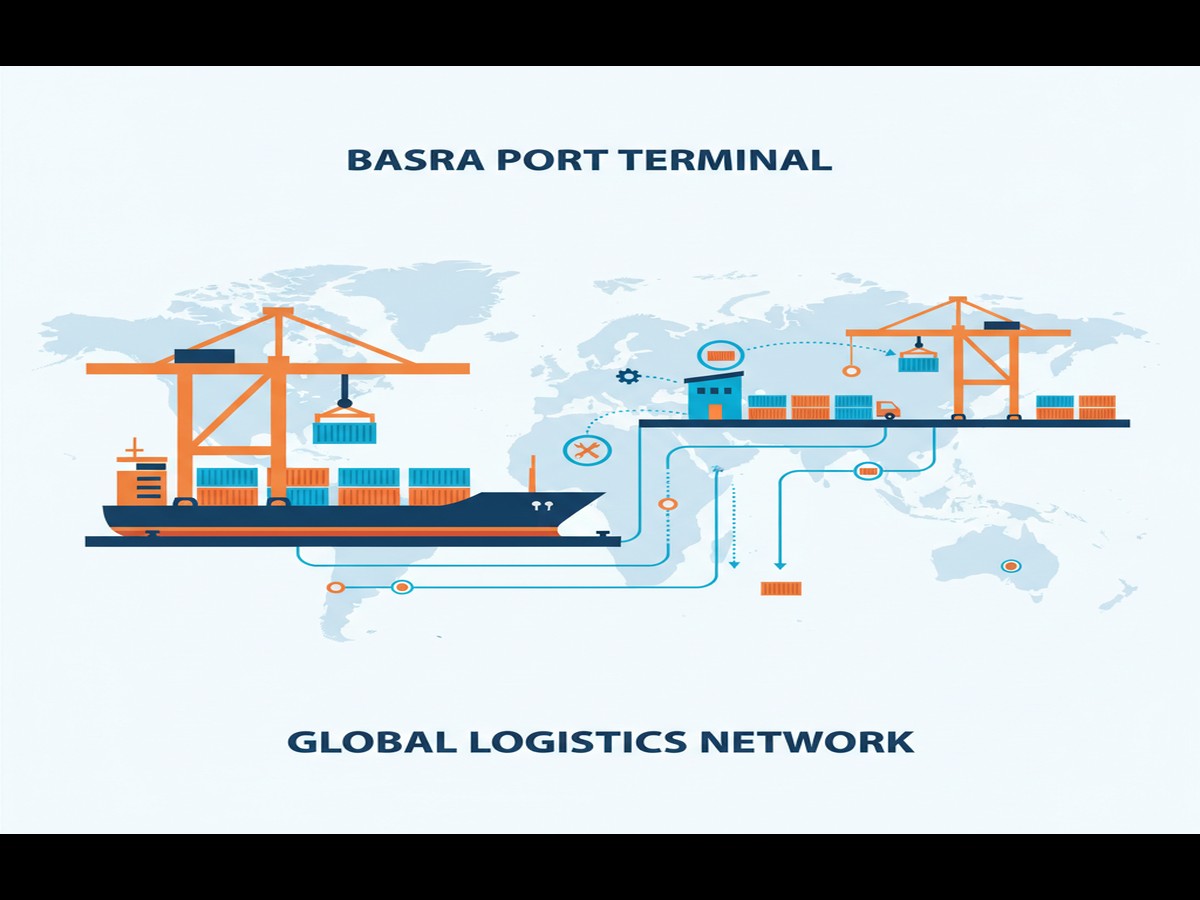
Iraq stands as a cornerstone of global energy supply, with its vast oil and gas reserves fueling economies worldwide. Consequently, the domain of oil and gas logistics Iraq is not merely an operational necessity but a strategic imperative, fraught with unique complexities that demand specialized expertise and meticulous planning. Direct Drive Logistic understands that navigating this landscape requires an intricate blend of geopolitical awareness, robust infrastructure management, and an unwavering commitment to security and efficiency.
Key Aspects of the Unique Landscape of Oil and Gas Logistics in Iraq
The operational environment for oil and gas logistics in Iraq is distinctive, shaped by a confluence of geographical, political, and economic factors. Geographically, Iraq presents a varied terrain, from the vast deserts of the south to the mountainous regions of Kurdistan, each posing distinct challenges for transportation and infrastructure development. Politically, the interplay between federal and regional authorities, particularly concerning customs and permits, adds layers of complexity to cross-regional movements. Economically, the sector is experiencing significant investment, driving demand for heavy equipment transport and specialized services. This dynamic environment necessitates a deep understanding of local regulations, cultural nuances, and the evolving security situation to ensure seamless operations.
Common Challenges in the Unique Landscape of Oil and Gas Logistics in Iraq
Despite its immense potential, the oil and gas logistics sector in Iraq faces several inherent challenges. Security remains a paramount concern in certain operational areas, requiring advanced risk mitigation strategies and secure transport solutions. Infrastructure, while improving, still presents bottlenecks, with road networks often requiring significant upgrades for heavy haulage, and port capacities sometimes stretched. Bureaucratic hurdles, including complex customs procedures and varying regional regulations, can lead to significant delays and increased operational
Navigating the Treacherous Terrain: Core Challenges in Iraqi O&G Logistics
Iraq’s vast oil and gas reserves represent a cornerstone of its economy and global energy supply. However, the operational landscape for Iraq oil and gas market is fraught with significant logistical challenges that demand strategic foresight and robust solutions. Navigating this treacherous terrain requires a deep understanding of the core obstacles that impact the efficiency, safety, and cost-effectiveness of supply chain operations.
Persistent Security Risks and Geopolitical Instability Impacting Supply Chains
The foremost challenge in Iraqi O&G logistics remains the persistent security risks and geopolitical instability. While the security situation has improved in many areas, localized conflicts, insurgent activity, and regional tensions continue to pose threats to personnel, infrastructure, and transport routes. This volatile environment necessitates extensive security protocols, including armed escorts and advanced tracking systems, which significantly increase operational costs and complexity. The uncertainty can lead to rerouting, delays, and increased insurance premiums, directly impacting the predictability of supply chains for critical equipment and personnel. Even general Iraq energy politics can influence the operational stability of foreign companies, creating an unpredictable environment for long-term investments.
Aging Infrastructure and Logistical Bottlenecks Hindering Efficient Operations
Iraq’s infrastructure, severely impacted by decades of conflict and underinvestment, presents formidable logistical bottlenecks. Roads are often poorly maintained, prone to damage, and lack the capacity for the heavy-duty transport required by the oil and gas sector. Ports, though undergoing some upgrades, can suffer from congestion and outdated handling equipment, leading to significant delays in offloading vital supplies. The limited rail network and pipeline infrastructure further constrain efficient movement, forcing a heavy reliance on road transport. This infrastructure deficit not only increases transit times and fuel consumption but also elevates the risk of accidents and damage to high-value cargo. Addressing these issues is crucial for effective petroleum logistics Iraq, impacting everything from raw crude to refined products. For instance, the challenges in moving specialized drilling equipment or large modules are similar to those faced by Iraq freight logistics for oversized construction materials transport in Kurdistan, where infrastructure limitations dictate the feasibility and cost of projects.
Complex Regulatory Frameworks and Bureaucratic Hurdles for Seamless Movement
Beyond physical and security constraints, the regulatory landscape in Iraq adds another layer of complexity to oil and gas logistics. Companies often face intricate and sometimes inconsistent customs procedures, permit requirements, and licensing processes. Bureaucratic hurdles, coupled with a lack of transparency and varying interpretations of regulations across different regions (such as between federal Iraq and the Kurdistan Region), can lead to significant delays at checkpoints and borders. Obtaining the necessary approvals for everything from importing spare parts to transporting hazardous materials can be a time-consuming and arduous process. This regulatory labyrinth demands specialized local expertise and robust compliance strategies to ensure the seamless movement of goods and avoid costly penalties, impacting everything from large-scale projects to the timely delivery of specialized items like those in pharmaceutical logistics Erbil.
The Pillars of Movement: Transportation Modes and Infrastructure in Iraq

The Pillars of Movement: Transportation Modes and Infrastructure in Iraq
Efficient transportation is the bedrock of successful oil and gas operations in Iraq, a nation with vast hydrocarbon reserves. Moving crude oil, refined products, equipment, and personnel across diverse terrains and often challenging environments requires a sophisticated and resilient oil and gas logistics network. This section delves into the critical transportation modes and infrastructure that underpin oil and gas logistics in Iraq, highlighting key aspects, best practices, and common challenges.
Key Aspects of Pillars of Movement: Transportation Modes and Infrastructure in Iraq
Iraq’s strategic location and extensive oilfields necessitate a multi-modal approach to transportation. Road transport serves as the primary artery for internal movements, facilitating the delivery of everything from drilling equipment to daily supplies and personnel. Major highways connect production sites in the south to central and northern regions, though road quality can vary significantly. Sea transport, centered around the Persian Gulf ports like Umm Qasr and Al Faw, is vital for international crude oil exports and the import of heavy machinery and specialized components. Air cargo, utilizing international airports in Baghdad and Erbil, handles time-sensitive shipments and personnel transfers, especially for remote or high-security areas. While less developed, the rail network holds future potential for bulk cargo movement, easing pressure on roads. Crucially, pipelines remain the most efficient and cost-effective method for large-scale crude oil and natural gas transmission, both domestically and for export via routes such as the Kirkuk-Ceyhan pipeline. The Iraqi oil and gas market relies heavily on these interconnected systems.
Best Practices for Pillars of Movement: Transportation Modes and Infrastructure in Iraq
Optimizing transportation for oil and gas logistics in Iraq demands adherence to stringent best practices. Integrated logistics planning, which strategically combines road, sea, and air transport, minimizes transit times and costs while maximizing operational flexibility. Implementing robust security protocols is paramount, particularly for high-value cargo and personnel convoys, often involving armed escorts and advanced tracking systems. Leveraging technology, such as real-time GPS tracking, predictive maintenance for vehicles, and digital inventory management, enhances visibility and efficiency across the supply chain. Strict compliance with local and international regulations, including customs procedures and environmental standards, is non-negotiable. Finally, fostering strategic partnerships with experienced local logistics providers, like Direct Drive Logistic, ensures deep regional expertise and seamless navigation of the complex operational landscape. These practices are essential for smooth Iraq market reports show continued growth.
Common Challenges in Pillars of Movement: Transportation Modes and Infrastructure in Iraq
Despite significant potential, the transportation infrastructure in Iraq faces several persistent challenges. Decades of conflict and underinvestment have left much of the road and rail network in need of substantial upgrades, leading to longer transit times and higher maintenance costs for vehicles. Port congestion, particularly at key maritime gateways, can cause delays for imported equipment and exported oil. Security risks, stemming from geopolitical instability and localized incidents, continue to pose a threat to supply routes and personnel, requiring constant vigilance and adaptive planning. Navigating the complex regulatory environment, which can vary between federal and regional authorities (e.g., for construction materials transport Kurdistan), adds layers of administrative hurdles. Furthermore, the specialized nature of oil and gas transport, similar to the demands of pharmaceutical logistics Erbil, often requires specific equipment and skilled personnel, which can be in short supply. Despite these hurdles, the Iraq logistics market continues to adapt and grow.
Need Reliable Delivery Services?
Get a free quote from Direct Drive Logistic today. Fast, secure, and professional logistics solutions tailored to your needs.
Oil And Gas Logistics Iraq Mastering the Maze: Regulatory Compliance and Customs in Iraqi O&G
Navigating the intricate web of regulatory compliance and customs procedures, particularly for petroleum transportation Iraq, is paramount for any successful venture in the Iraq oil and gas market.
Oil And Gas Logistics Iraq Building Bridges to Success: Choosing Partners and Leveraging Technology

Building Bridges to Success: Choosing Partners and Leveraging Technology
Navigating the complex landscape of Iraqi logistics, particularly within the demanding petroleum transportation Iraq, requires more than just operational prowess; it demands strategic foresight in partner selection and a commitment to technological integration. Success in oil and gas logistics Iraq hinges on building robust frameworks that prioritize efficiency, security, and compliance.
Forging Strategic Alliances with Local Experts for Seamless Iraqi Operations
The intricate tapestry of Iraq’s geography, diverse regulatory environments, and unique cultural nuances makes local expertise indispensable. Partnering with seasoned Iraqi logistics providers offers an unparalleled advantage. These local experts possess an intimate understanding of regional customs, political dynamics, and the intricate permit requirements that can often be a bottleneck for international firms. Their established networks facilitate smoother passage through checkpoints, provide critical insights into local labor practices, and ensure compliance with regional laws, particularly vital for sensitive operations like construction materials transport Kurdistan. Such alliances significantly de-risk operations, offering invaluable on-the-ground intelligence and problem-solving capabilities. For example, understanding the specific routes and security considerations for transporting heavy equipment to remote oil fields in Basra or Kirkuk requires deep local knowledge that only experienced partners can provide. This collaborative approach not only streamlines operations but also fosters trust and strengthens community relations, which are crucial for long-term sustainability in the region.
Implementing Advanced Digital Platforms
Beyond human expertise, the integration of cutting-edge digital platforms is transforming the efficiency and security of logistics operations across Iraq. Modern supply chains, especially in high-stakes sectors like oil and gas, demand real-time visibility, predictive analytics, and robust security measures. Advanced digital platforms, incorporating GPS tracking, IoT sensors, and AI-driven route optimization, provide end-to-end transparency from origin to destination. These systems allow for precise monitoring of cargo, proactive identification of potential delays or security threats, and optimized resource allocation. For instance, the meticulous demands of pharmaceutical logistics Erbil, where temperature control and swift delivery are paramount, highlight the necessity of such advanced tracking and monitoring capabilities. Similarly, ensuring the integrity and timely delivery of critical components for oil and gas projects benefits immensely from these technologies. The global energy sector is increasingly reliant on such advancements, with significant growth projected in the market, as detailed in recent oil and gas analysis. Implementing these platforms enhances operational efficiency, reduces human error, and provides a comprehensive audit trail, which is essential for regulatory compliance and risk management. Furthermore, leveraging data analytics from these platforms can inform strategic decisions, leading to continuous improvement in service delivery and cost reduction within the dynamic Iraq oil and gas market.
By strategically combining the invaluable insights of local Iraqi partners with the power of advanced digital logistics platforms, companies can build resilient, efficient, and secure supply chains capable of meeting the unique challenges and opportunities within Iraq’s vital energy sector.
Paving the Way Forward: Best Practices and Future Trends in Iraqi O&G Logistics
The Iraqi oil and gas sector stands at a pivotal juncture, poised for significant growth but reliant on a robust and forward-thinking logistics framework. Paving the way forward for oil and gas logistics Iraq demands a strategic blend of innovation, collaboration, and resilience. This section delves into the critical aspects, best practices, and persistent challenges that define the path to optimized logistics operations and future success in the region.
Key Aspects of Paving the Way Forward in Iraqi O&G Logistics
Success in Iraqi O&G logistics hinges on several foundational pillars. Firstly, strategic planning must move beyond immediate operational needs to encompass long-term infrastructure development and capacity building. This includes anticipating shifts in global energy demands and regional political dynamics. Secondly, embracing technological advancements is no longer optional but essential for efficiency and safety. From advanced tracking systems to data analytics, technology can revolutionize supply chain visibility and decision-making. Lastly, fostering a stable and transparent regulatory environment is crucial to attract sustained investment and ensure smooth operations. Building trust among international partners and local stakeholders is paramount for sustainable progress.
Best Practices for Optimizing Iraqi O&G Logistics
To truly optimize operations, the Iraqi oil and gas sector must adopt a series of best practices. Digital transformation is at the forefront, leveraging IoT sensors for real-time asset tracking, predictive maintenance of equipment, and AI-driven route optimization for transport fleets. This not only enhances efficiency but also significantly reduces operational costs and downtime. Implementing an integrated supply chain management approach ensures end-to-end visibility, from procurement of drilling equipment to the delivery of refined products. This involves close collaboration between operators, local logistics providers, and government agencies to streamline processes and minimize bottlenecks. Furthermore, stringent risk management and security protocols are indispensable. Given the region’s complexities, robust security measures for personnel, assets, and transport routes, coupled with comprehensive contingency planning for potential disruptions, are vital. Investing in local workforce development, training Iraqis in modern logistics technologies and safety standards, also creates a sustainable talent pool and fosters economic growth within the community. For instance, optimizing routes for heavy equipment and construction materials transport Kurdistan benefits from these advanced planning tools and skilled labor.
Common Challenges in Iraqi O&G Logistics
Despite the immense potential, several challenges continue to impact the efficiency and cost-effectiveness of Iraqi O&G logistics. One significant hurdle remains infrastructure gaps. While improvements are ongoing, the existing road networks, pipeline systems, and storage facilities often struggle to meet the demands of expanding operations, leading to delays and increased operational costs, particularly for oversized cargo. Regulatory complexity and bureaucracy also present considerable obstacles. Navigating varying regional regulations, customs procedures, and permit requirements can be time-consuming and unpredictable, hindering the swift movement of goods and equipment. Ongoing security concerns in certain areas necessitate heightened vigilance and specialized security arrangements, adding layers of complexity and expense to logistics planning. Finally, a shortage of highly skilled personnel capable of managing advanced logistics technologies and complex supply chains poses a recruitment challenge. Addressing these issues through sustained investment, streamlined governance, and targeted training initiatives will be critical for the continued growth and stability of the Iraqi oil and gas sector.
Frequently Asked Questions
▼ What are the primary challenges for oil and gas logistics in Iraq and Kurdistan?
Key challenges include navigating diverse regulatory frameworks between federal Iraq and Kurdistan, managing security risks, overcoming infrastructure limitations, and ensuring timely customs clearance. Specialized **oil and gas logistics Iraq** expertise is crucial for mitigating these complexities, requiring deep local knowledge and robust contingency planning to maintain operational efficiency and safety across all projects.
▼ Why is specialized expertise crucial for successful oil and gas logistics in Kurdistan?
Specialized expertise in Kurdistan ensures compliance with regional regulations, efficient cross-border operations, and effective risk management. Our 15+ years of experience provides unparalleled local insights, facilitating smoother permit acquisition, secure transport, and reliable supply chain management specific to the KRI's unique operational environment.
▼ How long does customs clearance typically take for oil and gas equipment entering Iraq?
Customs clearance for oil and gas equipment entering Iraq generally takes 3-7 business days, depending on documentation completeness and cargo type. Utilizing an experienced local customs broker, like Direct Drive Logistics, is vital to expedite processes, avoid delays, and ensure full compliance with Ministry of Oil and Ministry of Finance requirements.
▼ What specific services does Direct Drive Logistics offer for oil and gas projects in Basra?
In Basra, Direct Drive Logistics provides comprehensive services including port operations, heavy lift and oversized cargo transport, secure warehousing, and last-mile delivery to oilfields. We manage all aspects of **oil and gas logistics Iraq**, from vessel discharge at Umm Qasr to project site delivery, ensuring seamless and compliant operations for your critical assets.
▼ How much does secure transportation of hazardous materials (HAZMAT) cost in Iraq's oil fields?
The cost for secure HAZMAT transportation in Iraq's oil fields varies significantly based on material classification, volume, distance, and required security levels. Factors like specialized vehicles, certified drivers, and armed escorts influence pricing. Contact us for a tailored quote, ensuring full compliance with international and local safety standards.
▼ What permits are essential for transporting oversized oil and gas equipment across Iraq?
Essential permits for oversized oil and gas equipment transport across Iraq include Ministry of Oil (MOC) and Ministry of Defense (MND) approvals, along with specific traffic police escorts. Route surveys and structural assessments are also critical. Direct Drive Logistics manages all permit applications, guaranteeing full legal compliance and safe transit.
Conclusion
In conclusion, the intricate and vital realm of oil and gas logistics in Iraq demands more than just basic transportation; it necessitates a strategic partner equipped with unparalleled local insight, robust infrastructure, and an unwavering commitment to safety and efficiency. We've
Optimize your oil and gas operations in Iraq by partnering with
📞 Contact Us for a Consultation
Location
Direct Drive Logistic
MRF Quattro towers, Block A-29-1
Erbil, Kurdistan Region