
Iraq Oil & Gas Logistics: Challenges & Solutions 2025
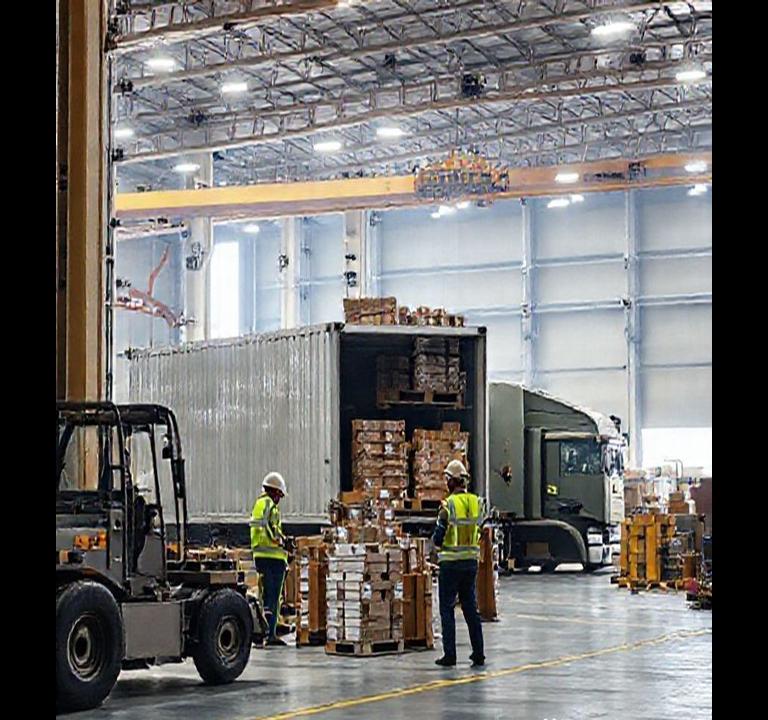
Discover how oil and gas logistics iraq can transform your logistics operations with provide actionable insights into overcoming logistical hurdles and capitalizing on opportunities within iraq’s key industries, showcasing adaptable solutions for sustainable growth. Iraq, a nation rich in oil reserves, presents a unique and complex landscape for logistics operations. Successfully navigating this environment requires a deep understanding of local regulations, infrastructure limitations, and security concerns. This comprehensive guide explores oil and gas logistics iraq through multiple perspectives, offering invaluable information for businesses looking to thrive in this dynamic market. This is crucial because efficient logistics directly impacts the profitability and sustainability of oil and gas operations, ensuring timely delivery of equipment and resources, and minimizing costly delays.
We’ll delve into various aspects of operating within the Iraqi logistics sector. Understanding oil and gas logistics iraq is essential. This includes understanding the nuances of international trade and the specific logistical challenges present in Iraq. We’ll also examine key considerations and best practices for navigating oil and gas logistics iraq, providing a framework for strategic decision-making. Furthermore, we will explore specialized logistics solutions, such as transporting construction materials to Kurdistan, and ensuring pharmaceutical supply chain integrity in Erbil, focusing on cold chain requirements and regulatory compliance. Optimizing manufacturing supply chains and implementing tailored industrial logistics solutions in Kurdistan will also be discussed. For instance, incoterms, a set of internationally recognized rules defining the responsibilities of sellers and buyers for the delivery of goods, are crucial for clarifying obligations and minimizing disputes in international trade transactions. Understanding these terms is essential for successful oil and gas logistics iraq. Another important aspect is bonded warehousing, a secure storage facility approved by customs authorities, allowing companies to store goods without paying duties or taxes until they are ready to be released into the market. This can significantly improve cash flow and reduce storage costs.
Whether you’re a logistics professional or a business owner, you’ll gain actionable insights to enhance your operations. This article will cover critical topics such as navigating Iraqi customs regulations for oil & gas equipment, secure transportation options for high-value oil & gas assets, overcoming infrastructure challenges in Iraqi oil & gas logistics, risk mitigation strategies for oil & gas logistics in Iraq, and choosing the right logistics partner for Iraqi oil & gas projects. Letter of Credit (LC), a financial instrument issued by a bank guaranteeing payment to a seller, is frequently used in international trade to mitigate risk and ensure secure transactions. It’s vital to understand how LCs work in the context of oil and gas logistics iraq, especially when dealing with international suppliers and customers.
The oil and gas sector in Iraq faces specific challenges that demand specialized logistics solutions. From navigating complex customs procedures to ensuring the safe and timely delivery of sensitive equipment, effective logistics is paramount. This article aims to equip you with the knowledge and strategies needed to overcome these hurdles and capitalize on the opportunities that Iraq’s oil and gas industry presents. We will also explore the importance of compliance with local regulations and international standards, which is critical for avoiding penalties and ensuring smooth operations. This includes understanding environmental regulations, labor laws, and safety protocols. Get ready to embark on a journey that will transform your understanding of oil and gas logistics iraq.
Now, let’s dive into the intricacies of navigating Iraqi customs regulations for oil & gas equipment, a crucial first step in ensuring smooth and compliant operations.
Navigating Iraqi Customs Regulations for Oil & Gas Equipment

Navigating Iraqi customs regulations is a critical aspect of oil and gas logistics in Iraq, particularly when importing specialized equipment. Understanding the requirements and procedures can help streamline the process and avoid costly delays. This section provides an overview of the key customs regulations for importing oil and gas equipment into Iraq, including documentation, inspection procedures, and strategies to address potential challenges.
Understanding Required Documentation for Oil & Gas Equipment Importation
Importing oil and gas equipment into Iraq requires a comprehensive set of documents to ensure compliance with local regulations. Essential paperwork includes a commercial invoice, bill of lading, packing list, and certificate of origin. Additionally, specific permits may be needed for hazardous materials or specialized machinery. For example, equipment used in Iraq’s energy sector often requires approvals from the Ministry of Oil. Ensuring all documents are accurate and complete is crucial to avoid customs hold-ups.
Complying with Inspection Procedures and Valuation Methods in Iraqi Customs
Iraqi customs authorities conduct thorough inspections of imported goods to verify compliance with local standards and regulations. Oil and gas equipment is often subject to detailed scrutiny to ensure it meets safety and technical specifications. Customs officials also assess the value of imported goods to determine applicable duties and taxes. Accurate valuation is essential, as discrepancies can lead to delays or penalties. For instance, Iraq’s gas investments have increased the demand for specialized equipment, making compliance with valuation methods more critical than ever.
Addressing Potential Delays and Seeking Expert Assistance for Customs Clearance
Delays in customs clearance can significantly impact project timelines and costs. Common issues include incomplete documentation, regulatory changes, or logistical bottlenecks. To mitigate these risks, many companies partner with experienced logistics providers familiar with Iraqi customs procedures. For example, firms involved in construction materials transport in Kurdistan often rely on experts to navigate complex regulations. Additionally, staying informed about Iraq’s gas pivot can help anticipate changes in customs requirements. Proactive planning and expert assistance are key to ensuring smooth customs clearance for oil and gas equipment.
By understanding and adhering to Iraqi customs regulations, businesses can optimize their oil and gas logistics in Iraq and minimize disruptions. Proper documentation, compliance with inspection procedures, and expert support are essential components of a successful import strategy. For companies involved in petroleum logistics iraq, this is especially important.
Oil And Gas Logistics Iraq Secure Transportation Options for High-Value Oil & Gas Assets
In the complex and high-stakes world of oil and gas logistics Iraq, ensuring the secure transportation of high-value assets is paramount. With volatile transit routes and the constant threat of theft or sabotage, companies must employ robust security measures to safeguard their cargo. This section delves into the most effective transportation methods, focusing on security and safety considerations for valuable oil and gas assets.
One of the most critical strategies for protecting high-value cargo is the use of escorted convoys and armed security, especially in high-risk transit routes. In Iraq, where geopolitical instability often complicates logistics, armed escorts provide an additional layer of protection. These convoys are typically equipped with advanced communication systems and are staffed by trained security personnel who can respond swiftly to potential threats. For example, companies transporting oilfield equipment or construction materials transport Kurdistan often rely on these measures to ensure safe passage through volatile regions.
Another essential component of secure transportation is the implementation of GPS tracking and real-time monitoring systems. These technologies allow logistics providers to monitor the location and status of assets throughout the supply chain continuously. In Iraq, where the terrain and security conditions can change rapidly, real-time tracking ensures that any deviations or delays are immediately identified and addressed. This level of oversight is particularly crucial for pharmaceutical logistics Erbil, where maintaining the integrity of temperature-sensitive cargo is vital. Efficient oil and gas logistics are critical for smooth operations.
Secure storage facilities and hardened vehicles further enhance asset protection. High-value oil and gas assets often require temporary storage during transit, and these facilities must be fortified against theft and environmental hazards. Hardened vehicles, designed to withstand extreme conditions and potential attacks, are another critical investment for companies operating in Iraq. According to Iraq logistics trends, the demand for such secure infrastructure is expected to grow as the country continues to expand its oil production capabilities.
In conclusion, the transportation of high-value oil and gas assets in Iraq demands a multi-faceted approach to security. By leveraging escorted convoys, advanced tracking technologies, and fortified storage solutions, companies can mitigate risks and ensure the safe delivery of their cargo. As highlighted in Iraq trade data, the country’s oil sector remains a cornerstone of its economy, making these security measures indispensable for sustained growth and operational success.
Overcoming Infrastructure Challenges in Iraqi Oil & Gas Logistics

Overcoming Infrastructure Challenges in Iraqi Oil & Gas Logistics
Iraq’s oil and gas sector, while rich in resources, faces significant hurdles due to infrastructure limitations. Effective oil and gas logistics iraq operations require strategic solutions to navigate these challenges and ensure the smooth flow of resources. This section delves into these challenges and outlines mitigation strategies.
Rehabilitating and Modernizing Existing Pipelines and Storage Facilities
Decades of conflict and underinvestment have left Iraq’s pipeline network and storage facilities in dire need of rehabilitation and modernization. Many pipelines are aging, prone to leaks, and lack the capacity to handle increased production. Similarly, storage facilities require upgrades to meet modern safety and environmental standards. Investment in these areas is crucial. For example, progress is being made in oil production and associated gas investments, according to oil production investments. Modernization involves implementing advanced monitoring systems, upgrading materials to withstand corrosion, and increasing storage capacity to accommodate fluctuations in production and demand. For construction materials transport kurdistan, specialized logistics providers are needed to deliver the necessary equipment and supplies to remote locations.
Investing in Road and Rail Networks for Efficient Equipment Transport
Reliable road and rail networks are essential for efficient equipment transport, especially for heavy and oversized loads associated with the oil and gas industry. However, Iraq’s road infrastructure has suffered from neglect and damage, while the rail network is underdeveloped. Investments in road and rail infrastructure should prioritize key routes connecting production sites, refineries, and export terminals. This includes upgrading existing roads, constructing new highways, and expanding the rail network to facilitate the movement of equipment, personnel, and supplies. This will enhance the efficiency of oil and gas logistics iraq and reduce transportation costs. Efficient logistics also extends to pharmaceutical logistics erbil, ensuring timely delivery of medical supplies for workers in the oil fields.
Securing Infrastructure Against Sabotage and Geopolitical Instability
Security remains a paramount concern for oil and gas infrastructure in Iraq. Pipelines, storage facilities, and transportation routes are vulnerable to sabotage and attacks, which can disrupt operations and cause significant economic losses. Geopolitical instability in the region further exacerbates these risks. Robust security measures are essential to protect infrastructure assets, including enhanced surveillance, armed patrols, and collaboration with local communities. Diversifying transportation routes and developing contingency plans can also help mitigate the impact of potential disruptions. As Iraq’s crude oil production fluctuates, secure and reliable logistics are vital to maintaining stability and maximizing revenue. Furthermore, for companies needing to import or export equipment, Ocean Freight Iraq provide crucial services.
Need Reliable Delivery Services?
Get a free quote from Direct Drive Logistic today. Fast, secure, and professional logistics solutions tailored to your needs.
Oil And Gas Logistics Iraq Risk Mitigation Strategies for Oil & Gas Logistics in Iraq
Navigating the complexities of oil and gas logistics in Iraq requires a proactive approach to risk mitigation. The region’s unique challenges, including security threats, political instability, and environmental concerns, demand tailored strategies to ensure operational continuity and asset protection.
Enhanced Security Measures: Protecting Assets from Theft, Sabotage, and Geopolitical Instability
Security remains a top priority in Iraq’s oil and gas logistics sector. Companies must implement robust measures to safeguard assets from theft, sabotage, and geopolitical risks. This includes deploying advanced surveillance systems, hiring private security firms with local expertise, and establishing secure storage facilities. For example, in regions like Kurdistan, where construction materials transport is critical, fortified logistics hubs have proven effective in deterring unauthorized access. Additionally, leveraging real-time tracking technologies can help monitor shipments and respond swiftly to potential threats.
Route Optimization and Diversification: Minimizing Exposure to High-Risk Transportation Corridors
Optimizing and diversifying transportation routes is essential to minimize exposure to high-risk areas. By analyzing Iraq crude oil trends, logistics planners can identify safer corridors and alternate pathways. For instance, shifting from conflict-prone zones to more stable routes can significantly reduce risks. In Erbil, where pharmaceutical logistics are vital, companies have successfully implemented route diversification strategies to ensure timely and secure deliveries. Utilizing geographic information systems (GIS) and predictive analytics further enhances decision-making in route planning.
Community Engagement and Local Partnerships: Fostering Positive Relationships for Operational Continuity
Building strong relationships with local communities and stakeholders is a cornerstone of successful oil and gas logistics in Iraq. Engaging with community leaders and fostering partnerships can mitigate risks associated with social unrest and regulatory challenges. For example, companies operating in Iraq have benefited from collaborating with local businesses and authorities to gain insights into regional dynamics. This approach not only enhances operational continuity but also supports local economies. As Iraq’s oil production grows, such partnerships will be crucial in maintaining a stable logistics environment. However, iraq logistics compliance (22 chars) can be challenging.
By integrating these risk mitigation strategies, companies can navigate the complexities of oil and gas logistics in Iraq more effectively. Enhanced security, optimized routes, and community engagement form a comprehensive approach to ensuring safe and efficient operations in this dynamic region.
Choosing the Right Logistics Partner for Iraqi Oil & Gas Projects

Choosing the Right Logistics Partner for Iraqi Oil & Gas Projects
Navigating the intricate landscape of Iraq’s oil and gas sector demands a logistics partner with unparalleled expertise and a deep understanding of the region’s unique operational challenges. Selecting the right provider is not merely about moving cargo; it’s about securing project timelines, ensuring safety, and optimizing costs within a complex environment. For successful oil and gas logistics Iraq, companies must scrutinize potential partners across several critical dimensions.
Understanding Local Regulations and Iraqi Customs Clearance Procedures
The regulatory framework in Iraq, including the semi-autonomous Kurdistan Region, is dynamic and requires specialized knowledge. A proficient logistics partner must demonstrate a profound understanding of local laws, import/export tariffs, and the often-complex Iraqi customs clearance procedures. This includes familiarity with documentation requirements, licensing, and any specific protocols for oil and gas equipment or hazardous materials. Delays at customs can lead to significant project setbacks and increased costs. For example, a partner with established relationships and a proven track record can pre-emptively address potential hurdles, ensuring smooth transit of critical components. This local expertise extends to navigating various governmental agencies and understanding regional nuances, which can vary significantly even within Iraq.
Assessing Experience with Specialized Equipment and Remote Site Operations
Oil and gas projects frequently involve oversized, heavy-lift cargo and highly specialized equipment, often destined for remote, challenging locations. The ideal logistics partner will have extensive experience in managing such complex moves, from origin to final site. This includes expertise in route surveys, multimodal transport solutions (e.g., sea, air, road), and the deployment of specialized lifting and handling equipment. Consider a partner’s history with projects requiring significant infrastructure and careful planning, like the transport of drilling rigs or modular refinery components. Their ability to deliver to remote desert sites or secure routes through regions like Kurdistan, where construction materials transport Kurdistan can present its own set of logistical challenges, is paramount. This specialized experience ensures that even the most delicate or cumbersome components arrive safely and on schedule.
Evaluating Security Protocols and Risk Mitigation Strategies in Iraq
Security remains a paramount concern for operations in Iraq. A top-tier logistics partner must possess robust security protocols and comprehensive risk mitigation strategies tailored to the Iraqi context. This involves detailed route planning, real-time tracking, secure warehousing, and, where necessary, armed escorts or convoy management. Companies should inquire about a partner’s risk assessment methodologies, emergency response plans, and their communication protocols in high-risk areas. Their ability to adapt to evolving security landscapes and provide secure transport for high-value goods—much like the precision and security required for pharmaceutical logistics Erbil—demonstrates a commitment to asset protection. A proactive approach to security, coupled with comprehensive insurance coverage and a strong safety record, is non-negotiable for safeguarding personnel, equipment, and project integrity in this vital region. Before selecting a partner, consider logistics consulting Iraq to ensure a well-informed decision.
Optimizing Supply Chain Efficiency for Oil & Gas Operations in Iraq
Optimizing Supply Chain Efficiency for Oil & Gas Operations in Iraq
The intricate landscape of oil and gas operations in Iraq demands a highly optimized and resilient supply chain. Given the unique challenges and opportunities within the region, streamlining logistics is not just about reducing costs, but ensuring operational continuity, safety, and timely project delivery. Direct Drive Logistic focuses on strategies that enhance efficiency across every touchpoint, from initial procurement to final delivery, recognizing that a robust supply chain is the backbone of successful energy projects in Iraq.
Addressing Infrastructure Challenges: Roads, Ports, and Border Crossing Logistics
Iraq’s infrastructure, while continually improving, presents significant hurdles for logistics operations. Road networks, particularly in remote areas, can be challenging due to varying conditions, security considerations, and seasonal weather impacts. Ports, such as Umm Qasr, face congestion and require efficient coordination to minimize vessel waiting times and accelerate cargo offloading. Border crossings, essential for importing specialized equipment and materials, are often subject to complex customs procedures and potential delays. Successfully navigating these requires meticulous planning, detailed route assessments, and a deep understanding of local regulations. For instance, managing construction materials transport Kurdistan often involves overcoming diverse geographical challenges and varying regional administrative processes, underscoring the need for expert local navigation in oil and gas logistics Iraq.
Leveraging Technology for Real-Time Tracking and Improved Inventory Management
In a dynamic environment like Iraq, technology is a game-changer for supply chain optimization. Implementing advanced logistics software, including GPS tracking and IoT sensors, provides real-time visibility into the movement of critical assets and materials. This allows for proactive problem-solving, improved security, and more accurate estimated times of arrival. Furthermore, sophisticated inventory management systems (IMS) and warehouse management systems (WMS) enable predictive analytics, helping to forecast demand, minimize stockouts, and reduce excess inventory. This not only cuts down on storage costs but also ensures that essential components are available precisely when needed, preventing costly operational downtime. The ability to track every shipment from origin to destination offers unparalleled control and transparency.
Local Partnerships: Building Strong Relationships for Seamless Operations
The cornerstone of efficient logistics in Iraq is the cultivation of strong, reliable local partnerships. Collaborating with established Iraqi logistics providers offers invaluable benefits, including access to local knowledge, experienced personnel, and existing networks. These partnerships are crucial for navigating local customs, understanding regional nuances, and ensuring compliance with all regulatory requirements. Local partners can also provide critical support in terms of security, equipment sourcing, and last-mile delivery, especially in areas where international operators might face limitations. For example, the specialized requirements of pharmaceutical logistics Erbil highlight the necessity of local expertise for handling sensitive cargo with strict compliance. By integrating local capabilities with global best practices, oil and gas companies can achieve unparalleled operational fluidity and significantly mitigate risks, fostering a more resilient and cost-effective supply chain. To ensure seamless operations, companies need to consider logistics services iraq.
The Future of Oil & Gas Logistics in Iraq: Trends and Opportunities
The Future of Oil & Gas Logistics in Iraq: Trends and Opportunities
The oil and gas logistics iraq sector is on the cusp of significant transformation, driven by technological advancements, infrastructure development, and a growing emphasis on local content. These trends present both challenges and considerable opportunities for companies operating in the region. Embracing these changes will be crucial for sustained success and contribution to Iraq’s economic growth. For instance, the Kurdistan region sees significant movement of construction materials transport kurdistan, driven by ongoing development projects.
Digital Transformation: Optimizing Supply Chains with Technology Adoption
Digital transformation is revolutionizing supply chain management across industries, and oil and gas logistics iraq is no exception. The adoption of technologies like IoT, AI, and blockchain offers unprecedented opportunities to optimize operations, enhance visibility, and reduce costs. Real-time tracking of shipments, predictive maintenance of equipment, and automated inventory management are becoming increasingly common. These advancements not only improve efficiency but also enhance safety and security, particularly crucial in the challenging operating environment of Iraq. Imagine the impact of AI-powered route optimization in navigating the complexities of Iraqi roadways, or blockchain ensuring the integrity of pharmaceutical logistics erbil, vital for employee health and well-being on project sites. These technologies are paving the way for smarter, more resilient supply chains.
Infrastructure Development: Investing in Roads, Ports, and Pipelines for Growth
Iraq’s infrastructure is undergoing significant development, with investments being made in roads, ports, and pipelines. These projects are critical for improving the efficiency and capacity of the oil and gas logistics sector. Improved road networks facilitate faster and more reliable transportation of goods, while expanded port facilities enhance import and export capabilities. New pipelines increase the capacity for transporting crude oil and natural gas, reducing reliance on trucking and other less efficient modes of transport. These infrastructure upgrades are essential for unlocking the full potential of Iraq’s oil and gas resources. Strategic investments in key areas will greatly improve Iraq market access for international partners.
Local Content and Capacity Building: Empowering Iraqi Businesses in Logistics
There’s a growing emphasis on local content and capacity building within the Iraqi oil and gas logistics sector. The government is actively promoting the participation of Iraqi businesses in the supply chain, encouraging partnerships between international companies and local firms. This approach aims to create jobs, transfer knowledge, and build a sustainable domestic logistics industry. Initiatives such as training programs and preferential procurement policies are helping to empower Iraqi businesses and enhance their capabilities. This shift towards local content not only benefits the Iraqi economy but also creates a more resilient and diversified supply chain. The drive for economic diversification is also leading to growth in specialized areas like logistics company iraq, further boosting local business opportunities.
Frequently Asked Questions
▼ What defines oil and gas logistics in Iraq and Kurdistan?
**Oil and gas logistics Iraq** involves specialized transportation, warehousing, and customs clearance for equipment, materials, and personnel supporting exploration, production, and refining. It demands precise planning, robust security, and deep local regulatory knowledge to ensure seamless, compliant operations across federal Iraq and the Kurdistan Region. We handle everything from drilling rigs to spare parts.
▼ What are the biggest challenges for oil and gas supply chains in Iraq?
Key challenges include navigating diverse security landscapes, varying customs regulations between federal Iraq and the KRG, underdeveloped infrastructure, and the need for specialized heavy-lift capabilities. Overcoming these requires expert route planning, robust risk management, and strong local partnerships to avoid costly delays and ensure operational continuity.
▼ Why choose a local logistics partner for oil and gas projects in Iraq?
A local partner offers invaluable expertise in regional regulations, specific routes, and security protocols. Our 15+ years of experience ensures efficient customs clearance, permits, and conflict resolution, crucial for successful **oil and gas logistics Iraq**. We provide on-the-ground support, reducing risks and optimizing transit times for your critical cargo.
▼ How much does oil and gas logistics typically cost in Iraq?
Costs for oil and gas logistics vary significantly based on cargo type, size, weight, destination (e.g., Basra vs. Erbil), and required security. Factors like specialized equipment, customs duties, and urgent delivery impact pricing. We recommend a detailed consultation to provide a tailored, transparent quote for your specific project needs.
▼ How long does it take to clear customs for oil and gas equipment in Iraq?
Standard customs clearance for **oil and gas logistics Iraq** cargo typically takes 3-7 working days with complete documentation. However, complex or oversized equipment, or specific import licenses, can extend this to 10-14 days. Pre-clearance procedures and accurate paperwork are vital to expedite the process effectively.
▼ What transportation methods are primarily used for oil and gas logistics in Iraq?
The primary method for **oil and gas logistics Iraq** is specialized road freight, utilizing heavy-haulage trucks and multi-axle trailers for oversized cargo. Sea freight via Umm Qasr Port is crucial for bulk imports, complemented by air cargo for urgent, high-value components. Multimodal solutions are often deployed for optimal efficiency.
Conclusion
In conclusion, navigating the complexities of oil and gas logistics in Iraq demands expertise, meticulous planning, and unwavering commitment to safety and efficiency. From securing permits and managing intricate supply chains to ensuring the safe transport of specialized equipment, the challenges are significant. However, with the right logistics partner, these challenges can be overcome, unlocking the immense potential of Iraq’s energy sector.
At Direct Drive Logistics, we understand the unique demands of oil and gas logistics iraq. We offer a comprehensive suite of services tailored to your specific needs, ensuring seamless operations and minimizing downtime. Our experienced team, deep understanding of local regulations, and commitment to excellence make us the ideal partner for your projects. Don’t let logistical hurdles hinder your progress. Partner with a team that understands the intricacies of the region and is dedicated to your success.
Ready to optimize your oil and gas logistics in Iraq? Contact Direct Drive Logistics today for a personalized consultation and discover how we can drive efficiency and reliability for your business. Let us handle the logistics, so you can focus on what you do best – powering the future.
Optimize your oil and gas operations in Iraq with Direct Drive Logistics’ secure and reliable transportation solutions. **Partner with us to experience reduced downtime and streamlined supply chains.** Contact us today at **(+964) 750 953 9899** to discuss your project needs.
📞 Contact Us for a Consultation
Location
Direct Drive Logistic
MRF Quattro towers, Block A-29-1
Erbil, Kurdistan Region