
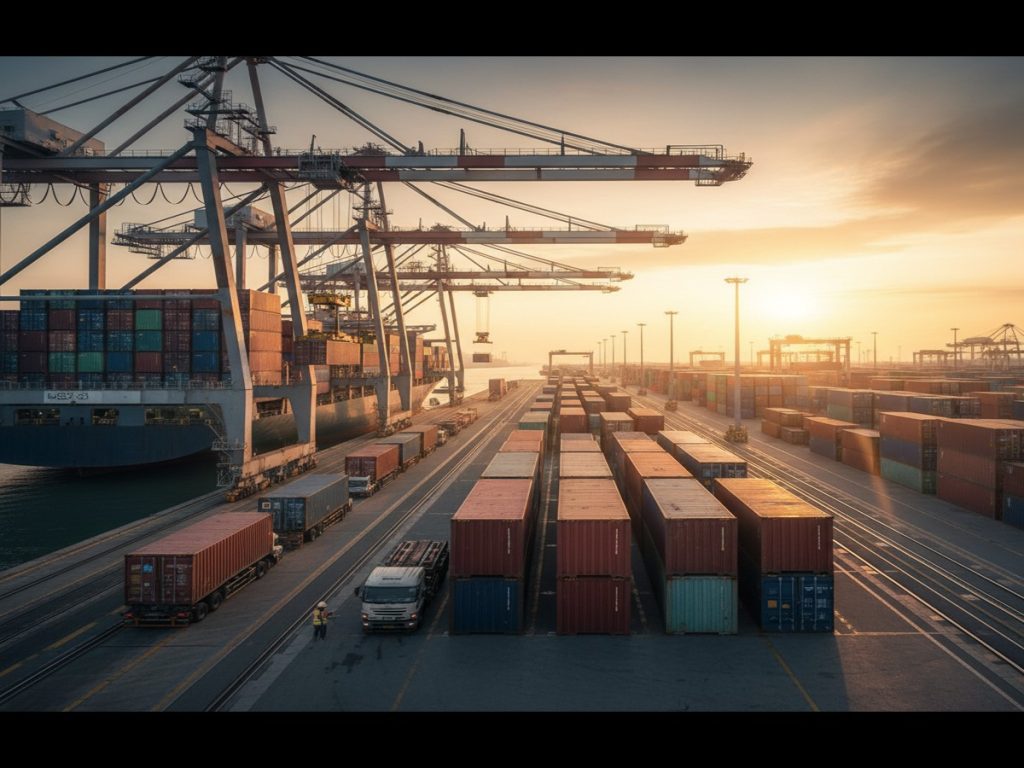
Iraq Major Trade Routes – Complete Guide 2025 | Direct…
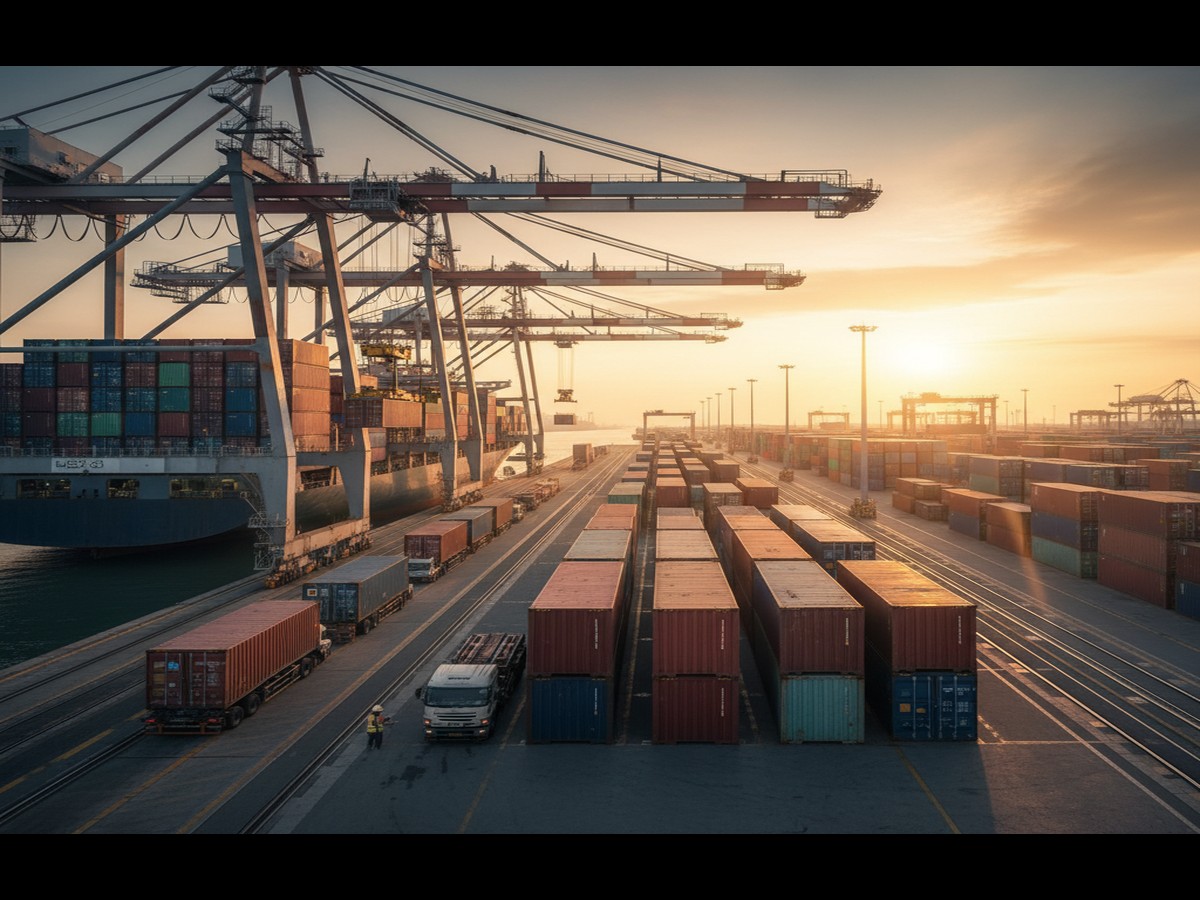
Discover how iraq major trade routes can transform your logistics operations with this guide provides a pragmatic, data-driven analysis of iraq’s evolving trade landscape, offering actionable insights for logistics professionals and businesses seeking to optimize operations and capitalize on emerging opportunities in 2024. In an era defined by geopolitical shifts, technological advancements, and dynamic market demands, understanding the intricate network of trade arteries that traverse Iraq is no longer merely advantageous—it is imperative for maintaining **supply chain resilience**, which refers to the capacity of a supply chain to prepare for, adapt to, and recover from disruptions, ensuring continuity of operations and minimizing economic impact. Iraq, historically a crossroads of civilizations and commerce, is re-emerging as a pivotal player in regional and global trade, strategically positioned at the nexus of Asia, Europe, and Africa. Its evolving infrastructure, coupled with ambitious development projects, is fundamentally reshaping established corridors and forging new ones, presenting both complex challenges and unparalleled opportunities for those involved in international trade and freight management. This article aims to demystify the complexities of Iraq’s trade ecosystem, providing a holistic perspective on its strategic geographic position and its profound significance for global commerce, particularly for those looking to enhance operational efficiency and market reach.
This comprehensive guide explores iraq major trade routes through multiple perspectives, offering a deep dive into the arteries that sustain its economy and connect it to the wider world. We’ll delve into the current landscape, meticulously examining the major land, sea, and air corridors that facilitate the movement of goods. Understanding Iraq’s strategic geographic position is paramount, as its location makes it a crucial transit point for goods moving between the Arabian Gulf, the Levant, and Turkey. Our analysis will cover key land trade routes, including vital road and rail networks that crisscross the nation, connecting major cities and border crossings to facilitate efficient ground transport. We will also explore Iraq’s maritime gateways, specifically its major ports like Umm Qasr, which serve as critical conduits for international commerce and are central to **intermodal transportation**, the coordinated movement of goods using multiple modes of transport (e.g., ship, rail, truck) under a single contract, enhancing efficiency and reducing handling. Furthermore, the guide will shed light on air cargo hubs, essential for connecting Iraq to global markets for time-sensitive goods, and examine how the Kurdistan Region specifically leverages its own routes and infrastructure to connect to international trade. The efficiency of these routes is often bolstered by **logistics hubs**, centralized facilities that integrate storage, sorting, and distribution operations, acting as critical nodes in the supply chain to optimize cargo flow and reduce transit times. By providing a detailed overview of Iraq’s import/export industry, key commodities, and trading partners, this guide will equip logistics professionals with the knowledge needed to navigate this dynamic environment.
Beyond the physical infrastructure, this guide will provide actionable insights into market trends for logistics in Erbil and beyond, addressing both the challenges and opportunities inherent in this evolving landscape. Navigating regulatory frameworks, understanding complex customs procedures, and addressing security considerations are crucial for successful operations. We define **customs clearance** as the process of preparing and submitting documentation to customs authorities to facilitate the entry or exit of goods across international borders, ensuring compliance with trade regulations and payment of duties. The article will also highlight emerging trade opportunities, particularly within the Kurdistan Region and the wider Iraq, where significant investment is being directed towards infrastructure development. Projects such as the ambitious “Development Road” initiative, which aims to create a new economic corridor linking the Gulf to Europe via Iraq, stand to fundamentally alter regional logistics paradigms and elevate the importance of iraq major trade routes on the global stage. This transformative project, alongside the establishment of **Free Trade Zones (FTZs)**—designated areas where goods can be imported, manufactured, and re-exported without incurring customs duties, thereby encouraging trade and investment—underscores Iraq’s commitment to becoming a central player in international trade. Whether you’re a logistics professional seeking to optimize your supply chain, a business owner looking to expand into new markets, or an investor eyeing strategic infrastructure, you’ll gain invaluable, data-driven insights to enhance your operations and capitalize on Iraq’s strategic resurgence. This comprehensive analysis serves as your essential roadmap to understanding and mastering logistics in Iraq’s dynamic trade environment, preparing you for the opportunities and challenges that lie ahead.
Introduction: Why Iraq's Trade Routes Matter in 2024
Reviving Ancient Crossroads: Iraq’s Historical Role in Global Trade Re-emerges
Iraq’s strategic location, once a cornerstone of ancient trade networks, is re-emerging as a pivotal hub for global commerce in 2024. Historically, iraq major trade routes facilitated critical connections between East and West. Today, the nation is actively repositioning itself from a pure oil-export corridor to a multi-modal Eurasia transit hub. This ambitious shift is anchored by the US$17 billion Development Road project, designed to serve as a vital land–sea bridge linking the Gulf and Europe [SupplyChainDigital].
At the heart of this transformation is the Grand Faw Port, a deep-sea gateway poised to revolutionize regional logistics. This port is engineered to handle an impressive capacity of up to 99 million tons of cargo per year and approximately 7.5 million TEU/containers [SupplyChainDigital]. Therefore, its core components are strategically targeted for completion between 2025 and 2028, according to [Shafaq/Iraq Transport Ministry]. Furthermore, this massive infrastructure project underscores Iraq’s commitment to reclaiming its historical prominence in international trade, driving significant market trends for logistics in Erbil and beyond.
Geopolitical Pivots: How Iraq’s Routes Influence Regional Stability and Economy
The revitalized Iraq major trade routes are not merely economic endeavors; they are significant geopolitical pivots influencing regional stability and economic integration. The Development Road corridor, spanning about 1,200 km (740 miles), will directly connect Grand Faw to Turkey’s extensive network. This provides shippers with a competitive 10-day Europe–Gulf trucking option, a substantial improvement over the 14–26 days typically required by sea via Suez or around Africa [SupplyChainDigital]. Additionally, this efficiency is further enhanced by trade facilitation initiatives.
A crucial development is the full rollout of the TIR system for international customs transit, which became fully operational in Iraq on 1 April 2025 [IraqNews/IRU]. This system, coupled with digital border processing, has dramatically cut border wait times by up to 92% during pilot and early operational runs [DailySabah]. Consequently, cross-border trucking via Iraq major trade routes is now highly competitive with sea freight. For instance, Turkey–Kuwait trips via Iraq have been completed in approximately 7 days, with Europe–Gulf journeys in just 10 days by truck [DailySabah]. These advancements are particularly beneficial for how Kurdistan connects to international trade, bolstering the Erbil–Duhok–Mosul axes crucial for trade flows to Turkey and the EU.
Future Forward: Driving New Economic Opportunities and Connectivity in 2024
Looking ahead, the future of Iraq major trade routes promises unprecedented economic opportunities and enhanced connectivity. The comprehensive integration of the Development Road and Grand Faw Port positions Iraq as a central transit gateway between the EU and the Middle East [IraqNews/IRU]. Therefore, these developments are expected to significantly boost the flow of goods and people across the region. According to World Bank-linked projections for the upgraded Iraq corridors, by 2037, an estimated 6.3 million tonnes of freight and 2.85 million passengers will be transported annually [Iraq–Europe Development Road].
Furthermore, these projections indicate that about 1.1 million tonnes of imports and exports will be carried along these routes each year [Iraq–Europe Development Road]. The ongoing investment and strategic initiatives are creating a dynamic environment for logistics providers like Direct Drive Logistics. We are well-positioned to leverage these evolving market trends for logistics in Erbil, Basra, and across the entire nation, offering unparalleled service in a region poised for substantial growth and connectivity.
The Current Landscape: Major Land, Sea, and Air Corridors
Iraq’s Vital Land Routes: Connecting Regional Markets via Road and Rail Networks
The landscape of Iraq’s major trade routes is undergoing a transformative shift, moving from an oil-centric export model to a multi-modal Eurasian transit hub. Central to this evolution is the ambitious US$17 billion Development Road, a land-sea bridge designed to connect the Gulf to Europe. This critical corridor, stretching approximately 1,200 km (740 miles) from Grand Faw Port through Basra, Baghdad, and Mosul to the Turkish border, is reshaping regional logistics [SupplyChainDigital]. Therefore, understanding these new arteries is crucial for businesses to unlock Iraq’s trade potential.
Additionally, trade facilitation measures are significantly boosting road-based logistics, particularly for Iraq’s major trade routes. The full implementation of the TIR system, an international customs transit procedure, became operational in Iraq on 1 April 2025, marking a new era for global trade and logistics [IraqNews/IRU]. This system, coupled with digital border processing, has dramatically cut border wait times by up to 92%, making cross-border trucking highly competitive with sea freight [SupplyChainDigital].
Furthermore, these enhancements directly benefit key northern axes, including Erbil, Duhok, and Mosul, by strengthening their connections to Turkey and the Gulf. Early operational runs demonstrated that trucking from Turkey to Kuwait via Iraq could take approximately 7 days, and Europe-Gulf trips were reduced to just 10 days by truck [DailySabah].
Basra’s Strategic Seaport Access: Gateway to the Persian Gulf and Global Shipping Lanes
Basra is rapidly solidifying its role as a strategic gateway through the development of the Grand Faw Port, a cornerstone of the new Iraq major trade routes. This deep-sea port is engineered to handle an impressive capacity of up to 99 million tons of cargo per year and approximately 7.5 million TEU (twenty-foot equivalent units) of containers [SupplyChainDigital]. The core components of Grand Faw are targeted for completion between 2025 and 2028, promising a significant boost to Iraq’s maritime capabilities [Shafaq/Iraq Transport Ministry].
Consequently, the integration of Grand Faw with the Development Road offers shippers a compelling 10-day Europe–Gulf trucking option, a substantial improvement over the 14–26 days typically required for sea freight via Suez or around Africa [SupplyChainDigital]. Projections linked to the World Bank anticipate that by 2037, these upgraded Iraq trade routes will facilitate 6.3 million tonnes of freight and 2.85 million passengers annually, alongside approximately 1.1 million tonnes of imports and exports [Iraq–Europe Development Road]. This expansion underscores the transformative impact on Iraq’s major trade routes.
International Air Connectivity: Expanding Iraq’s Global Reach
While land and sea routes are undergoing significant development, international air connectivity remains a crucial component of Iraq’s overall logistics infrastructure. The country’s airports, including Erbil International Airport, serve as vital hubs for connecting Iraq to global markets for time-sensitive cargo and passenger traffic. Therefore, they complement the evolving land and sea networks, reinforcing Iraq’s position as a burgeoning transit gateway within the Middle East and beyond. The strategic expansion of Iraq’
Key Trade Hubs: Ports, Border Crossings, and Logistics Centers
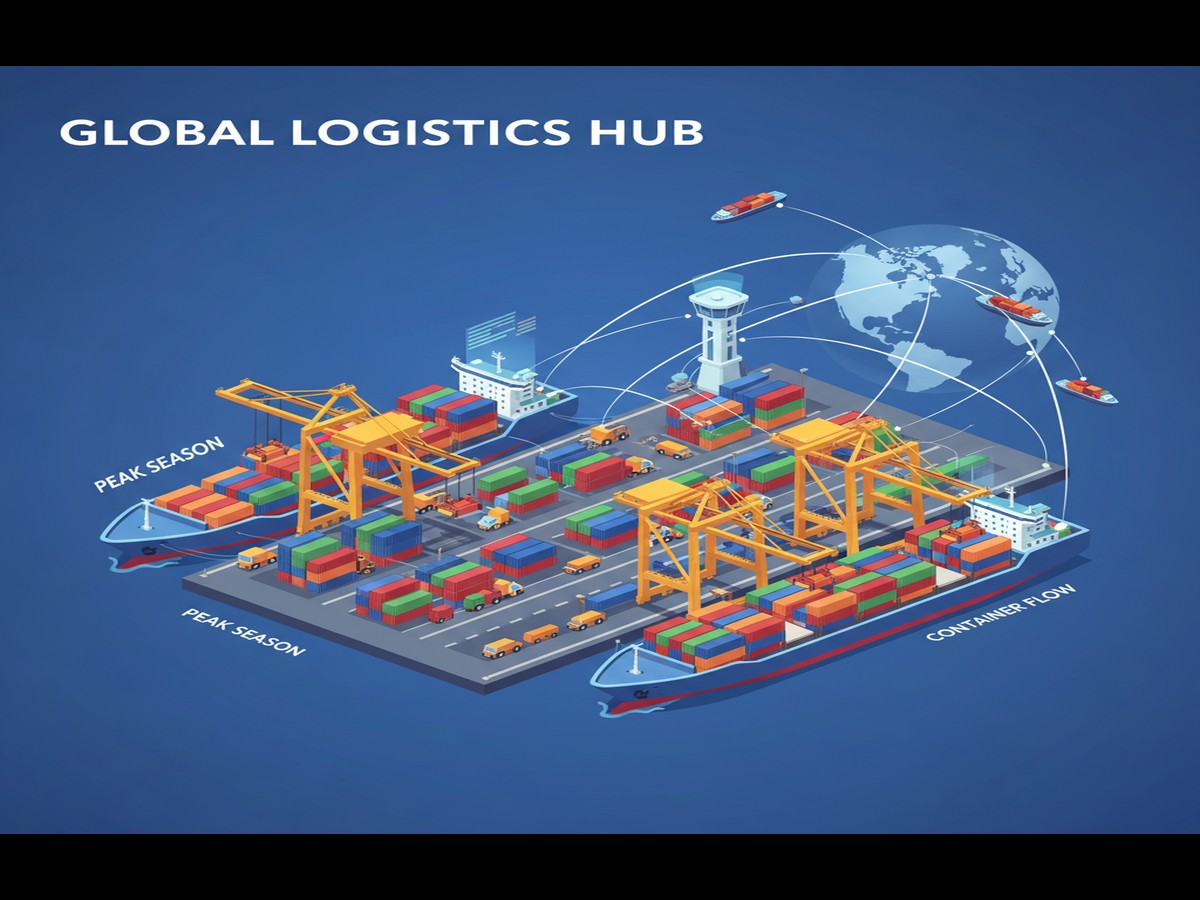
Key Aspects of Iraq’s Emerging Trade Hubs
Iraq’s strategic repositioning is fundamentally reshaping global logistics, transforming its role in the global supply chain. The nation’s ambition to evolve from an oil-dependent exporter to a vital land–sea bridge between the Gulf and Europe underpins the future of iraq major trade routes. At the heart of this transformation is the ambitious US$17 billion Development Road project, an Iraq–Europe corridor anchored by the Grand Faw Port [SupplyChainDigital]. This deep-sea gateway is designed to handle an impressive 99 million tons of cargo per year and approximately 7.5 million TEU/containers, with its core components targeted for completion between 2025 and 2028 [Shafaq/Iraq Transport Ministry].
Additionally, the Development Road corridor, spanning about 1,200 km (740 miles), will connect Grand Faw directly to Turkey’s extensive network. This infrastructure promises shippers a rapid 10-day Europe–Gulf trucking option, a significant improvement over the 14–26 days typically required by sea via Suez or around Africa [SupplyChainDigital]. Projections linked to the World Bank estimate that by 2037, these upgraded iraq major trade routes will facilitate 6.3 million tonnes of freight and 2.85 million passengers annually, alongside approximately 1.1 million tonnes of imports and exports [Iraq–Europe Development Road].
Best Practices for Optimizing Iraq’s Trade Flow
The full rollout of the TIR system (international customs transit) and the implementation of digital borders are revolutionizing road-based logistics across iraq major trade routes. This pivotal development makes cross-border trucking through Iraq, including for iran iraq transportation, highly competitive with traditional sea freight, particularly benefiting the critical Erbil, Duhok, and Mosul corridors connecting to Turkey and the Gulf. For instance, pilot runs have demonstrated that trips from Turkey to Kuwait via Iraq can now be completed in roughly 7 days, while Europe–Gulf journeys take just 10 days by truck [SupplyChainDigital].
Moreover, border wait times have been dramatically reduced by up to 92% through digital processing [DailySabah]. The TIR system became fully operational in Iraq on 1 April 2025, a milestone marking “a new age of global trade and logistics” [IraqNews/IRU]. Therefore, Iraq is firmly establishing itself as a key transit gateway between the EU and the Middle East. These advancements directly enhance north–south trucking via crucial points like Ibrahim Khalil/Habur, Fishkhabour, and the Erbil–Duhok–Mosul axes, which are essential for how Kurdistan connects to international trade and overall market trends for logistics in Erbil.
Common Challenges in Developing Key Trade Hubs
While the outlook for iraq major trade routes is overwhelmingly positive, the full realization of its potential involves overcoming inherent challenges. The sheer scale of projects like the US$17 billion Development Road and Grand Faw Port requires sustained investment and meticulous coordination to meet the 2025–2028 completion targets for core components. Therefore, ensuring project timelines are met and infrastructure is maintained to international standards remains a continuous effort.
Additionally, despite significant improvements in trade facilitation, the ongoing optimization of digital borders and customs procedures is crucial. Maintaining a competitive edge for the 10-day Europe–Gulf trucking option necessitates constant vigilance against potential bottlenecks that could arise from increased traffic. Therefore, continuous upgrades and effective management of key border crossings like Ibrahim Khalil/Habur are vital to streamline the flow of goods and reinforce Iraq’s position as a robust multi-modal Eurasia transit hub. These efforts will secure the future efficiency of iraq major trade routes.
Need Reliable Delivery Services?
Get a free quote from Direct Drive Logistic today. Fast, secure, and professional logistics solutions tailored to your needs.
Iraq Major Trade Routes Emerging Infrastructure & Future Projects: The Development Road and Beyond
Key Aspects of Emerging Infrastructure & Future Projects: The Development Road
The landscape of Iraq major trade routes is undergoing a transformative shift, moving beyond its traditional role as an oil-export corridor. Iraq is now repositioning itself as a multi-modal Eurasia transit hub, crucially linking the Gulf to Europe. This ambitious vision is anchored by the US$17 billion Development Road project, an extensive Iraq–Europe corridor.
This monumental initiative centers on the Grand Faw Port, designed to be a deep-sea gateway capable of handling up to 99 million tons of cargo per year and approximately 7.5 million TEU/containers. Core components of this port are targeted for completion between 2025 and 2028, according to [SupplyChainDigital]. Additionally, the Development Road corridor, stretching about 1,200 km (740 miles), will provide a vital road and rail link from Grand Faw through Basra, Baghdad, and Mosul, directly connecting to Turkey’s network.
This new infrastructure promises significant logistical advantages. For example, shippers will benefit from a 10-day Europe–Gulf trucking option, a substantial improvement over the 14–26 days typically required by sea via Suez or around Africa [SupplyChainDigital]. Furthermore, World Bank-linked projections for these upgraded Iraq major trade routes estimate that by 2037, the corridors will handle 6.3 million tonnes of freight and 2.85 million passengers annually, with about 1.1 million tonnes of imports/exports carried [Iraq–Europe Development Road].
Best Practices for Navigating Iraq’s Evolving Trade Corridors
This digital border processing significantly reduces clearance times, making cross-border trucking via Iraq highly competitive with sea freight. The TIR system became fully operational in Iraq on 1 April 2025, marking a “new age of global trade and logistics” [IraqNews/IRU].
Therefore, logistics providers must leverage these advancements. Pilot runs have already demonstrated impressive efficiency, with Turkey–Kuwait trips via Iraq completed in approximately 7 days, and Europe–Gulf journeys in 10 days by truck [DailySabah]. Importantly, border wait times have been cut by up to 92% through digital processing [SupplyChainDigital]. These developments directly enhance north–south trucking via key checkpoints like Ibrahim Khalil/Habur and Fishkhabour, strengthening how Kurdistan connects to international trade through the Erbil–Duhok–Mosul axes.
To optimize operations, businesses should prioritize partners with expertise in Iraq’s evolving customs procedures and digital platforms. This proactive approach ensures seamless transit across these crucial Iraq major trade routes, capitalizing on the reduced transit times and improved efficiency offered by the new infrastructure and trade facilitation measures, including options for fast shipping.
Common Challenges in Optimizing Iraq’s New Logistics Landscape
While the Development Road and TIR system present immense opportunities for Iraq major trade routes, navigating this evolving landscape comes with its own set of challenges. The sheer scale of the US$17 billion Development Road project, including Grand Faw Port’s 2025–2028 completion timeline, necessitates careful planning and execution.
Navigating Challenges: Security, Bureaucracy, and Infrastructure Gaps for Iraq Major Trade Routes
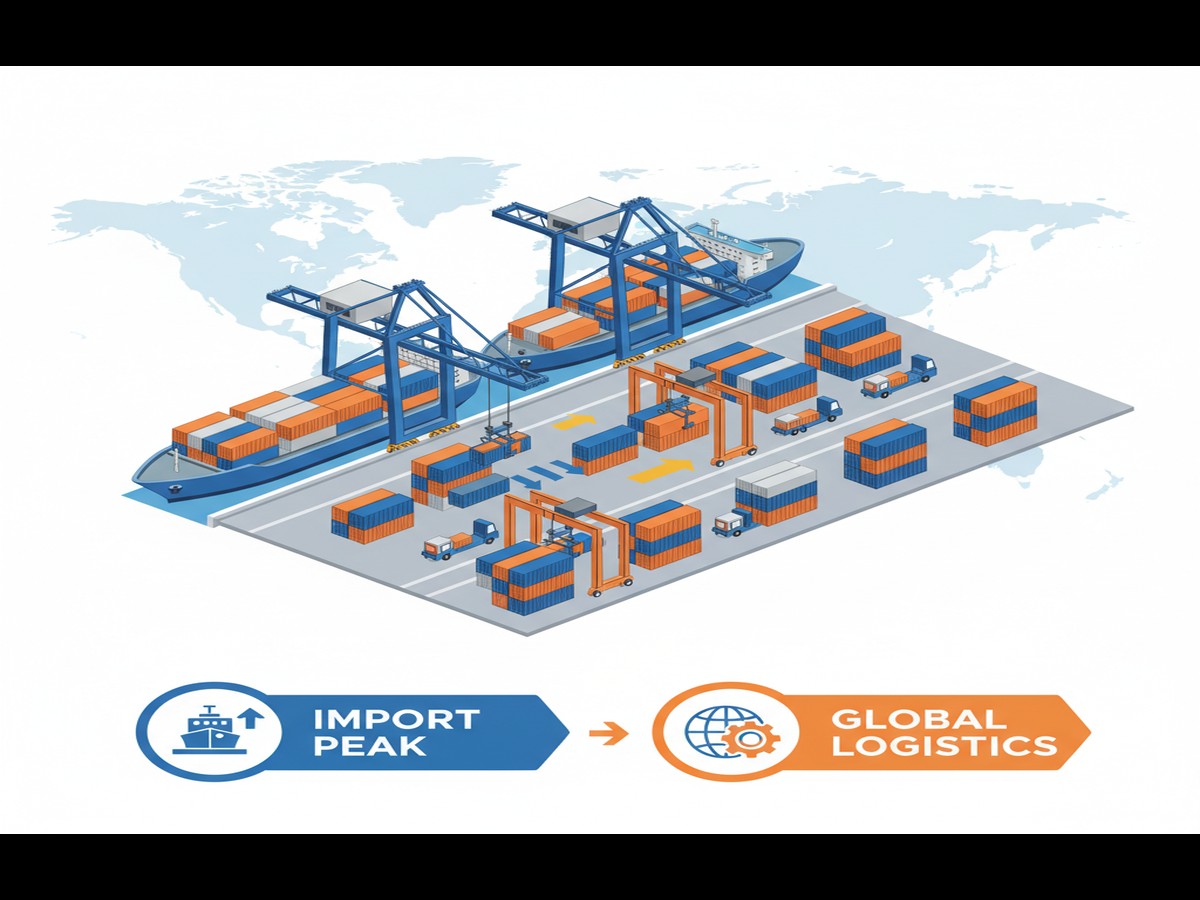
Mitigating Persistent Security Threats and Ensuring Safe Passage Along Iraqi Trade Routes
Navigating the complex landscape of **Iraq major trade routes** historically presented significant security challenges. However, the nation’s strategic pivot towards becoming a multi-modal Eurasia transit hub is bringing about substantial changes. The ambitious US$17 billion Development Road project, designed as a land–sea bridge between the Gulf and Europe, aims to establish more secure and efficient corridors [SupplyChainDigital]. This massive undertaking, anchored by the Grand Faw Port, will feature a 1,200 km (740 miles) road and rail network connecting Basra, Baghdad, and Mosul to the Turkish border [SupplyChainDigital].
The Development Road’s core components are targeted for completion between 2025 and 2028 [SupplyChainDigital]. This infrastructure upgrade is crucial for enhancing the safety and reliability of **Iraq major trade routes**, particularly those vital for how Kurdistan connects to international trade. By 2037, World Bank-linked projections estimate these upgraded corridors will handle 6.3 million tonnes of freight and 2.85 million passengers annually, alongside approximately 1.1 million tonnes of imports and exports [Iraq–Europe Development Road]. Additionally, the deep-sea Grand Faw Port is designed to manage up to 99 million tons of cargo per year and around 7.5 million TEU/containers [SupplyChainDigital]. This monumental investment underscores a commitment to creating safer, more predictable transit.
Streamlining Customs Procedures and Overcoming Bureaucracy
Bureaucracy and complex Iraq shipping regulations have long been formidable obstacles for logistics operations utilizing **Iraq major trade routes**. Nevertheless, recent advancements in trade facilitation are dramatically improving efficiency. The full rollout of the TIR system (international customs transit) is a game-changer, becoming fully operational in Iraq on 1 April 2025 [IraqNews/IRU]. This system, combined with digital border processing, has sharply reduced clearance times.
Pilot runs demonstrated that border wait times have been cut by up to 92% through digital processing [DailySabah]. Consequently, cross-border trucking via **Iraq major trade routes** is now highly competitive with sea freight options. For instance, trips from Turkey to Kuwait via Iraq can now take approximately 7 days, and Europe–Gulf trips are achievable in just 10 days by truck [SupplyChainDigital]. This represents a significant improvement over the 14–26 days typically required by sea via Suez or around Africa [SupplyChainDigital]. Therefore, these streamlined processes are profoundly impacting market trends for logistics in Erbil and enhancing how Kurdistan connects to international trade through key axes like Ibrahim Khalil/Habur and Fishkhabour. Moreover, these developments bolster the appeal of **East-West trade routes** across the region Turkey and East-West trade.
Strategic Considerations for Businesses: Leveraging Iraq's Trade Potential
Identifying Key Sectors and Emerging Opportunities Along Iraq’s Trade Corridors
Iraq’s economic landscape is undergoing a significant transformation, moving beyond its traditional role as an oil-export corridor. Businesses must recognize the evolving nature of iraq major trade routes, which are now poised to become a vital land–sea bridge between the Gulf and Europe. The ambitious US$17 billion Development Road project, anchored by the Grand Faw Port, is central to this shift. This deep-sea gateway is designed to handle up to 99 million tons of cargo annually and approximately 7.5 million TEU/containers, with core components targeted for completion between 2025 and 2028 [SupplyChainDigital, ArabCenterDC, Shafaq/Iraq Transport Ministry].
Therefore, new opportunities are emerging in logistics, infrastructure development, and diversified trade. The 1,200 km (740 miles) Development Road corridor will connect Grand Faw directly to Turkey’s network, offering shippers a competitive 10-day Europe–Gulf trucking option, significantly faster than the 14–26 days via sea through Suez or around Africa [SupplyChainDigital, Iraq–Europe Development Road]. Businesses should focus on sectors that leverage these enhanced transit capabilities, particularly in retail, manufacturing, and perishables, where speed to market is critical along these revitalized iraq major trade routes.
Navigating Regulatory Frameworks and Mitigating Operational Risks in Iraqi Markets
Understanding and adapting to the Iraq shipping regulations is paramount for success in Iraq. The full rollout of the TIR system on 1 April 2025 marks a new era for cross-border trucking, dramatically improving efficiency and reducing border wait times by up to 92% [IraqNews/IRU, DailySabah]. This development makes road-based logistics via iraq major trade routes, especially from Erbil, Duhok, and Mosul corridors to Turkey and the Gulf, highly competitive with traditional sea freight. For instance, pilot runs demonstrated Turkey–Kuwait routes completed in approximately 7 days, and Europe–Gulf trips in just 10 days by truck [SupplyChainDigital, DailySabah].
Therefore, businesses should prioritize compliance with international transit agreements and utilize digital customs processing to mitigate operational risks. Additionally, focusing on the Kurdistan region’s established connections to international trade via routes like Ibrahim Khalil/Habur and Fishkhabour offers a stable entry point. These enhanced market trends for logistics in Erbil underscore the importance of robust risk assessment and adherence to evolving trade facilitation measures.
Building Local Partnerships and Sustainable Supply Chains for Long-Term Success
Establishing strong local partnerships is crucial for navigating the complexities of Iraq’s markets and leveraging its strategic position. Projections for the upgraded iraq major trade routes estimate significant growth by 2037, with 6.3 million tonnes of freight and 2.85 million passengers annually, including about 1.1 million tonnes of imports/exports [Iraq–Europe Development Road]. Therefore, businesses should seek collaborations with established local logistics providers and distributors, particularly those familiar with the regional nuances and customs. This approach helps in building resilient and sustainable supply chains.
Additionally, investing in infrastructure and technology that aligns with the Development Road and Grand Faw Port’s capabilities will secure long-term success. Understanding how Kurdistan connects to international trade, particularly through the Erbil–Duhok–Mosul axes, is vital for optimizing north–south trucking flows. Sustainable supply chains will depend on integrating these new iraq major trade routes into broader logistical strategies, ensuring efficient and reliable movement of goods across the region and beyond.
Frequently Asked Questions
▼ What are the primary **Iraq major trade routes** for international cargo?
The primary **Iraq major trade routes** involve sea access via Umm Qasr and Khor Al Zubair ports, land borders with Turkey (Ibrahim Khalil), Iran (Shalamcheh), Kuwait (Safwan), and Jordan (Trebil). Air cargo predominantly uses Baghdad, Basra, and Erbil International Airports. Direct Drive Logistics optimizes routes for efficiency.
▼ How do goods typically enter Iraq via sea, and what ports are crucial?
Goods primarily enter Iraq via the Arabian Gulf through Umm Qasr Port and Khor Al Zubair Port in Basra. Umm Qasr is Iraq's largest commercial port, handling most container and bulk cargo. Efficient customs clearance and onward trucking from these crucial gateways are vital for timely distribution across Iraq and Kurdistan.
▼ Why choose land routes through Turkey or Jordan for cargo to Iraq?
Land routes, particularly via Turkey (Ibrahim Khalil border crossing into Kurdistan) and Jordan (Trebil border), are preferred for their direct road access and established infrastructure for overland freight. They offer crucial alternatives, especially for urgent shipments or specific regions. Direct Drive Logistics has extensive experience on these routes.
▼ What is the significance of the Ibrahim Khalil border crossing for Kurdistan Region logistics?
Ibrahim Khalil is the most vital trade artery for the Kurdistan Region of Iraq (KRI), connecting it directly to Turkey and Europe. It handles significant volumes of goods, making it a critical entry point for imports and a key component of **Iraq major trade routes**. Direct Drive Logistics ensures smooth customs and transit here.
▼ How long does it typically take to transport cargo from Umm Qasr Port to Baghdad or Erbil?
Transporting cargo from Umm Qasr Port to Baghdad typically takes 2-4 days, considering port clearance and road travel. To Erbil, it extends to 4-7 days due to the longer distance and additional internal checkpoints. These timeframes are optimized by experienced logistics providers like Direct Drive Logistics.
▼ What are the main challenges faced when navigating **Iraq major trade routes**?
Key challenges on **Iraq major trade routes** include varying security situations, complex customs procedures, potential for road infrastructure issues, and coordination across multiple checkpoints. Expertise in local regulations and strong on-ground networks are essential to mitigate these.
▼ How much do logistics services cost for shipping goods into Iraq, and what factors influence it?
Logistics costs for shipping into Iraq vary significantly based on cargo type, volume, origin, destination, and chosen route. Factors include freight rates, customs duties, port charges, inland transportation, and security surcharges. A detailed quote from Direct Drive Logistics provides transparency.
▼ What is the role of air freight in **Iraq major trade routes**, and for what types of cargo?
Air freight plays a crucial role for high-value, time-sensitive, or urgent cargo, utilizing Baghdad, Basra, and Erbil International Airports. While more expensive, it offers speed and reduced transit risk. Pharmaceuticals, spare parts, and express documents frequently use these air **Iraq major trade routes**.
▼ Why choose Direct Drive Logistics as your partner for navigating **Iraq major trade routes**?
With 15+ years in Iraq and Kurdistan, Direct Drive Logistics offers unparalleled expertise in navigating **Iraq major trade routes**. Our deep understanding of customs, local regulations, security protocols, and extensive network ensures efficient, reliable, and secure delivery across the region.
▼ What specific customs and documentation requirements are crucial for importing into Iraq?
Importing into Iraq requires a commercial invoice, packing list, certificate of origin, bill of lading/airway bill, and potentially product-specific certifications (e.g., health certificates). Accurate documentation and pre-clearance capabilities are critical for avoiding delays at border points and ports.
▼ What future developments might impact **Iraq major trade routes**?
Significant future developments include the "Development Road" project, aiming to create a rail and road corridor connecting the Grand Faw Port to Turkey and Europe. This ambitious project could revolutionize **Iraq major trade routes**, enhancing efficiency and reducing transit times substantially.
▼ How can businesses ensure cargo security and visibility when using trade routes in Iraq?
Businesses ensure cargo security through reputable logistics partners with robust security protocols, GPS tracking, and experienced drivers. Visibility is maintained via real-time tracking systems and proactive communication, providing peace of mind from origin to final destination within Iraq and Kurdistan.
Conclusion
In conclusion, Iraq's major trade routes are far more than historical pathways; they are dynamic arteries crucial for the nation's economic resurgence and vital for regional and global connectivity. We've highlighted how these strategic corridors, encompassing ancient overland routes and modern maritime gateways, are actively shaping commerce, driving growth, and linking diverse markets across the Middle East and beyond. Their strategic importance cannot be overstated, presenting unparalleled opportunities for businesses aiming to expand their reach and optimize supply chains in a rapidly evolving landscape.
Harnessing the full potential of these critical routes, however, demands more than just insight; it requires a logistics partner with unparalleled expertise and a profound understanding of local and regional complexities. This is precisely where Direct Drive Logistics distinguishes itself. We empower businesses to navigate the intricacies of Iraq's trade infrastructure with absolute confidence, offering tailored, efficient, and reliable solutions that transform logistical challenges into significant competitive advantages. Our comprehensive services ensure your goods move seamlessly and securely, maximizing operational efficiency and reducing costs across these vital networks.
Don't let the complexities of navigating Iraq's major trade routes hinder your business growth. Partner with Direct Drive Logistics to unlock new possibilities, streamline your operations, and ensure your supply chain is robust and responsive in this dynamic market.
Contact Direct Drive Logistics today to discuss your specific logistics needs and embark on a journey towards unparalleled efficiency and growth.
Unlock unparalleled efficiency and security for your cargo across Iraq's
📞 Contact Us for a Consultation
Location
Direct Drive Logistic
MRF Quattro towers, Block A-29-1
Erbil, Kurdistan Region