

Iraq Import Guide 2

Discover how iraq customs regulations import guide 2 can transform your logistics operations with this guide provides an expert, actionable roadmap for businesses, distinguishing and demystifying the complex import requirements and customs clearance procedures for both federal iraq and the autonomous kurdistan region. In an increasingly interconnected yet often unpredictable global economy, the ability to navigate intricate international trade regulations is not merely an advantage—it is a fundamental necessity for sustained growth and operational efficiency. Iraq, with its vast economic potential and strategic geographical location, presents significant opportunities for businesses looking to expand their reach. However, unlocking these opportunities hinges on a precise understanding of its unique customs landscape, which is often characterized by evolving rules, specific documentation demands, and regional distinctions. This comprehensive guide serves as your indispensable compass, designed to cut through the complexity and provide clarity, ensuring your shipments move smoothly and compliantly. We understand that for logistics professionals and business owners, delays, penalties, or outright rejection of goods due to non-compliance can erode profitability and damage supply chain integrity. Therefore, mastering the nuances of Iraq’s import framework is paramount. One crucial aspect of this process is **Customs Clearance**, which is the process of preparing and submitting documentation required to import or export goods into or out of a country. It involves verifying compliance with local laws, paying duties and taxes, and securing release of goods from customs authorities, ensuring smooth movement across borders. This guide aims to empower you with the knowledge to proactively manage your import operations, turning potential hurdles into seamless transitions.
The stakes are high when dealing with international trade, especially in a market as dynamic as Iraq. Understanding iraq customs regulations import guide 2 is essential. Misinterpretations of regulations, incomplete documentation, or a lack of awareness regarding specific regional requirements can lead to significant financial repercussions, including demurrage charges, storage fees, and substantial fines. Beyond the monetary costs, non-compliance can damage a company’s reputation and create lasting logistical nightmares. This is precisely why a detailed, up-to-date resource like iraq customs regulations import guide 2 is not just beneficial, but absolutely critical. It addresses the core challenges faced by importers, from understanding the specific legal frameworks to identifying the correct classifications for goods. For instance, correctly managing a **Bill of Lading (BOL)** is vital; this is a legal document issued by a carrier to a shipper, detailing the type, quantity, and destination of goods being shipped. It serves as a contract of carriage, a receipt for goods, and a document of title, crucial for facilitating international trade and financial transactions. Our guide is meticulously structured to provide clarity on every stage of the import journey, ensuring that whether you are shipping to Baghdad, Basra, or Erbil, you possess the specific knowledge required to succeed. We delve into the distinctions between federal Iraq customs and the regulations enforced by the Kurdistan Regional Government (KRG), a common area of confusion for many international traders. This dual regulatory environment necessitates a granular approach, and our guide provides precisely that, ensuring every detail is accounted for.
This comprehensive guide explores iraq customs regulations import guide 2 through multiple perspectives, offering actionable insights for both seasoned logistics professionals and those new to the Iraqi market. We will begin by unpacking the inherent complexity of Iraq Customs, establishing a foundational understanding of the regulatory landscape, and identifying the key authorities and laws governing imports. A deep dive into essential import requirements, including critical documentation and licensing, will equip you with a comprehensive checklist to prevent common pitfalls. Understanding how to properly classify your goods using the **Harmonized System (HS) Code** is fundamental; this is an internationally standardized system of names and numbers for classifying traded products. Developed and maintained by the World Customs Organization (WCO), these codes are used by customs authorities worldwide to identify products for duty and tax assessment and data collection. We will then walk you through the customs clearance Iraq process with a step-by-step workflow, demystifying the often-intimidating procedures. A significant portion of our focus will be on Iraq import duties, taxes, and fees, ensuring you know exactly what to expect and how to calculate these costs accurately. Special considerations for the Kurdistan Region, highlighting its distinct regulations and procedures, will be addressed to ensure compliance across all Iraqi territories. Furthermore, we will provide a clear overview of prohibited and restricted goods, enabling you to ensure compliance before your shipments even leave their origin.
Beyond the regulatory specifics, this guide also addresses practical strategies for operational excellence. We will explore common pitfalls in Iraq customs regulations and offer actionable advice on how to avoid them, saving you time, money, and stress. The indispensable role of a customs broker in Iraq and Kurdistan will be highlighted, demonstrating how these expert intermediaries can streamline your operations and mitigate risks. Another critical document is the **Certificate of Origin (COO)**, a document declaring the country of manufacture or production of a particular good. It is often required by customs authorities to determine whether goods are eligible for import, subject to specific duties, or qualify for preferential treatment under trade agreements. We will also examine how leveraging technology and best practices can lead to more efficient import operations, from digital documentation to advanced tracking systems. Finally, we’ll provide resources for staying ahead of regulatory changes and ensuring ongoing compliance, recognizing that the landscape is ever-evolving. This guide is more than just a list of rules; it’s a strategic tool designed to help you master Iraq’s import journey for business success. By integrating comprehensive knowledge with practical advice, it empowers you to approach the Iraqi market with confidence and precision. This detailed exploration of iraq customs regulations import guide 2 will serve as your definitive resource, preparing you to navigate every facet of importing goods into Iraq and the Kurdistan Region successfully.
Understanding Iraq's Import Landscape: Key Regulations & Challenges
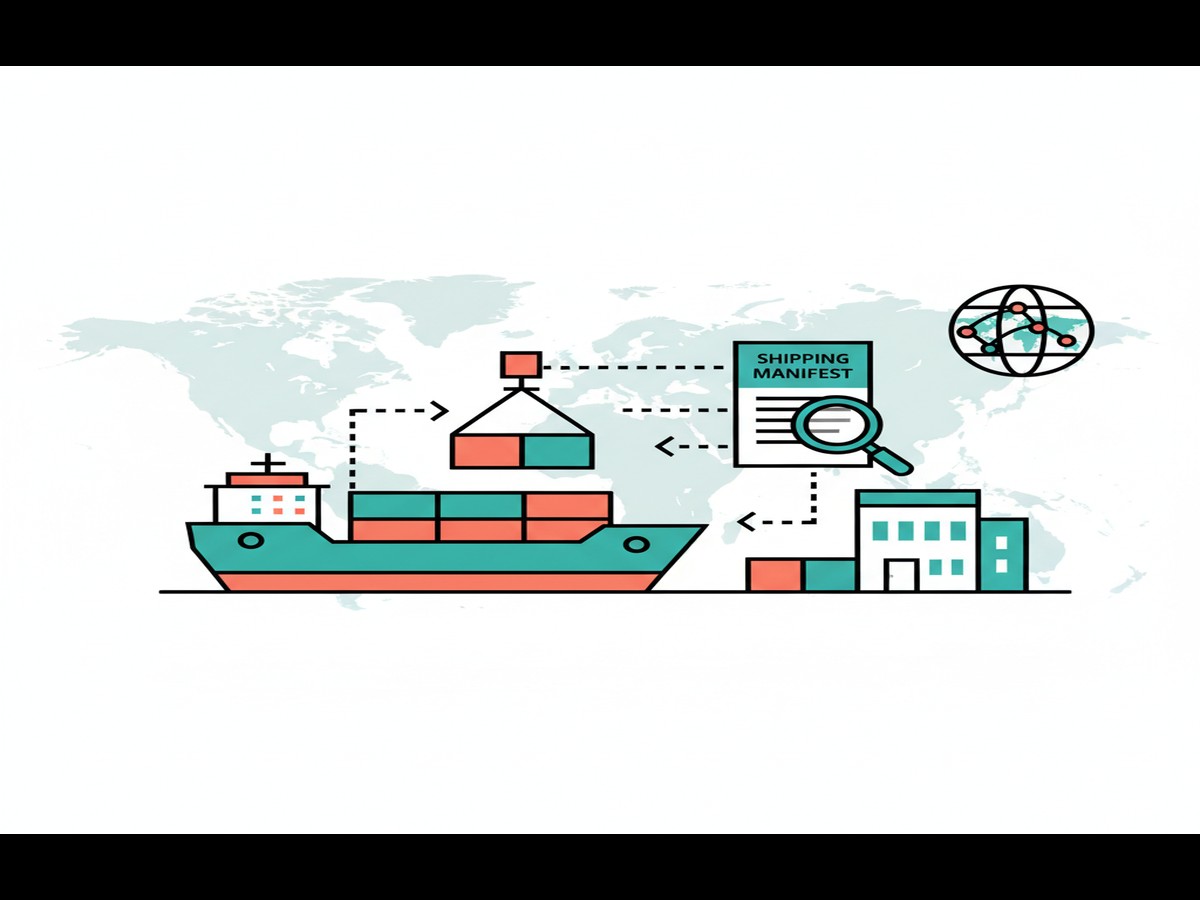
Navigating the complexities of international trade requires a deep understanding of local regulations, and Iraq’s dynamic import landscape is no exception. For businesses considering or currently engaged in trade with the region, a comprehensive Iraq customs import guide is indispensable. This section lays the groundwork, offering an essential overview of the current customs environment and common challenges that importers face when shipping goods into Iraq.
Key Aspects of Iraq’s Import Landscape
Iraq’s strategic location in the Middle East makes it a vital hub for trade, yet its import environment is characterized by an evolving regulatory framework. Importers must contend with specific Iraq import regulations that cover everything from prohibited goods and restricted items to required documentation and quality standards. A crucial aspect is the meticulous preparation of paperwork, including commercial invoices, packing lists, bills of lading/air waybills, and certificates of origin. Obtaining the correct licenses and permits for specific product categories, such as pharmaceuticals, food items, or certain industrial equipment, is also paramount. Understanding these requirements is the first step in ensuring smooth Iraq import documents processing.
Common Challenges in Iraq’s Import Landscape
Despite efforts to streamline trade, importers often encounter several significant hurdles. One prevalent challenge is the bureaucracy inherent in the customs clearance process, which can lead to delays and increased costs. Frequent changes to tariff structures and import policies also demand constant vigilance. For instance, recent reports indicate Iraq is actively approving new customs duties, which can significantly impact landed costs and profit margins. Furthermore, inconsistent application of rules across different ports of entry, coupled with varying inspection procedures, can create unpredictability. Issues related to product valuation for duty assessment and the potential for unexpected fees also contribute to the complexity of **customs clearance Iraq**.
Best Practices for Iraq’s Import Landscape
To mitigate risks and ensure efficient operations, adopting robust best practices is crucial. Firstly, thorough due diligence on all regulatory requirements before initiating any shipment is non-negotiable. This includes staying updated on the latest decrees and amendments to customs laws. Partnering with a reputable, experienced local customs broker or logistics provider is highly recommended. Their expertise in navigating the local nuances, facilitating documentation, and expediting inspections can be invaluable. Clear and consistent communication with all stakeholders—from suppliers to consignees—helps preempt and resolve potential issues quickly. Finally, maintaining meticulous records and ensuring all documentation is accurate and complete can prevent costly delays and penalties, making the process of **shipping to Iraq** significantly smoother. For a broader perspective on the economic context, consulting a comprehensive Iraq business guide can provide additional insights.
Iraq Customs Regulations Import Guide 2 Required Documents for Iraq Imports: A Comprehensive Checklist
Navigating the intricacies of international trade requires meticulous attention to detail, especially when importing goods into a dynamic market like Iraq. This section of our doing business with Iraq guide, “iraq customs regulations import guide 2”, details all mandatory documents needed for successful customs clearance, ensuring importers are fully prepared before shipment. Proper documentation is the cornerstone of efficient Customs Clearance Process in Iraq, preventing costly delays, fines, and potential confiscation of goods.
Core Commercial and Shipping Documents for All Import Shipments
Regardless of the commodity, a standard set of commercial and shipping documents forms the bedrock of any import into Iraq. These documents provide essential information about the goods, their origin, and their journey. Key among them is the Commercial Invoice, which must be highly detailed, listing the seller, buyer, full description of goods, quantity, unit price, total value, currency, terms of sale (Incoterms), and country of origin. Accompanying this is the Packing List, providing an itemized breakdown of the contents of each package, including dimensions and weight, crucial for efficient handling and inspection.
For the physical movement of goods, a Bill of Lading (BOL) for sea freight or an Air Waybill (AWB) for air cargo serves as the contract of carriage and proof of ownership. These documents confirm the goods have been received by the carrier and are en route. The Customs Declaration Form, accurately completed by the importer or their agent, officially declares the goods to Iraqi customs authorities. Finally, an Insurance Certificate is vital if the goods are insured, providing coverage against loss or damage during transit, which is particularly important for all shipping to Iraq. These core documents are non-negotiable for smooth entry.
Product-Specific Certifications and Regulatory Approvals for Specialized Goods
Beyond the standard commercial documents, many goods require additional certifications and regulatory approvals due to their nature or potential impact on health, safety, or the environment. For foodstuffs, live animals, and animal products, Health Certificates issued by the exporting country’s competent authority are mandatory, ensuring compliance with Iraqi sanitary standards. Similarly, plants, seeds, and other agricultural products necessitate Phytosanitary Certificates to prevent the introduction of pests and diseases, aligning with strict import regulations Iraq has in place.
Industrial goods, electronics, and certain consumer products often require a Certificate of Conformity (CoC) issued by an authorized inspection body. This verifies that the products meet Iraqi technical standards and safety requirements, often mandated by the Central Organization for Standardization and Quality Control (COSQC). Furthermore, restricted goods such as pharmaceuticals, chemicals, and certain dual-use items will require specific Import Licenses obtained from the relevant Iraqi ministries before shipment. Failure to secure these product-specific approvals can lead to severe penalties, including rejection at the port of entry.
Financial Instruments and Certificates of Origin for Seamless Customs Clearance
Financial transparency and proof of origin are critical components for customs clearance. A Certificate of Origin (CoO) is often required, particularly for goods originating from countries that have specific trade agreements with Iraq or those subject to preferential tariffs. This document, typically issued by a chamber of commerce in the exporting country, verifies where the goods were manufactured or produced. For many imports into the region, an Arab League Certificate of Origin is specifically requested. Financial instruments, such as a Letter of Credit (L/C), provide a secure payment mechanism, assuring both the importer and exporter of the transaction’s integrity. While not always a customs requirement, documentation related to the payment terms, such as bank drafts or wire transfer confirmations, can be requested to verify the transaction’s value. Moreover, a Proforma Invoice, while preliminary, sets the stage for the commercial invoice and clarifies the initial terms of the sale. Understanding the nuances of Iraq import documents ensures compliance and avoids financial discrepancies at the border.
Prohibited and Restricted Goods: What You Can't (or Can Barely) Import into Iraq

Prohibited and Restricted Goods: What You Can’t (or Can Barely) Import into Iraq
Navigating the complexities of iraq customs regulations import guide 2 requires a thorough understanding of what goods are strictly prohibited or subject to stringent restrictions. Ignoring these rules can lead to severe penalties, including fines, seizure of goods, and even legal action. For any entity engaged in shipping to iraq, being well-informed about these categories is paramount to ensuring smooth customs clearance iraq and avoiding costly delays or rejections.
Key Aspects of Prohibited and Restricted Goods: What You Can’t (or Can Barely) Import into Iraq
Iraq maintains a comprehensive list of items that are either outright banned or require specific permits from relevant government ministries. Prohibited goods typically include narcotics, psychotropic substances, firearms (without explicit government authorization), ammunition, explosives, certain types of satellite communication equipment, pornography, items deemed offensive to public morality or religion, and counterfeit goods. Additionally, some agricultural products, chemicals, and pharmaceuticals are restricted due to health, safety, or security concerns. Dual-use items, which have both civilian and military applications, are also heavily scrutinized. For instance, importing certain chemicals for industrial use might require approval from the Ministry of Industry and Minerals, while medical supplies need clearance from the Ministry of Health. Understanding these nuances is crucial for successful entry into the Iraqi market.
Best Practices for Prohibited and Restricted Goods: What You Can’t (or Can Barely) Import into Iraq
To mitigate risks, importers should adopt a proactive approach. The first best practice is rigorous due diligence: thoroughly research the current import regulations iraq for every item in your consignment before it leaves the origin country. Consulting with local customs brokers or legal experts in Iraq can provide invaluable insights and up-to-date information, as regulations can change. Ensure all necessary licenses, permits, and certifications are acquired well in advance. This often involves liaising with multiple Iraqi ministries and agencies. Meticulous documentation, clearly detailing the nature, quantity, and intended use of all goods, is also essential. Pre-shipment inspections by certified third parties can help verify compliance and prevent issues during customs clearance iraq.
Common Challenges in Prohibited and Restricted Goods: What You Can’t (or Can Barely) Import into Iraq
Despite best efforts, importers frequently encounter challenges when dealing with prohibited and restricted goods in Iraq. One significant hurdle is the dynamic nature of regulations, which can sometimes be subject to sudden changes or varying interpretations across different ports of entry. The bureaucratic process for obtaining special permits can be lengthy and complex, often requiring multiple approvals and extended waiting periods. Misdeclaration, whether intentional or accidental, is a common pitfall that can lead to severe penalties. For example, a seemingly
Need Reliable Delivery Services?
Get a free quote from Direct Drive Logistic today. Fast, secure, and professional logistics solutions tailored to your needs.
Iraq Customs Regulations Import Guide 2 Calculating Customs Duties & Taxes: Iraq's Valuation and Tariff System
Navigating the financial landscape of importing into Iraq requires a clear understanding of how customs duties and taxes are calculated. This section of our **iraq customs regulations import guide 2** delves into Iraq’s valuation methods and tariff system, providing crucial insights for businesses engaged in international trade.
Key Aspects of Calculating Customs Duties & Taxes: Iraq’s Valuation and Tariff System
Iraq primarily adheres to the World Trade Organization (WTO) Customs Valuation Agreement, which emphasizes the Transaction Value Method as the primary basis for valuation. This means duties are typically calculated based on the actual price paid or payable for the goods when sold for export to Iraq, including costs like freight and insurance up to the Iraqi border (CIF value). However, if the transaction value cannot be determined or is deemed unreliable, alternative valuation methods, such as the deductive value method or computed value method, may be applied by Iraqi customs authorities. The tariff system in Iraq is based on the Harmonized System (HS) Code, a globally standardized system for classifying traded products. Each HS code corresponds to a specific duty rate, which can vary significantly depending on the type of commodity. Beyond customs duties, importers must also account for other taxes, including a general sales tax (often around 5-10%, though rates can vary) and potentially a reconstruction tax or other specific levies on certain goods. Understanding these components is fundamental for accurate financial planning.
Best Practices for Calculating Customs Duties & Taxes: Iraq’s Valuation and Tariff System
To ensure smooth and cost-effective imports, several best practices are essential. Firstly, meticulous and accurate HS code classification is paramount. Incorrect classification can lead to overpayment of duties or, worse, penalties and delays during customs clearance Iraq. Secondly, maintaining precise and comprehensive documentation, including commercial invoices, packing lists, certificates of origin, and bills of lading, is critical. These documents must clearly state the value, quantity, and description of goods. Thirdly, engaging with experienced local customs brokers or freight forwarders specializing in **shipping to Iraq** can be invaluable. Their expertise in interpreting complex **import regulations Iraq** and navigating the local customs procedures can prevent costly errors and expedite the clearance process. Finally, it’s advisable to pre-calculate estimated duties and taxes before shipment. This proactive approach helps in budgeting and avoiding unexpected costs, ensuring financial preparedness.
Common Challenges in Calculating Customs Duties & Taxes: Iraq’s Valuation and Tariff System
Despite efforts to streamline the process, importers often encounter several challenges when calculating customs duties and taxes in Iraq. One significant hurdle is the complexity and occasional ambiguity of the HS code system, which can lead to disputes over classification, especially for novel or multi-component products. Another challenge arises from the valuation process itself; while the transaction value is preferred, customs authorities may sometimes question declared values, particularly for goods imported from related parties or for used machinery, leading to subjective interpretations and potential revaluation. Furthermore, the regulatory environment in Iraq can be dynamic, with frequent updates or changes in interpretation of existing rules, making it difficult for importers to stay consistently informed. Inconsistent application of rules across different ports of entry or by different customs officials can also pose difficulties. For instance, a shipment might face different interpretations of valuation or classification depending on the specific customs office, potentially causing delays and increased costs for businesses involved in **shipping to Iraq**. Addressing these challenges often requires persistent communication, robust documentation, and expert local representation.
Iraq Import Process Flow: From Shipment to Customs Clearance

Navigating the import landscape in Iraq requires a meticulous understanding of each stage, from initial preparation to final delivery. Direct Drive Logistic specializes in streamlining this journey, ensuring your cargo moves efficiently through the Iraqi supply chain. This section provides a clear, sequential breakdown of the entire import process, offering an essential part of any comprehensive iraq customs regulations import guide 2.
Pre-Shipment Documentation and Logistics: Ensuring Smooth Iraqi Import Entry
The foundation of a successful import into Iraq is laid long before the cargo leaves its origin. Pre-shipment preparation is paramount, focusing heavily on accurate and complete documentation. Importers must gather essential documents such as the commercial invoice, packing list, bill of lading (or air waybill), certificate of origin, and any required health, quality, or conformity certificates. For certain goods, pre-shipment inspection (PSI) by an approved third-party agency might be mandatory to verify quality and compliance with Iraqi standards. Failing to meticulously prepare these documents can lead to significant delays and penalties upon arrival. Beyond paperwork, strategic logistics planning, including choosing the right shipping method, carrier, and port of entry (e.g., Umm Qasr for sea freight, Baghdad International Airport for air freight), is crucial for efficient shipping to iraq. Understanding the specific requirements for your commodity and ensuring all parties involved – from suppliers to freight forwarders – are aligned with Iraqi import regulations is the first critical step.
Arrival at Iraqi Ports: Navigating Initial Customs Declaration and Manifest Submission
Upon the vessel or aircraft’s arrival at an Iraqi port or airport, the initial phase of customs interaction begins. The carrier or their agent is responsible for submitting the cargo manifest to Iraqi Customs. This manifest details all goods on board, their consignees, and other pertinent shipping information. Concurrently, the importer or their appointed customs broker must prepare and submit the customs declaration (Bayan Istirad). This declaration, supported by the pre-shipment documentation, formally states the goods being imported, their value, classification, and intended use. Accuracy at this stage is vital, as discrepancies between the manifest and declaration can trigger immediate scrutiny. This initial declaration marks the formal entry of goods into Iraqi customs territory, setting the stage for subsequent verification and clearance procedures. Effective communication and swift action during this phase are key to avoiding bottlenecks in the customs clearance iraq process.
Customs Inspection, Duty Assessment, and Final Release of Imported Goods
Following the submission of the customs declaration, Iraqi Customs authorities proceed with the inspection and assessment phase. This typically involves a physical inspection of the cargo to verify its quantity, description, and conformity with the submitted documents and applicable import regulations iraq. Depending on the goods and risk assessment, this inspection can range from a documentary check to a thorough physical examination. Once the inspection is complete and satisfactory, customs officials assess the applicable import duties, taxes (including VAT), and any other charges based on the Harmonized System (HS) code and the declared value of the goods. Payment of these duties and taxes is a prerequisite for release. Upon successful payment and final approval from customs, a release order is issued, allowing the importer to collect their goods from the port or airport. This final release signifies the successful completion of the import process, making the goods available for onward distribution within Iraq.
Selecting a Customs Broker & Freight Forwarder for Iraq Logistics
Selecting a Customs Broker & Freight Forwarder for Iraq Logistics
Navigating the intricacies of international trade, especially within a dynamic region like Iraq, demands more than just understanding the regulations – it requires expert partners on the ground. For businesses importing into Iraq, selecting the right customs broker and international freight forwarder is paramount to ensuring efficient, compliant, and cost-effective logistics. This section offers guidance on how to identify and select trustworthy local customs brokers and international freight forwarders specializing in Iraq, crucial for any entity following this Iraq customs regulations import guide 2.
Key Criteria for Vetting Experienced Customs Brokers and Freight Forwarders for Iraq
When vetting potential partners for shipping to Iraq, look beyond basic service offerings. A reputable customs broker or freight forwarder will possess deep local knowledge and a robust network. Key criteria include a proven track record of successful customs clearance Iraq operations, strong relationships with local customs authorities, and a comprehensive understanding of the latest import regulations Iraq. Verify their licensing, insurance, and compliance certifications. Request references from clients with similar import profiles and inquire about their problem-solving capabilities when unexpected issues arise, such as documentation discrepancies or port delays. Transparency in pricing and communication is also vital; a good partner will provide clear breakdowns of costs and keep you informed every step of the way.
Prioritizing Partners with Proven Expertise in Navigating Iraq’s Complex Customs Regulations
Iraq’s customs environment can be particularly challenging due to evolving regulations, geopolitical factors, and specific requirements for various goods. Prioritize partners who can demonstrate specific expertise in these areas. For instance, do they have experience with the specific commodity you are importing, such as industrial equipment, pharmaceuticals, or consumer goods? Can they provide examples of how they’ve successfully managed complex cases, like obtaining specific permits or handling goods subject to special tariffs? A partner adept at navigating Iraq’s import regulations will not only ensure compliance but also proactively identify potential bottlenecks and offer solutions, preventing costly delays and penalties. Their ability to manage documentation meticulously, including certificates of origin, commercial invoices, and packing lists, is non-negotiable for seamless customs clearance Iraq.
Leveraging Integrated Services for Streamlined Customs Clearance and Efficient Freight Movement
The most effective logistics strategies for Iraq often involve leveraging partners who offer integrated services. This means a single provider can manage both the international freight forwarding and the local customs brokerage. This consolidation streamlines communication, reduces administrative burdens, and minimizes the risk of errors that can occur when multiple parties are involved. An integrated service provider can coordinate all aspects of your shipment, from origin consolidation and international transport (sea, air, or land freight) to port handling, customs clearance Iraq, and final-mile delivery within Iraq. This holistic approach ensures a cohesive supply chain, allowing for greater visibility and control over your cargo’s journey. By combining freight movement with expert knowledge of import regulations Iraq, businesses can achieve unparalleled efficiency and reliability in their operations.
Overcoming Import Challenges: Best Practices & Troubleshooting for Iraq
Overcoming Import Challenges: Best Practices & Troubleshooting for Iraq
Importing goods into Iraq, while offering significant market potential, often presents unique logistical and regulatory hurdles. Navigating these complexities successfully requires a strategic approach, a deep understanding of local nuances, and robust contingency planning. This section of our iraq customs regulations import guide 2 provides practical advice and troubleshooting tips to help you overcome common challenges and ensure efficient operations.
Proactive Compliance: Navigating Documentation and Pre-Shipment Requirements for Smooth Entry
The cornerstone of successful importing into Iraq is meticulous proactive compliance. Before any goods even leave their origin, it’s critical to understand and adhere to all relevant **import regulations Iraq**. This means thoroughly vetting all required documentation, which typically includes commercial invoices, packing lists, certificates of origin, bills of lading, and any necessary pre-import licenses or permits specific to your commodity. A common pitfall is incomplete or inaccurate paperwork, which almost guarantees delays during **customs clearance Iraq**. Best practice dictates a multi-stage review process for all documents, ideally involving both your internal logistics team and your chosen local partner. Additionally, ensuring goods meet Iraqi quality and labeling standards, and undergoing pre-shipment inspections where mandated, can prevent costly rejections or reprocessing at the border. Investing time upfront in verifying every detail can save weeks of delays and significant expenses later.
Resolving Customs Delays: Effective Strategies for Expediting Clearance and Addressing Discrepancies
Despite best efforts, customs delays can still occur when **shipping to Iraq**. When faced with a hold-up, swift and informed action is paramount. The first step is to immediately ascertain the exact reason for the delay. Is it a documentation discrepancy, a physical inspection requirement, a valuation dispute, or an issue with duties and taxes? Having a dedicated point of contact, either within your organization or with your customs broker, who can communicate directly with Iraqi customs officials, is invaluable. Be prepared to provide additional information or corrected documents promptly. For valuation disputes, having robust proof of transaction value and previous import records can be beneficial. In cases of physical inspection, ensure your goods are accessible and correctly categorized. Maintaining clear, comprehensive records of all communications and submissions will aid in tracking progress and resolving issues efficiently. Prompt payment of any assessed duties or penalties is also crucial for expediting release.
Leveraging Local Expertise: Partnering with Experienced Agents and Brokers
Perhaps the most critical strategy for overcoming import challenges in Iraq is leveraging local expertise. Partnering with a reputable, experienced local customs broker in Iraq or freight forwarder is not just an advantage; it’s often a necessity. These local experts possess an intimate understanding of the evolving **import regulations Iraq**, cultural nuances, and the specific operational procedures of various Iraqi ports and border crossings. They can provide invaluable guidance on documentation, tariffs, and potential pitfalls, often anticipating issues before they arise. A strong local partner can act as your eyes and ears on the ground, facilitating communication with customs authorities, expediting **customs clearance Iraq**, and providing real-time updates. Their established relationships and knowledge of the local landscape are instrumental in navigating bureaucracy, resolving discrepancies quickly, and ensuring your goods move through the supply chain as smoothly as possible, aligning with the objectives of this iraq customs regulations import guide 2.
Frequently Asked Questions
▼ What is iraq customs regulations import guide 2?
Iraq Customs Regulations Import Guide 2 refers to specialized logistics services that facilitate the transportation and delivery of goods in the Iraq and Kurdistan region. This encompasses a comprehensive range of supply chain solutions including customs clearance, warehousing, distribution, and last-mile delivery. Our services are designed to meet the unique challenges of operating in this dynamic market, providing businesses with reliable and efficient logistics support.
▼ Why is iraq customs regulations import guide 2 important for businesses?
Understanding iraq customs regulations import guide 2 is crucial for businesses operating in Iraq and Kurdistan because it directly impacts operational efficiency, cost management, and customer satisfaction. Effective logistics solutions help companies navigate complex regulatory requirements, optimize supply chain operations, reduce transit times, and ensure reliable delivery schedules. In a competitive market, having the right logistics partner can mean the difference between success and failure in reaching your business goals.
▼ How to get started with iraq customs regulations import guide 2?
Getting started with iraq customs regulations import guide 2 requires a clear understanding of your specific business needs, shipping volumes, and delivery timelines. First, assess your current logistics challenges and identify areas for improvement. Then, consult with experienced logistics providers who have proven expertise in the Iraq and Kurdistan market. They can help you develop a customized solution that addresses your unique requirements, whether that's air freight, ground transportation, warehousing, or integrated supply chain management.
▼ What are the costs involved in iraq customs regulations import guide 2?
Costs for logistics services in Iraq and Kurdistan vary depending on several factors including shipment size, weight, destination, delivery urgency, and any special handling requirements. Pricing typically includes transportation fees, customs clearance charges, warehousing costs, and insurance. For accurate pricing tailored to your specific needs, contact our logistics team for a detailed quote. We offer competitive rates and transparent pricing with no hidden fees, ensuring you get the best value for your investment.
Conclusion
Navigating the intricate landscape of Iraqi import procedures, as comprehensively outlined in our "Iraq Customs Regulations Import Guide 2," undeniably presents a unique set of challenges. From meticulous documentation requirements to understanding the nuances of tariff codes and compliance protocols, successful importation hinges on precise execution and an up-to-date grasp of the law. This guide has aimed to equip you with essential insights, but theoretical knowledge is only the first step.
At Direct Drive Logistics, we bridge the gap between information and flawless execution. We understand that while resources like our "Iraq Customs Regulations Import Guide 2" are invaluable, the dynamic nature of customs demands real-time expertise and proactive management. Our seasoned professionals specialize in demystifying these complexities, ensuring your shipments adhere to every regulation, clear customs efficiently, and reach their destination without unnecessary delays or unexpected costs. We are dedicated to transforming potential logistical hurdles into smooth, predictable pathways for your business.
Don't let the intricacies of Iraq's customs regulations impede your commercial success. Partner with Direct Drive Logistics and gain the assurance that your imports are handled with unparalleled precision and care. Ready to streamline your
**Simplify your Iraq imports and ensure full compliance with Import
📞 Contact Us for a Consultation
Location
Direct Drive Logistic
MRF Quattro towers, Block A-29-1
Erbil, Kurdistan Region