
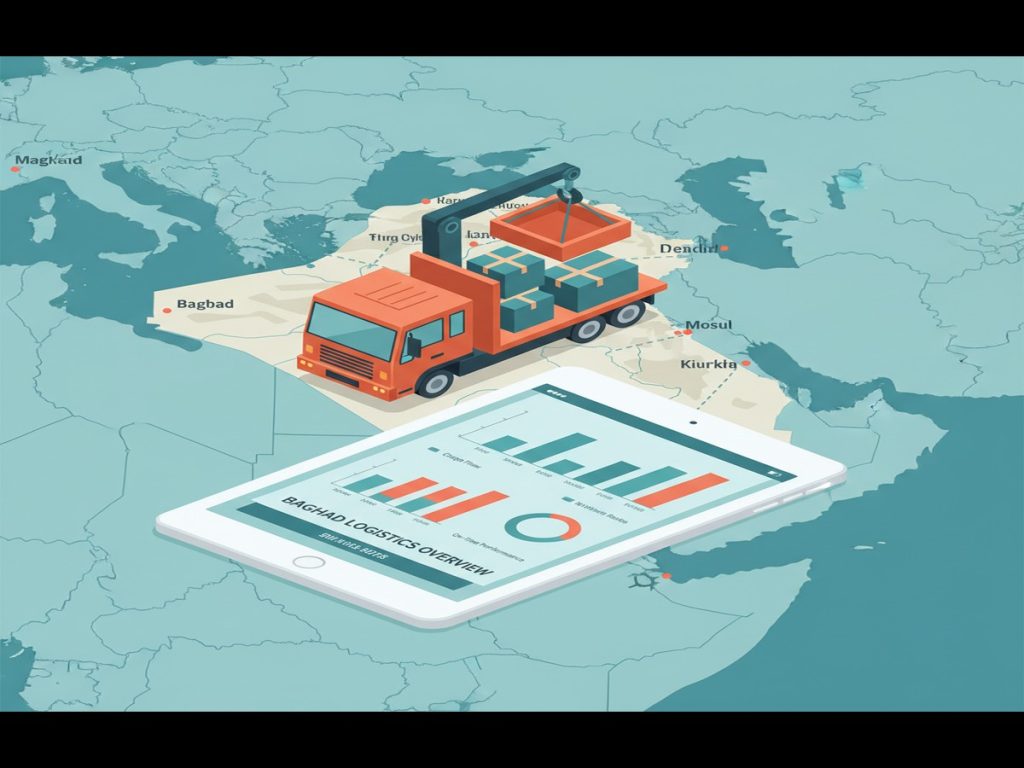
Freight Forwarding Iraq: Expert Logistics Solutions 2025
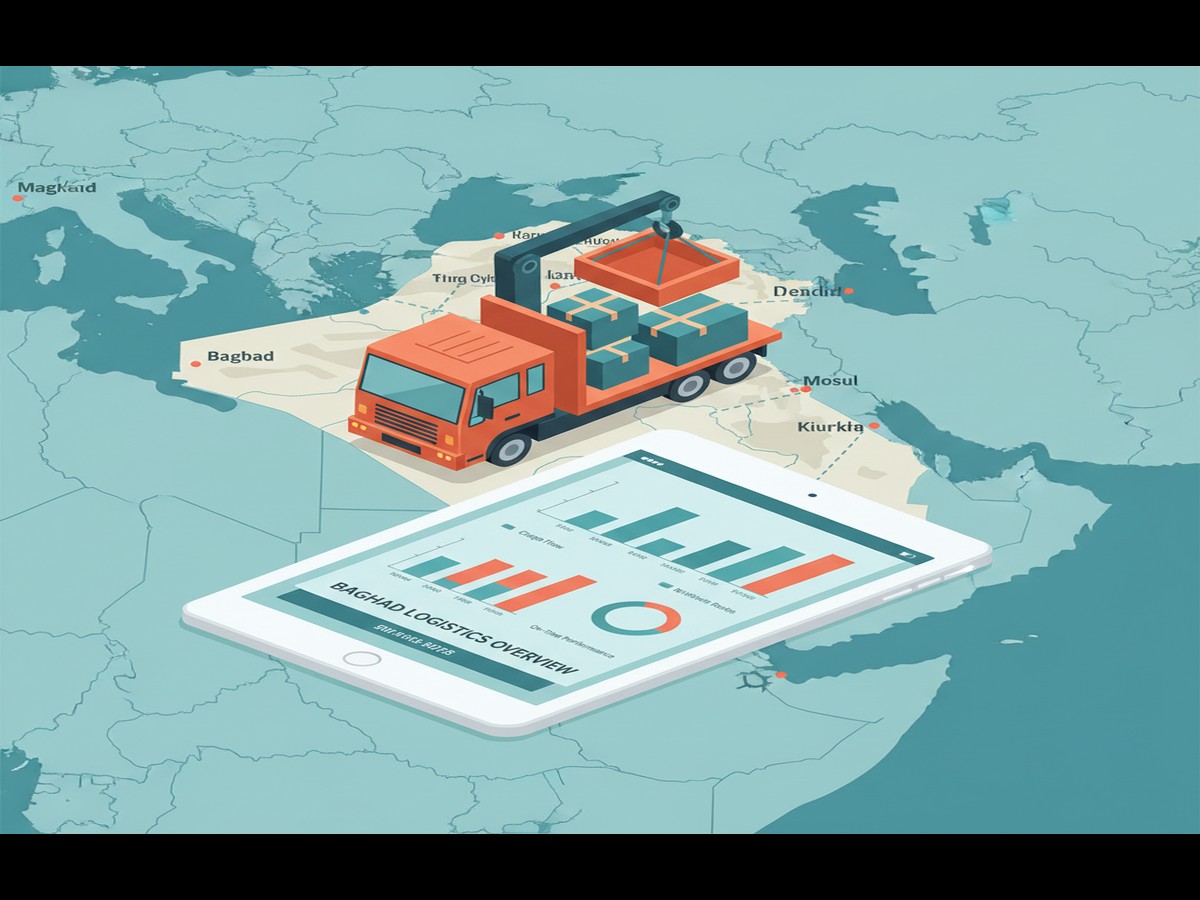
Discover how freight forwarding in Iraq can transform your logistics operations. In today’s interconnected global economy, efficient and reliable supply chains are paramount, and for businesses looking to tap into the immense potential of the Iraqi market, understanding its unique logistical landscape is not just an advantage—it’s a necessity. This article provides a comprehensive, expert-driven guide to successfully navigating the unique complexities of freight forwarding in Iraq, offering actionable strategies for reliable and efficient logistics. Freight forwarding, the process of organizing and managing the shipment of goods from one point to another on behalf of a shipper, often involving multiple carriers and modes of transport, is the backbone of international trade. For Iraq, a nation undergoing significant development and economic diversification, mastering the intricacies of moving goods is critical for both domestic growth and international commerce. Whether importing essential equipment or exporting local products, the right approach to logistics impacts operational efficiency and bottom line.
The Iraqi market presents both significant opportunities and distinct challenges, from evolving regulatory frameworks to diverse infrastructure conditions. Understanding freight forwarding in iraq is essential. Successfully navigating these requires more than just basic shipping knowledge; it demands a deep understanding of local nuances, customs procedures, and transportation networks. This is where specialized expertise in freight forwarding in Iraq becomes indispensable. For instance, customs clearance, the act of preparing and submitting documentation required to import or export goods into or out of a country, ensuring compliance with local regulations and tariffs, is a particularly sensitive area that, if mishandled, can lead to costly delays and penalties. Our comprehensive guide explores these facets, recognizing that each shipment is a critical link in your overall business strategy.
To empower you with the knowledge needed for success, we’ll delve into several critical areas. We’ll begin by Understanding the Unique Landscape of Freight Forwarding in Iraq, providing essential context. Subsequently, we will explore Navigating the Complexities: Key Challenges in Iraqi Logistics and Customs, offering strategies to mitigate risks. We’ll then highlight Essential Services Offered by Expert Freight Forwarders in Iraq, showcasing how the right partner can streamline your operations. Furthermore, we will guide you in Selecting the Right Freight Forwarding Partner for Your Iraqi Shipments, ensuring informed decisions. Optimizing Your Supply Chain: Best Practices for Efficient Iraqi Logistics will equip you with actionable tactics, including understanding the significance of a Bill of Lading (BOL), a legal document issued by a carrier to a shipper, detailing the type, quantity, and destination of goods being shipped, serving as a receipt of freight services, a contract of carriage, and a document of title, and how effective Supply Chain Management (SCM), the comprehensive oversight of materials, information, and finances as they move in a process from supplier to manufacturer to wholesaler to retailer to consumer, aiming to optimize efficiency and customer value, can elevate your operations. Whether you’re a logistics professional or a business owner, you’ll gain actionable insights to enhance your operations.
Understanding the Unique Landscape of Freight Forwarding in Iraq
Understanding the Unique Landscape of Freight Forwarding in Iraq
The realm of freight forwarding in Iraq presents a distinctive blend of challenges and unparalleled opportunities, stemming from its rich history, strategic location, and ongoing economic transformation. Navigating this landscape requires an in-depth understanding of the country’s specific dynamics, from its complex security environment to its evolving infrastructure and burgeoning market demands. For businesses eyeing the Iraqi market, grasping these nuances is crucial for successful logistics operations and building resilient supply chains.
Navigating Complex Geopolitical Challenges and Security Considerations in Iraqi Logistics
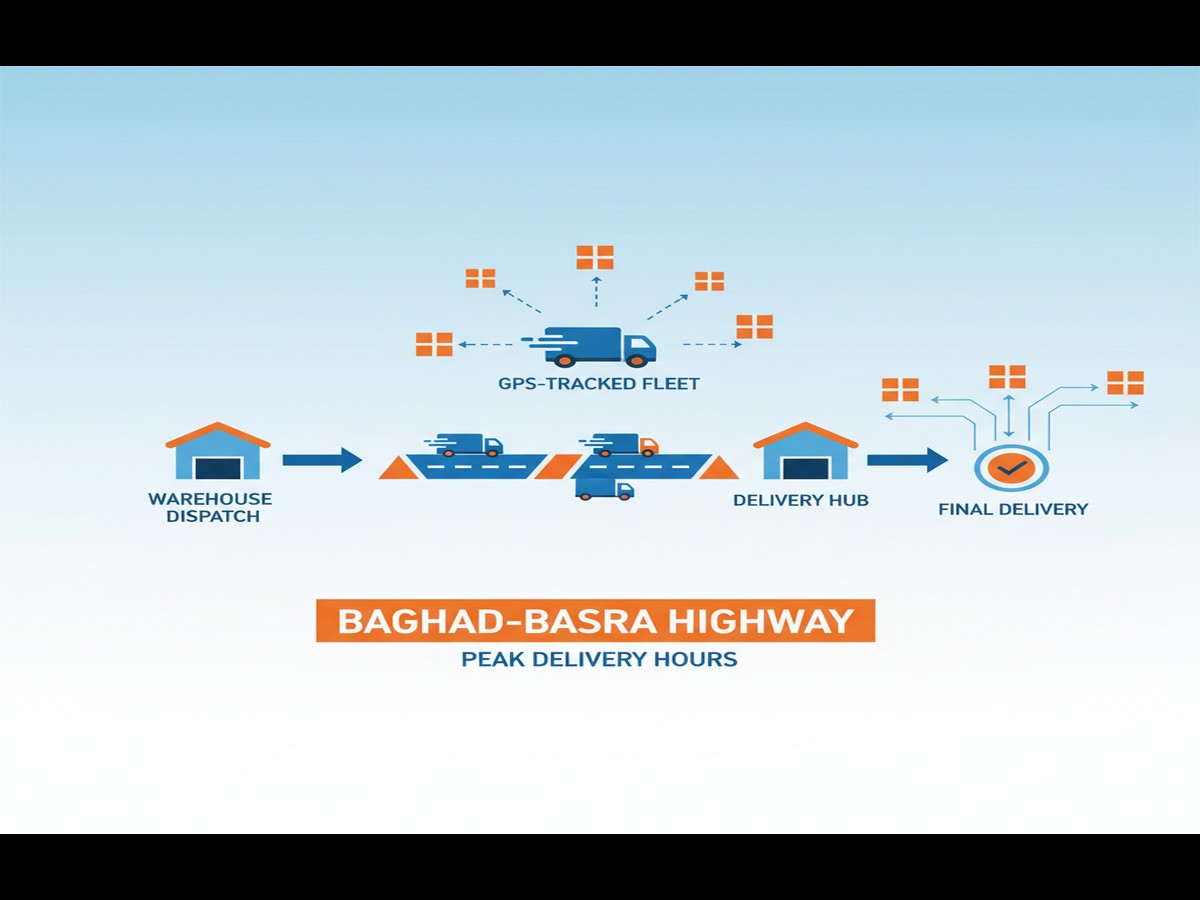
Operating a supply chain in Iraq inherently involves addressing significant geopolitical and security considerations. While the overall security situation has improved, localized complexities and the need for robust risk management remain paramount for Iraqi logistics. Freight forwarders must implement stringent security protocols, including real-time tracking, secure convoy management, and thorough risk assessments for every transport route. Customs clearance Iraq procedures, often impacted by regional dynamics, demand expertise and meticulous documentation to ensure smooth cross-border trade. Direct Drive Logistic specializes in developing secure transport routes and providing comprehensive customs brokerage, ensuring the safe and timely delivery of goods across various sectors, including the vital oil and gas logistics.
Infrastructure Limitations and Strategic Adaptation in Iraq’s Transportation Network
Iraq’s transportation network, while undergoing significant development, still presents infrastructure limitations that necessitate strategic adaptation. Road networks, though extensive, can vary in quality, and port infrastructure, particularly at key hubs like Umm Qasr, may experience congestion. Limited rail logistics currently mean that road freight Iraq and air freight Iraq remain dominant. Experienced freight forwarders leverage multimodal transport solutions, strategically combining road, sea, and air freight transport to optimize efficiency and overcome bottlenecks. This includes utilizing strategic warehousing solutions near major transport hubs to streamline distribution and enhance supply chain resilience. Ongoing government initiatives, such as the Grand Faw Port project and the Development Road, promise future enhancements, but current operations demand agile and resourceful planning.
Economic Recovery and Emerging Opportunities in Iraq’s Freight Forwarding Sector
Despite its challenges, Iraq is experiencing a period of significant economic recovery, driving new opportunities within the freight forwarding in Iraq sector. Reconstruction projects across various governorates are fueling demand for construction materials, machinery, and specialized equipment. The robust oil and gas sector continues to be a major driver, requiring specialized logistics for equipment, chemicals, and personnel. Beyond hydrocarbons, there is a growing push for economic diversification, leading to increased demand for consumer goods, agricultural products, and industrial components. This creates a vibrant Iraq logistics market ripe for growth. As the nation stabilizes and attracts more foreign investment, the need for efficient, reliable, and secure logistics services will only intensify, positioning expert freight forwarders as critical partners in Iraq’s continued development.
Navigating the Complexities: Key Challenges in Iraqi Logistics and Customs for Freight Forwarding In Iraq
Navigating the complex landscape of Iraqi logistics and customs presents a unique set of challenges that demand expert knowledge and robust strategies. For any business engaged in international trade with the region, understanding these intricacies is paramount to ensuring efficient and secure freight forwarding in Iraq. Direct Drive Logistic specializes in mitigating these hurdles, transforming potential obstacles into manageable operations.
Political Instability and Security Concerns Impacting Freight Movement Across Iraq
Iraq’s geopolitical environment, while stabilizing in many areas, still requires careful consideration for freight movement. Occasional localized political instability and security concerns can impact supply chain resilience, leading to unforeseen delays and heightened risk for cargo transit. Navigating various checkpoints, understanding regional nuances, and adapting to evolving security protocols are critical for safe passage. This necessitates continuous monitoring of trade routes and a dynamic approach to logistics planning. Companies must factor in potential rerouting, enhanced security measures, and comprehensive risk assessments to safeguard their shipments and personnel, ensuring uninterrupted flow of goods despite the prevailing conditions.
Bureaucratic Customs Procedures and Documentation Challenges in International Shipping
One of the most significant hurdles in Iraqi logistics is the often-complex web of bureaucratic customs procedures and documentation requirements. Importers and exporters frequently encounter varying regulations across different border crossings and ports, demanding meticulous attention to detail. Extensive paperwork, including permits, licenses, and certificates of origin, must be precisely prepared to avoid delays, penalties, and potential confiscation of goods. Challenges in customs clearance can significantly impact lead times and overall costs, making expert guidance invaluable. According to a recent report on the Iraq logistics market, navigating these regulatory frameworks efficiently is key to market success. Direct Drive Logistic provides the expertise to streamline these import/export procedures, ensuring regulatory compliance and smooth passage through Iraqi customs.
Infrastructure Limitations and Transportation Network Constraints in Iraqi Logistics
Iraq’s logistics infrastructure, while improving, still presents considerable challenges, particularly regarding transportation network constraints. The quality of road networks can vary significantly, leading to slower transit times, increased wear and tear on vehicles, and higher operational costs. Congestion at major ports, such as Umm Qasr, and limited rail connectivity further complicate the efficient movement of cargo. These infrastructure limitations affect last-mile delivery and the overall efficiency of the supply
Freight Forwarding In Iraq Essential Services Offered by Expert Freight Forwarders in Iraq
Essential Services Offered by Expert Freight Forwarders in Iraq
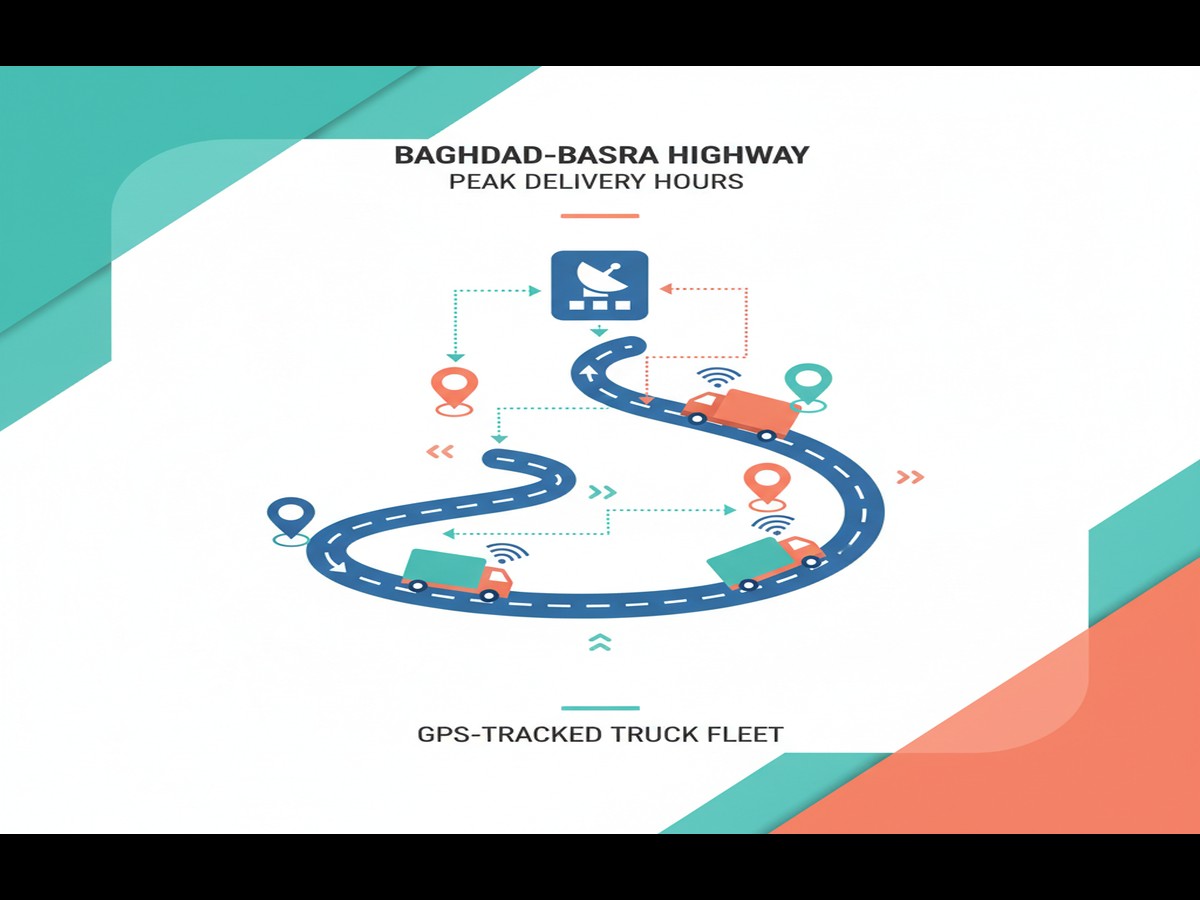
Navigating the complexities of international trade and domestic distribution in Iraq demands more than just transportation; it requires a comprehensive suite of integrated logistics solutions. Expert freight forwarders in Iraq act as vital partners, streamlining the entire supply chain from origin to final destination. Their specialized services are designed to overcome unique regional challenges, ensuring efficiency, compliance, and cost-effectiveness for businesses operating within or trading with Iraq.
Comprehensive Air, Sea, and Land Freight Solutions Across Iraq and Beyond
A cornerstone of effective freight forwarding in Iraq is the ability to offer flexible and robust multimodal transport options. Expert providers manage diverse cargo types, from oversized project cargo to time-sensitive perishables, utilizing Iraq’s strategic geographic position. This includes extensive sea freight services through major ports like Umm Qasr, connecting Iraq to global trade routes. For speed and efficiency, air freight solutions leverage international airports in Baghdad, Basra, and Erbil, crucial for urgent shipments. Furthermore, a well-established network of land freight routes facilitates seamless cross-border movements with neighboring countries and efficient domestic distribution. According to recent findings, the Iraq air freight market continues to expand, reflecting the growing demand for rapid cargo management and international shipping capabilities.
Streamlined Customs Clearance and Documentation for Hassle-Free Iraqi Imports/Exports
One of the most critical and often challenging aspects of logistics in Iraq is customs clearance. Expert freight forwarders possess in-depth knowledge of Iraqi customs regulations, tariffs, and documentation requirements, which can be intricate and frequently updated. They handle all necessary paperwork, including bills of lading, commercial invoices, packing lists, certificates of origin, and import/export licenses, ensuring full trade compliance. This meticulous attention to detail minimizes delays, avoids costly penalties, and ensures a smooth flow of goods into and out of the country. Their expertise in navigating local bureaucratic processes is indispensable for any company seeking hassle-free Iraqi imports and exports, significantly contributing to overall supply chain optimization. Insights from a recent Iraq freight logistics study highlight the importance of expert navigation through these regulatory landscapes.
Integrated Warehousing, Distribution, and Last-Mile Delivery for Complete Supply Chain Management
Beyond transportation and customs, leading freight forwarders in Iraq offer integrated warehousing and distribution solutions that complete the supply chain. Modern, secure warehousing facilities, strategically located near key transport hubs, provide efficient storage, inventory management, and order fulfillment services. These facilities often feature advanced security systems and climate control for sensitive goods. The distribution network ensures that goods are efficiently moved from warehouses to their final destinations across Iraq. This includes specialized last-mile delivery services, which are crucial for reaching remote areas or specific business locations, often employing a diverse fleet of vehicles and local knowledge to overcome infrastructural challenges. By integrating these services, businesses benefit from a single point of contact for their entire logistics footprint, reducing operational complexities and enhancing overall efficiency.
Need Reliable Delivery Services?
Get a free quote from Direct Drive Logistic today. Fast, secure, and professional logistics solutions tailored to your needs.
Selecting the Right Freight Forwarding Partner for Your Iraqi Shipments
Navigating the complex landscape of international trade, especially into a region like Iraq, necessitates more than just a standard logistics provider. Selecting the right freight forwarding partner is paramount to ensuring your shipments are delivered efficiently, compliantly, and securely. For successful freight forwarding in Iraq, businesses must look beyond basic transportation and evaluate a forwarder’s deep expertise and comprehensive capabilities.
Assessing Their Specialized Knowledge of Iraqi Customs and Complex Regulations
Iraq’s regulatory environment is notoriously intricate and subject to frequent changes. A truly effective freight forwarder for Iraqi shipments must possess an unparalleled understanding of its customs procedures, tariffs, and import restrictions. This includes specific knowledge of varying regulations between federal Iraq and the Kurdistan Region of Iraq (KRG), which can significantly impact documentation and clearance processes. An expert partner will guide you through the labyrinth of required permits, certifications, and compliance mandates, minimizing the risk of costly delays, fines, or even confiscation of goods. They should be proficient in managing everything from commercial invoices and packing lists to certificates of origin and specific product-related approvals. This specialized knowledge is not static; it requires continuous monitoring of updates from the Iraqi government and customs authorities to ensure every shipment adheres to the latest Iraq freight market standards and avoids common pitfalls in customs clearance.
Evaluating Comprehensive Service Offerings and Robust Local Networks
Beyond customs expertise, the ideal freight forwarding for Iraq offers a holistic suite of services backed by a robust local presence. This means more than just port-to-port or airport-to-airport transport. Look for providers who offer end-to-end supply chain solutions, including multimodal transport options (sea, air, road), secure warehousing, efficient distribution, and reliable last-mile delivery capabilities. A strong local network, comprising established offices, experienced personnel on the ground, and trusted local agents, is invaluable. This local presence ensures real-time problem-solving, enhanced security protocols, and cultural fluency, which are critical for navigating the unique operational challenges within Iraq. Their ability to provide detailed tracking, proactive communication, and contingency planning demonstrates a commitment to comprehensive logistics solutions. Understanding the broader Iraq cargo outlook and leveraging a strong local network allows for optimized routes, efficient handling, and a seamless flow of goods from origin to final destination, making your supply chain resilient and reliable.
Optimizing Your Supply Chain: Best Practices for Efficient Iraqi Logistics
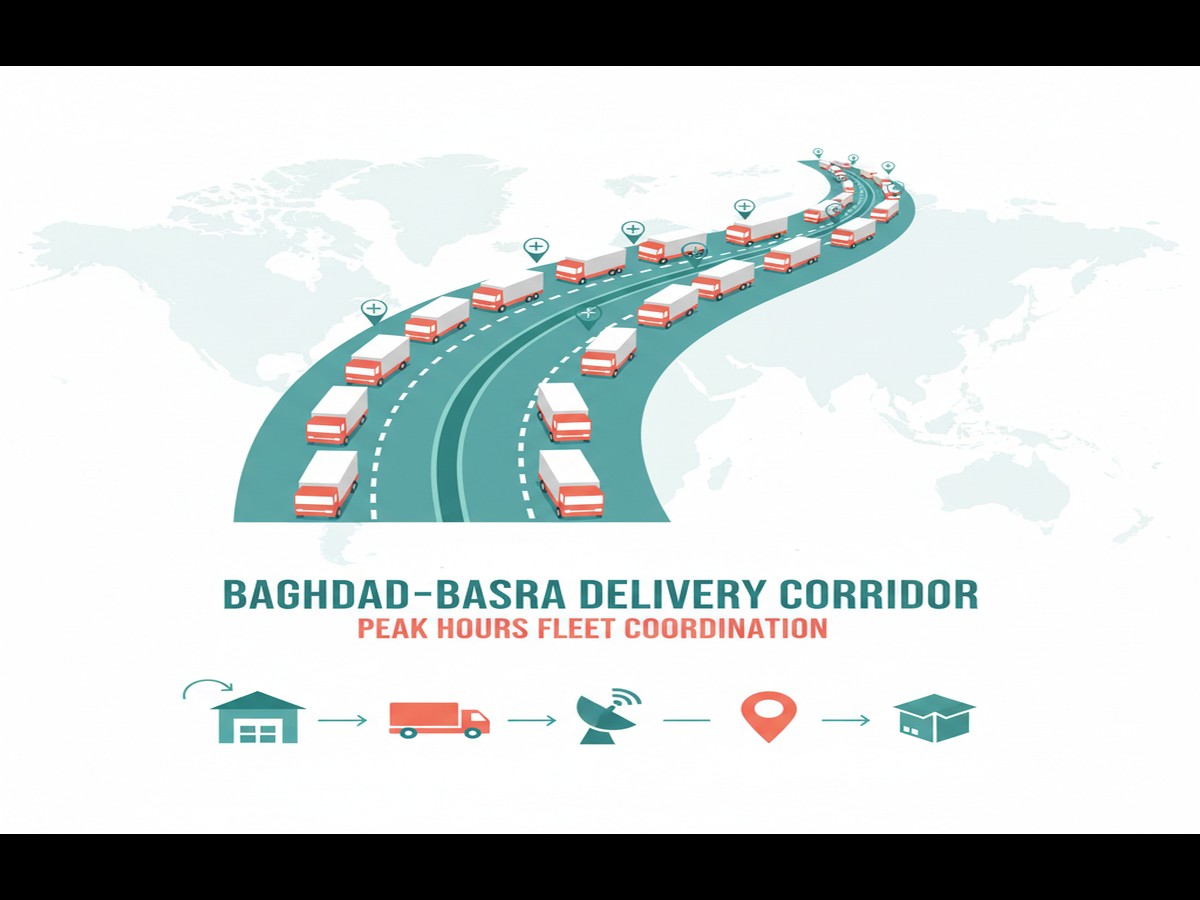
Optimizing Your Supply Chain: Best Practices for Efficient Iraqi Logistics
Navigating the complexities of the Iraqi logistics landscape requires more than just moving goods; it demands strategic optimization to ensure efficiency, compliance, and resilience. For businesses engaged in freight forwarding in Iraq, adopting best practices across technology, customs navigation, and risk management is paramount to achieving supply chain excellence.
Leveraging Advanced Technology for Real-time Visibility and Data-Driven Decision Making
In a dynamic market like Iraq, real-time visibility is a game-changer for supply chain optimization. Modern logistics relies heavily on advanced technology to track shipments, monitor conditions, and make informed decisions. Implementing GPS tracking systems, IoT sensors for cargo monitoring (e.g., temperature and humidity for sensitive goods), and digital platforms for documentation and communication can significantly enhance transparency. For instance, a pharmaceutical company importing into Iraq could utilize IoT sensors to ensure cold chain integrity from port to warehouse, mitigating spoilage risks. Furthermore, predictive analytics can forecast potential delays due to weather, road conditions, or border congestion, allowing for proactive route adjustments and improved delivery times. This data-driven approach empowers logistics managers to optimize routes, reduce transit times, and enhance overall operational efficiency, transforming raw data into actionable insights for better supply chain management.
Navigating Iraqi Customs and Regulations with Expert Local Knowledge and Compliance Strategies
Iraqi customs procedures can be intricate and subject to change, posing significant challenges for international freight forwarders. Success hinges on deep local knowledge and robust compliance strategies. Partnering with a freight forwarding expert who possesses an in-depth understanding of Iraqi import/export regulations, tariff classifications, and documentation requirements is crucial. This expertise helps in streamlining the customs clearance process, minimizing delays, and avoiding costly penalties. For example, accurate and complete documentation, including commercial invoices, packing lists, certificates of origin, and specific import licenses, must be meticulously prepared and submitted. A local team can navigate the nuances of various government agencies, facilitate pre-clearance where possible, and address any discrepancies swiftly. Proactive communication with customs officials and a clear understanding of cultural business practices are also vital components of effective regulatory compliance in Iraq.
Building Resilient Supply Chains: Mitigating Risks and Ensuring Operational Continuity
The Iraqi operational environment, while improving, still presents unique risks, including infrastructure challenges, security concerns, and geopolitical factors. Building a resilient supply chain means proactively identifying and mitigating these potential disruptions to ensure operational continuity. This involves comprehensive risk assessment, developing robust contingency plans, and diversifying transportation routes and modes. For example, relying on a single port or road might be efficient in stable times, but having alternative entry points or multimodal options (sea-road, air-road) can be critical during unforeseen events. Implementing stringent security protocols for cargo and personnel, along with comprehensive insurance coverage, further enhances resilience. Collaborating with trusted, vetted local partners and maintaining strong communication channels across the entire logistics network are also essential for swift response and recovery, safeguarding your supply chain against potential interruptions and ensuring reliable delivery schedules.
The Future of Freight Forwarding in Iraq: Trends and Opportunities
The landscape of freight forwarding in Iraq is on the cusp of significant transformation, driven by a confluence of technological advancements, burgeoning economic opportunities, and a strategic re-evaluation of its regional position. As Iraq continues its path towards stability and growth, the logistics sector is poised for unprecedented evolution, presenting both challenges and lucrative prospects for forward-thinking businesses like Direct Drive Logistic.
Digital Transformation and Technology Integration in Iraq’s Freight Forwarding Sector
The future of freight forwarding in Iraq is undeniably digital. The sector is increasingly embracing technology to enhance efficiency, transparency, and security across the supply chain. We anticipate a surge in the adoption of advanced digital solutions, including real-time cargo tracking, automated customs clearance systems, and sophisticated warehouse management software. The integration of Artificial Intelligence (AI) and machine learning will optimize routing, predict demand fluctuations, and streamline complex logistics processes, leading to more resilient supply chains. Furthermore, the expansion of e-commerce within Iraq will necessitate robust e-logistics platforms, driving investment in last-mile delivery solutions and digital freight marketplaces. This digital shift is crucial for improving overall supply chain visibility and reducing operational costs, making Iraq’s logistics more competitive on the global stage.
Emerging Economic Opportunities and Infrastructure Development in Post-Conflict Logistics
Iraq’s ongoing reconstruction efforts and economic diversification initiatives are creating a wealth of opportunities for the logistics sector. Major infrastructure projects, such as the ambitious Development Road project connecting the Grand Faw Port to Turkey and Europe, are set to revolutionize cargo movement and regional trade. Significant investments in port expansion, modern highway networks, and railway rehabilitation will enhance Iraq’s logistics infrastructure, facilitating smoother and faster cargo transit. Beyond the traditional oil and gas sector, emerging industries like agriculture, manufacturing, and renewable energy are gaining traction, each requiring specialized logistics support. The establishment of new industrial zones and free trade areas will further stimulate demand for comprehensive freight management services, positioning Iraq as a key player in regional trade and investment.
Strategic Positioning for Regional Trade and International Supply Chain Expansion
Iraq’s unique geographical location places it at a critical crossroads between the Middle East, Europe, and Asia, offering immense potential to become a central regional trade hub. Its strategic borders with key markets like Turkey, Iran, Jordan, and the Gulf Cooperation Council (GCC) countries provide unparalleled opportunities for transit trade and cross-border logistics. The development of multimodal transport solutions, combining sea, road, and rail, will strengthen Iraq’s connectivity and enhance its appeal for international supply chains seeking efficient routes to diverse markets. By leveraging its strategic position and investing in modern transportation networks, Iraq can attract significant volumes of international cargo, solidifying its role as a vital link in global commerce. This strategic positioning is pivotal for the long-term growth and success of freight forwarding in Iraq, promising a dynamic and interconnected future.
Frequently Asked Questions
▼ What is freight forwarding in iraq?
Freight Forwarding In Iraq refers to specialized logistics services that facilitate the transportation and delivery of goods in the Iraq and Kurdistan region. This encompasses a comprehensive range of supply chain solutions including customs clearance, warehousing, distribution, and last-mile delivery. Our services are designed to meet the unique challenges of operating in this dynamic market, providing businesses with reliable and efficient logistics support.
▼ Why is freight forwarding in iraq important for businesses?
Understanding freight forwarding in iraq is crucial for businesses operating in Iraq and Kurdistan because it directly impacts operational efficiency, cost management, and customer satisfaction. Effective logistics solutions help companies navigate complex regulatory requirements, optimize supply chain operations, reduce transit times, and ensure reliable delivery schedules. In a competitive market, having the right logistics partner can mean the difference between success and failure in reaching your business goals.
▼ How to get started with freight forwarding in iraq?
Getting started with freight forwarding in iraq requires a clear understanding of your specific business needs, shipping volumes, and delivery timelines. First, assess your current logistics challenges and identify areas for improvement. Then, consult with experienced logistics providers who have proven expertise in the Iraq and Kurdistan market. They can help you develop a customized solution that addresses your unique requirements, whether that’s air freight, ground transportation, warehousing, or integrated supply chain management.
▼ What are the costs involved in freight forwarding in iraq?
Costs for logistics services in Iraq and Kurdistan vary depending on several factors including shipment size, weight, destination, delivery urgency, and any special handling requirements. Pricing typically includes transportation fees, customs clearance charges, warehousing costs, and insurance. For accurate pricing tailored to your specific needs, contact our logistics team for a detailed quote. We offer competitive rates and transparent pricing with no hidden fees, ensuring you get the best value for your investment.
Conclusion
In conclusion, successful freight forwarding in Iraq is far more than mere transportation; it’s a strategic imperative demanding deep local expertise, robust networks, and unwavering reliability. We’ve explored the unique landscape, from navigating diverse customs regulations and infrastructure challenges to ensuring secure and timely delivery across the region. The ability to seamlessly manage these complexities directly impacts your operational efficiency and bottom line.
This is precisely where Direct Drive Logistics excels. With our unparalleled understanding of the Iraqi market, state-of-the-art technology, and a dedicated team, we transform potential logistical hurdles into streamlined successes. We are committed to optimizing your supply chain, reducing costs, and providing the peace of mind that comes with knowing your cargo is in expert hands. For businesses aiming for growth and stability in Iraq, choosing the right freight forwarding partner is paramount.
Don’t let the intricacies of freight forwarding in Iraq become a bottleneck for your business. Partner with Direct Drive Logistics and experience the difference that true expertise and commitment make. We are ready to craft tailored solutions that meet your specific needs and propel your operations forward.
Contact us today to discuss your freight forwarding requirements and discover how Direct Drive Logistics can empower your success.
Streamline your Iraq freight logistics with Direct Drive’s expert international shipping solutions, ensuring your cargo moves efficiently and securely across complex regional networks. Take control of your supply chain today by calling our dedicated logistics team at (+964) 750 953 9899 to receive a customized freight forwarding consultation tailored to your specific business needs.
📞 Contact Us for a Consultation
Location
Direct Drive Logistic
MRF Quattro towers, Block A-29-1
Erbil, Kurdistan Region