
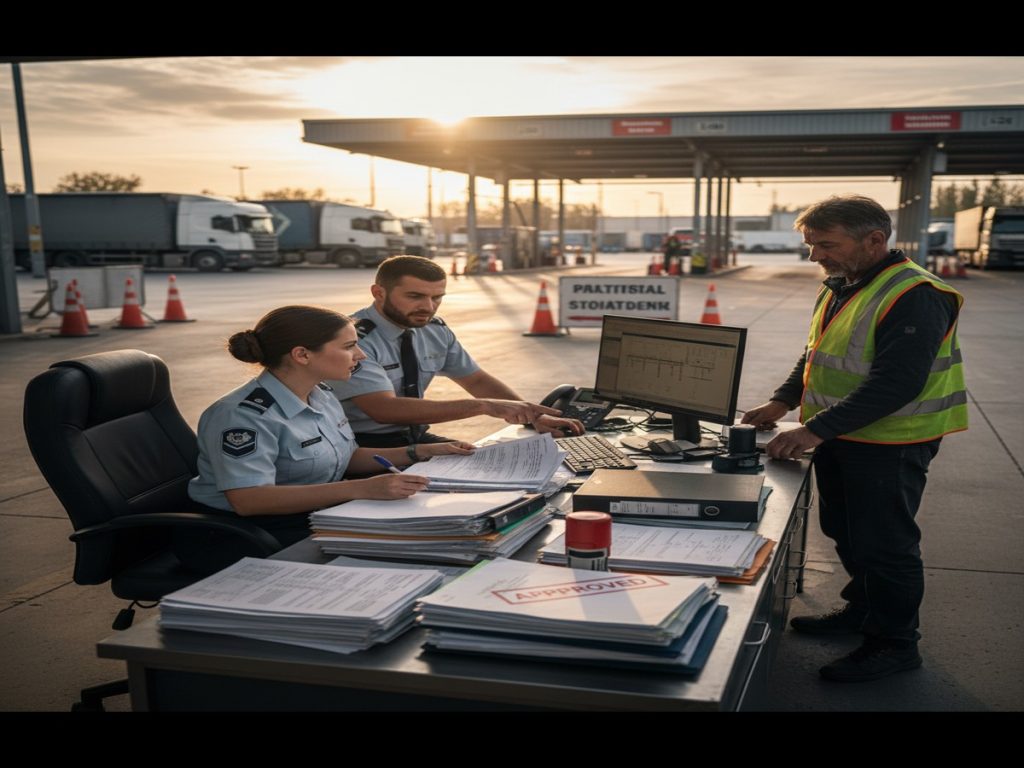
Customs Clearance Kurdistan Guide 2026: Expert Tips & Tricks
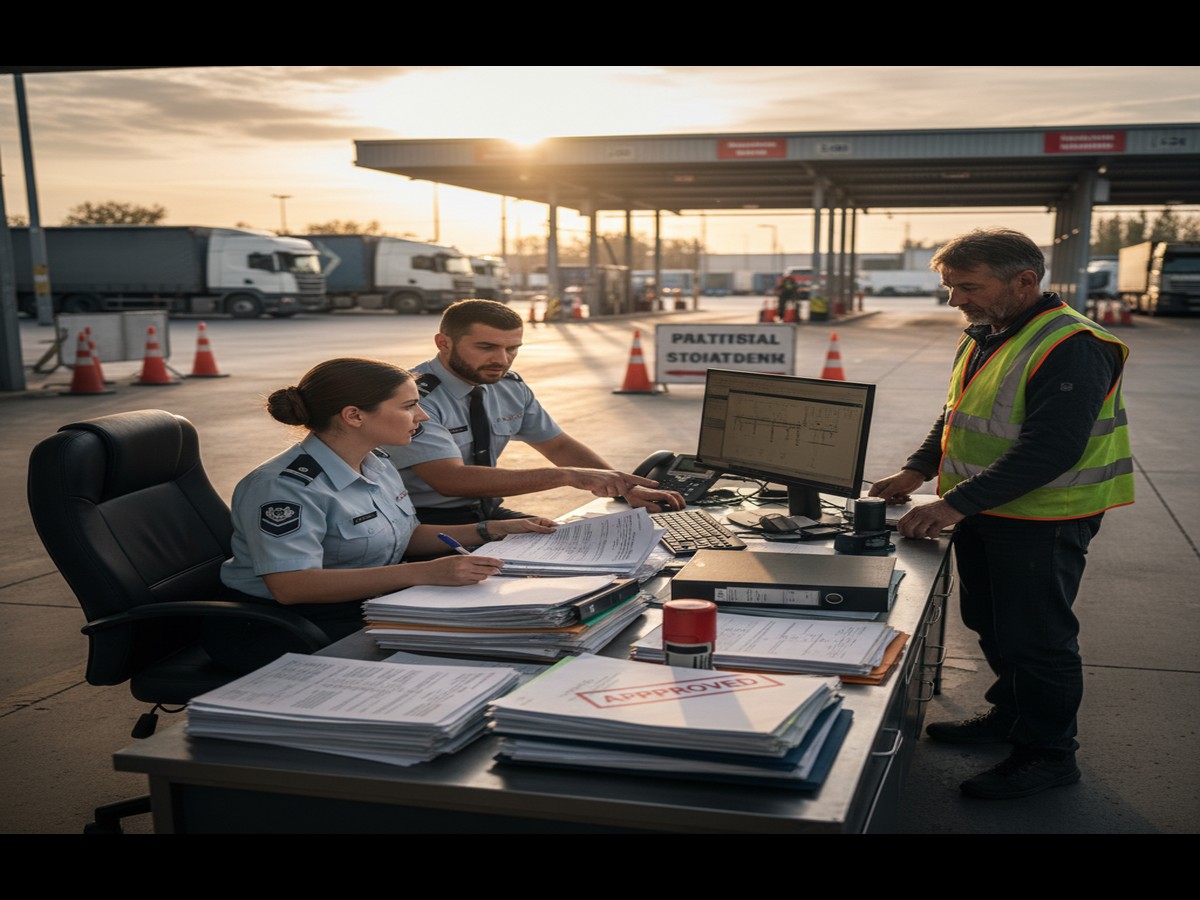
Discover how this customs clearance kurdistan guide can transform your logistics operations. This guide provides a practical, on-the-ground perspective. It demystifies the unique dual-authority customs landscape of Kurdistan. We focus on actionable steps to navigate both KRG and Federal Iraqi requirements. This helps prevent delays and fines.
This comprehensive guide explores customs clearance kurdistan guide through multiple perspectives. We’ll cover key aspects, including understanding the differences between KRG and Federal Iraqi customs regulations. The essential customs clearance procedures for Kurdistan importers will be outlined. We will also provide a step-by-step guide to export customs clearance from Kurdistan. Essential documentation, duty calculation, and navigating prohibited items will be explained. The role of customs brokers and major entry points will be compared.
Why does this matter? Kurdistan’s customs environment presents unique challenges. Importers and exporters must navigate a complex system. Understanding the nuances of both the Kurdistan Regional Government (KRG) and Federal Iraqi regulations is crucial. For example, the “Certificate of Conformity (CoC)” is vital for specific product categories. This guide helps you avoid costly mistakes and delays.
We will also address common pitfalls and delays. We will cover how to avoid them. Selecting the right customs broker is key; we offer practical advice. The Automated System for Customs Data (ASYCUDA), used in Kurdistan, will be explained. ASYCUDA is a computerized system used to manage customs processes, including declarations, tariffs, and trade statistics. Understanding its modules is crucial for efficient clearance. Also, we will briefly touch on the unified tariff system. The unified tariff system is a standardized system for classifying traded products, used to determine applicable duty rates. Knowing common tariff codes can save you money.
This customs clearance kurdistan guide will equip you with the knowledge you need. We will also touch on recent changes to customs regulations. By understanding these changes, you can stay compliant. Customs duty is a tax imposed on goods when they are transported across international borders. Accurately calculating this is essential. A customs broker is a licensed professional who assists importers and exporters with customs clearance procedures. Choosing the right one can streamline the process. Let’s delve into the specifics of customs clearance in Kurdistan.
Understanding Customs Clearance in the Kurdistan Region of Iraq

Key Regulations and Procedures for Customs Clearance in Kurdistan
This comprehensive customs clearance kurdistan guide outlines the evolving regulatory landscape for importers and exporters. The Kurdistan Region of Iraq (KRI) is currently aligning its customs tariffs with the federal system under Decision 597. This significant shift replaces previous flat-fee structures with structured rates ranging from 0.5% to 30% based on HS codes.
This unification, impacting major crossings like Ibrahim Khalil and Bashmakh, is projected to boost state revenues by an estimated USD 1.2 billion annually. The rollout of the UN-backed ASYCUDA electronic system automates declarations and payments, a key step in modernizing the process.
For strategic investors, the KRG Investment Law offers substantial benefits. Approved projects can receive a 10-year exemption from taxes and customs duties on machinery and raw materials. This incentive is a major driver for the logistics market, which is forecast to reach USD 12.5 billion by 2030, growing at a 6.2% CAGR. You can review the full Investment Law in Kurdistan for specific obligations. This makes our customs clearance kurdistan guide essential for planning.
Required Documentation for Import/Export: HS Code, COO, and More
A successful customs clearance kurdistan guide must emphasize proper documentation. Preparing the correct paperwork is critical to avoid delays at KRI borders like Parwezkhan. The new unified tariff system covers approximately 16,400 HS tariff items, making accurate classification essential. Our team of expert customs brokers kurdistan can ensure your goods are correctly categorized.
Mandatory documents for both import and export include a Commercial Invoice with HS codes, a legalized Certificate of Origin (COO), and a detailed Packing List. You will also need a Bill of Lading and ICIGI Insurance covering 110% of the CIF value. For shipments over USD 500,000, an Import License is required. This meticulous approach is central to any import customs clearance kurdistan strategy.
This detailed documentation supports the ASYCUDA system, which reduces manual processing but can initially extend clearance times to between 4 and 10 days. Following this customs clearance kurdistan guide ensures compliance and minimizes potential issues. A complete Iraq Customs Clearance checklist is a valuable resource.
Navigating Incoterms and Valuation for Customs in Kurdistan
Understanding valuation is a cornerstone of this customs clearance kurdistan guide. With the implementation of ASYCUDA, the KRG is moving away from manual estimations toward automated, bank-settled duty calculations based on precise customs values. New valuation mechanisms were approved in early 2026, further standardizing the process for all traders in Erbil, Sulaymaniyah, and Duhok.
Your choice of Incoterms (CIF, FOB, EXW) directly impacts the declared value and subsequent duties. For example, duties on vehicles now range from 8% to 15% based on engine size, while electronics face duties of 10% to 15%. Accurately declaring these values is crucial. This customs clearance kurdistan guide helps you navigate these complexities.
Company provides expert guidance on valuation to ensure compliance and cost-efficiency. We help clients understand how Incoterms affect their total landed cost, a vital service for anyone involved in import customs clearance kurdistan. By leveraging our expertise, you can streamline your supply chain and capitalize on the region’s growing logistics opportunities. This customs clearance kurdistan guide is your first step.
For a deeper dive, consult our customs clearance guide.
Key Differences: KRG vs. Federal Iraqi Customs Regulations
Authority and Implementation of Customs Laws: KRG vs. Federal Iraq
Navigating the evolving landscape of Iraqi customs requires a specialized customs clearance kurdistan guide. Historically, the Kurdistan Region of Iraq (KRI) operated with distinct customs regulations, often featuring flat-fee tariffs. A major shift is underway as the KRG aligns its system with federal Iraq following Decision 597, unifying tariff structures across all border crossings.
This unification, which began with talks in February 2026, aims to standardize duties and boost state revenues by an estimated USD 1.2 billion annually through better enforcement[3][5]. While this creates a more predictable environment, it has also led to initial protests from traders facing higher effective duties. This process to align customs tariffs is reshaping trade at key points like Ibrahim Khalil and Bashmakh.
For businesses, understanding this transition is crucial for a successful customs clearance kurdistan guide. The move away from regional discrepancies toward a single, federally-managed system impacts budgeting, compliance, and overall supply chain strategy. Company offers expert guidance to navigate these changes seamlessly.
Variations in HS Code Interpretation and Application
A core component of this customs clearance kurdistan guide is understanding the Harmonized System (HS) code application. The new unified system covers 16,400 HS tariff items, replacing previous flat-rate estimates with a structured ad valorem system where duties range from 0.5% to 30%[3][13]. This change introduces precision but also complexity for importers.
The rollout of the UN-backed ASYCUDA electronic system is central to this shift. It automates duty calculations based on HS codes, minimizing human intervention and manual estimations at crossings like Parwezkhan[3][9]. While this enhances transparency, it has initially extended clearance times to between 4 and 10 days as stakeholders adapt. This digital transformation is a key part of our customs clearance kurdistan guide.
Specific sectors see varied impacts. For instance, duties on electronics now stand at 10-15%, while vehicles face tariffs of 8-15% depending on engine size[3][5]. In contrast, oilfield equipment duties remain low at 0-5%, plus a 5% reconstruction levy, supporting the region’s primary industry[1]. Navigating this detailed tariff schedule is a vital service offered by customs brokers in Kurdistan.
Import Documentation and Special Exemptions
This customs clearance kurdistan guide highlights that while tariffs are aligning, certain KRG-specific advantages remain. The KRG Investment Law is a powerful tool for businesses, offering 10-year tax and customs duty exemptions on imported machinery and raw materials for approved projects[4]. Spare parts up to 15% of the machinery’s value are also exempt.
These exemptions are a significant incentive, fueling a logistics market projected to reach USD 12.5 billion by 2030 at a 6.2% CAGR[1][4]. Under the KRG Investment Law, no import license is needed if goods are used exclusively for the project. This is a critical advantage for investors in Duhok and Erbil. Our customs clearance kurdistan guide helps clients leverage these benefits fully.
Standard documentation remains mandatory across all of Iraq. This includes a Commercial Invoice with HS codes, a legalized Certificate of Origin, a detailed Packing List, and a Bill of Lading[1][6]. For shipments over USD 500,000, an import license is typically required, ensuring compliance with both regional and federal standards. For comprehensive guidance, refer to our customs clearance Iraq guide.
The Essential Customs Clearance Procedures Kurdistan Importers Must Follow
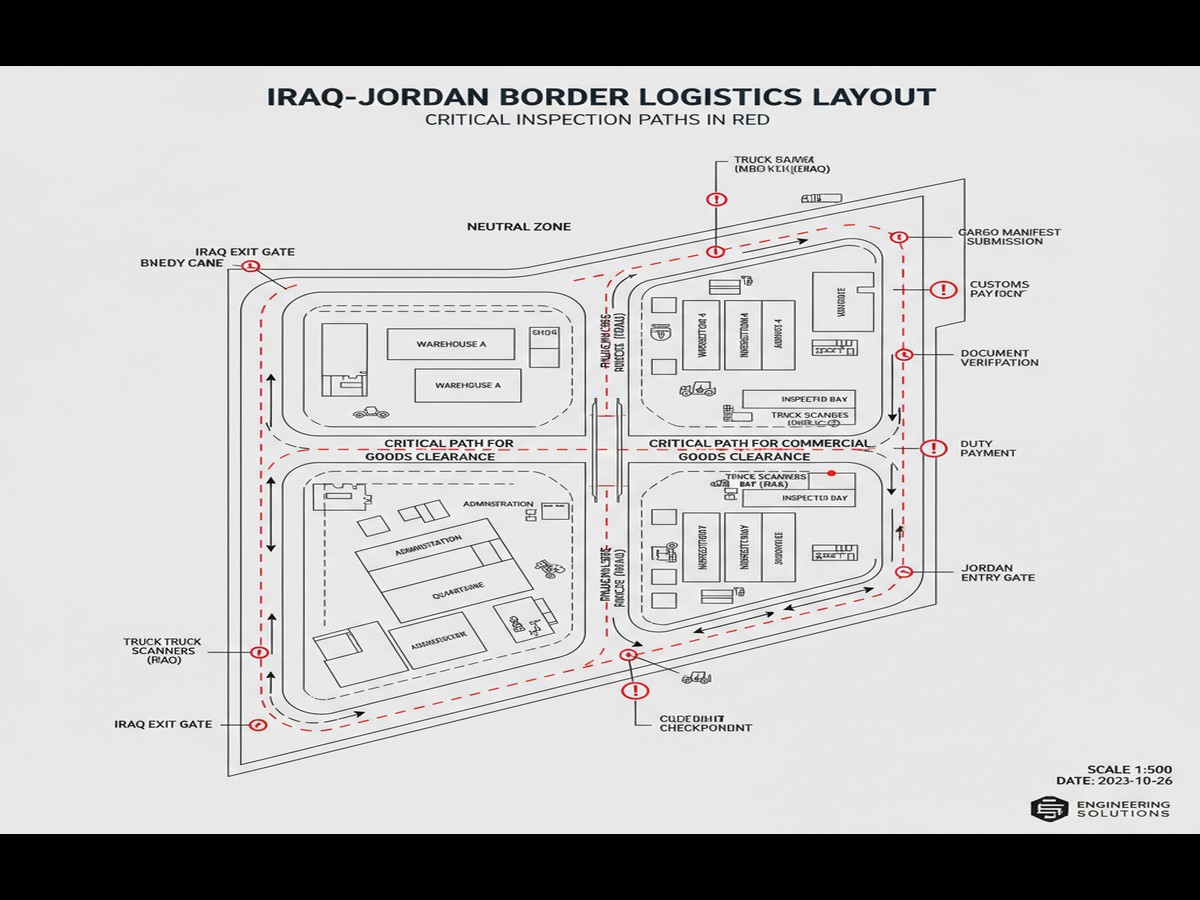
Preparing Essential Import Documents for Kurdistan Customs Clearance
This comprehensive customs clearance kurdistan guide begins with proper documentation. Navigating the process requires a precise set of papers to avoid costly delays at borders like Ibrahim Khalil. Your shipment’s success depends on having every document correctly prepared and legalized.
Mandatory paperwork for import customs clearance kurdistan includes a Commercial Invoice with HS codes, a legalized Certificate of Origin, and a detailed Packing List. You will also need a Bill of Lading and ICIGI Insurance covering 110% of the CIF value. For a visual checklist, see the detailed Intertek’s Kurdistan. For shipments over USD 500,000, an Import License is required. Understanding how to start doing business in Iraq is the first step.
HS Code Classification and Valuation for Kurdistan Imports
A critical step in our customs clearance kurdistan guide is accurate HS code classification. The Kurdistan Region is actively unifying its customs tariffs with the federal system under Decision 597. This significant shift replaces older flat-fee systems with a structured tariff schedule based on HS codes.
This new system covers over 16,400 HS tariff items, with duties ranging from 0.5% to 30%. Importers must now account for higher effective duties on certain goods, such as 10-15% for electronics and 8-15% for vehicles, depending on engine size. Proper classification is no longer optional; it is essential for compliance and accurate duty calculation in this evolving customs clearance kurdistan guide. Partnering with experienced customs brokers kurdistan ensures correct classification from the start.
Payment of Duties, Taxes, and Fees in Kurdistan
The final stage of this customs clearance kurdistan guide involves the settlement of all applicable charges. The rollout of the UN-backed ASYCUDA system is automating this process, moving payments from manual estimation to direct bank settlements. This electronic system enhances transparency and is projected to boost state revenues by USD 1.2 billion annually.
While the ASYCUDA system reduces human intervention, it can initially extend clearance times to between 4 and 10 days as stakeholders adapt. However, certain sectors benefit from favorable terms. For instance, oilfield equipment duties remain low at 0-5%, plus a 5% reconstruction levy. Furthermore, the KRG Investment Law provides a 10-year tax and duty exemption for approved projects, covering machinery and raw materials. Staying informed on new customs rules is vital for any importer. Following this customs clearance kurdistan guide helps streamline your operations. It’s also helpful to understand the customs clearance process in Iraq.
Need Reliable Delivery Services?
Get a free quote today. Fast, secure, and professional logistics solutions tailored to your needs.
Customs Clearance Kurdistan Guide A Step-by-Step Guide to Export Customs Clearance from Kurdistan
Step 1: Preparing Export Documents and the Commercial Invoice
This comprehensive customs clearance kurdistan guide begins with meticulous documentation. Accurate paperwork is the foundation for successful exports, especially as the region aligns with federal systems. Your shipment must be accompanied by a complete set of documents, including a Commercial Invoice with HS codes, a legalized Certificate of Origin, and a detailed Packing List.
The Bill of Lading is also essential for sea or land freight. These documents are now processed through the electronic ASYCUDA system, minimizing manual errors and supporting a logistics market projected to reach USD 12.5B by 2030[1][4]. Neglecting any required document can lead to significant delays at crucial border crossings like Ibrahim Khalil. Following this customs clearance kurdistan guide ensures compliance from the start.
For businesses operating under the KRG Investment Law, remember that approved projects may benefit from a 10-year exemption on duties for machinery and raw materials, simplifying the process[4]. Verifying your eligibility for these exemptions is a crucial first step. Proper preparation is key to navigating the rules for doing business in Iraq and the Kurdistan Region.
Step 2: Filing the Export Declaration and Understanding the HS Code
Filing the export declaration is a critical phase in this customs clearance kurdistan guide. Declarations are increasingly submitted electronically via the ASYCUDA system, which standardizes procedures across federal Iraq and the Kurdistan Region. This system automates duty calculations and enhances transparency for all parties involved in the export process.
A core component of the declaration is the Harmonized System (HS) Code. With the KRG’s unification of tariffs under Decision 597, which covers 16,400 HS tariff items, correctly classifying your goods is more important than ever[3][5][13]. This shift replaces previous flat fees with a structured tariff system ranging from 0.5% to 30%, directly impacting costs[3][5]. Professional customs brokers kurdistan can provide invaluable assistance with HS code classification, ensuring you comply with the new customs value mechanisms.
This digital transition is designed to streamline customs clearance kurdistan, although initial processing times can extend to 4-10 days as the system is fully implemented[1][3]. This customs clearance kurdistan guide stresses the importance of accuracy during this digital filing stage.
Step 3: Inspection, Duty Payment (if applicable), and Release for Export
The final stage of our customs clearance kurdistan guide involves inspection and final release. Customs authorities at border points like Bashmakh and Parwezkhan may conduct physical or documentary inspections to verify the shipment against the declaration. This step ensures compliance and security before goods leave the region.
While many exports are not subject to heavy duties, the new unified system ensures all applicable fees are calculated accurately. This enhanced enforcement has already boosted state revenues by an estimated USD 1.2B annually, reflecting the system’s effectiveness[3][5]. For comparison, import customs clearance kurdistan now sees vehicle duties set at 8-15% based on engine size[3][5][13]. Expert partners can help manage these final customs services efficiently.
Once inspection is complete and any fees are settled, authorities issue a release order, permitting the cargo to be exported. The successful completion of this final step marks the end of the process detailed in this customs clearance kurdistan guide, allowing your goods to proceed to their international destination. Understanding the customs clearance process is crucial.
Customs Clearance Kurdistan Guide Required Documentation for Hassle-Free Customs Processing
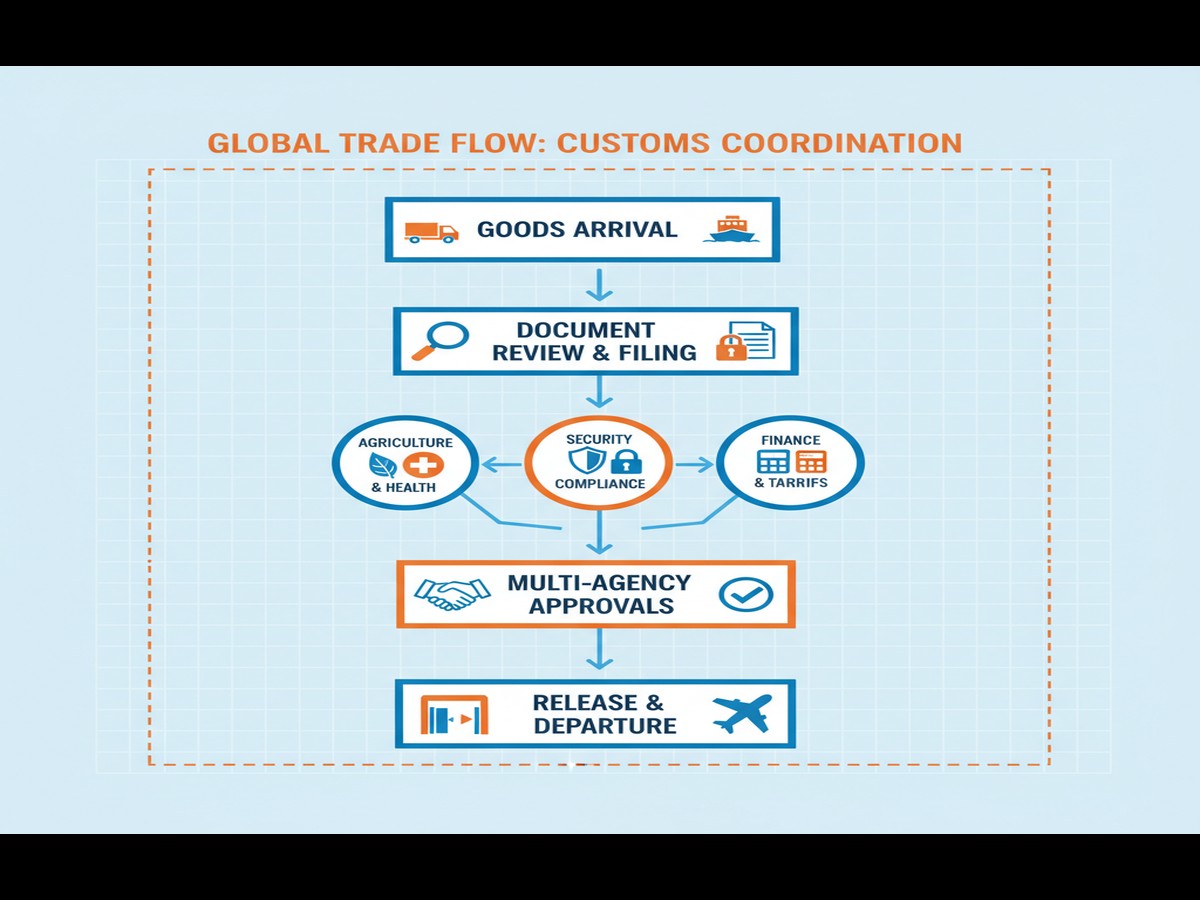
Commercial Invoice: Essential Details for Customs Valuation and Clearance
Navigating the new regulations is a critical part of any successful customs clearance kurdistan guide. Your Commercial Invoice is the foundation of this process, providing the data authorities use for valuation. It must be presented in either English or Arabic and clearly list the Harmonized System (HS) code for every item in your shipment [6]. This detail is more important than ever as the region aligns with federal Iraq’s tariff system.
Under the new rules, flat fees are gone, replaced by structured duties ranging from 0.5% to 30% depending on the HS code [3][5]. This invoice data feeds directly into the ASYCUDA electronic system for real-time declarations. An accurate and detailed invoice is your first step toward efficient import customs clearance kurdistan, preventing delays and ensuring correct duty calculation. For more context on regional business laws, a complete guide to business in the Kurdistan offers valuable insights.
Packing List: Ensuring Accurate Cargo Identification and Verification
While the invoice declares value, the Packing List verifies the physical cargo. This document is a core component of our customs clearance kurdistan guide because it allows officials at borders like Ibrahim Khalil and Bashmakh to confirm your shipment’s contents quickly. Each Packing List must detail weights and repeat the HS codes from the Commercial Invoice for cross-verification [6].
This level of accuracy is non-negotiable. The improved enforcement that accompanies the new digital system has already boosted state revenues by an estimated USD 1.2 billion annually [3][5]. For importers, this means that discrepancies between your packing list and the actual goods will lead to significant delays. Understanding customs clearance Iraq is crucial to avoiding these issues.
Certificate of Origin (COO): Verifying Goods’ Origin for Preferential Treatment
The Certificate of Origin (COO) is another essential document in this customs clearance kurdistan guide, proving where your goods were manufactured. A legalized COO is mandatory for all imports and plays a crucial role for businesses leveraging regional investment incentives [6]. Proper documentation is key to a smooth process. This customs clearance kurdistan guide highlights its importance.
The KRG Investment Law, for example, offers a 10-year exemption from taxes and customs duties on imported machinery and raw materials for approved projects [4]. Your COO is the proof needed to claim these powerful benefits. These incentives are helping fuel a logistics market projected to hit USD 12.5 billion by 2030 [1][4]. For a complete overview of regulations, the official Iraq Trade Compliance guide is an indispensable resource. This customs clearance kurdistan guide is your starting point for success.
How to Accurately Calculate Customs Duty in Kurdistan
Understanding the Kurdistan Customs Tariff and HS Code
This customs clearance kurdistan guide is essential for navigating recent regulatory shifts. The Kurdistan Region of Iraq (KRI) is actively unifying its customs system with federal standards under Decision 597. This significant change replaces old flat-fee structures with a detailed tariff system based on international Harmonized System (HS) codes.
Importers now face duties ranging from 0.5% to 30% across 16,400 HS tariff items. This alignment, discussed since February 2026, aims to streamline trade at key crossings like Ibrahim Khalil and Bashmakh. The new system is projected to boost state revenues by a substantial USD 1.2 billion annually through better enforcement, as authorities are now aligning customs tariffs with the federal system. This is a critical update for any company’s customs clearance kurdistan guide.
The transition is managed through the ASYCUDA electronic system, which processes real-time declarations. While this brings transparency, it has led to higher effective duties on specific goods. For example, electronics now face duties of 10-15%, making accurate HS code classification more important than ever for a smooth customs clearance kurdistan guide.
Calculating Assessable Value using Incoterms for Duty
A crucial step in your customs clearance kurdistan guide is determining the correct assessable value of your goods. This value is the total cost on which duties are calculated and is heavily influenced by the Incoterms (International Commercial Terms) used in your shipping contract, such as CIF, FOB, or EXW.
For most imports into Kurdistan, authorities use the CIF value (Cost, Insurance, and Freight). This means the dutiable value includes the product cost, shipping charges, and insurance cost. It is mandatory for shipments to have ICIGI Insurance covering 110% of the CIF value. Understanding the full scope of Iraq customs clearance rules is vital. Following a proper customs clearance kurdistan guide prevents costly delays.
The KRG Investment Law provides significant exemptions that can lower the assessable value. Approved projects receive 10-year exemptions on machinery and raw materials, a policy driving growth in a logistics market expected to hit USD 12.5 billion by 2030. This makes strategic planning a key part of any import customs clearance kurdistan strategy.
Applying the Correct Duty Rates and Taxes on Imported Goods
Once the HS code and assessable value are determined, applying the correct duty rate is the final calculation. This customs clearance kurdistan guide highlights that rates vary widely. For instance, new vehicle import rules enforce duties between 8% and 15% depending on engine size, while oilfield equipment duties remain low at 0-5% plus a 5% reconstruction levy.
The rollout of the UN-backed ASYCUDA system automates these calculations, reducing manual errors but initially extending clearance times to 4-10 days. Partnering with experienced Customs clearance Iraq can help navigate this new digital landscape. Their expertise ensures correct duty application and compliance with all regulations for a successful customs clearance process.
Ultimately, a precise calculation prevents penalties and ensures your goods move efficiently through checkpoints like Parwezkhan and Ibrahim Khalil. For businesses in Erbil, Sulaymaniyah, and Duhok, mastering this process is fundamental. This customs clearance kurdistan guide from Company provides the expertise you need to succeed.
Navigating Prohibited and Restricted Items Under Kurdistan’s Customs Regulations
Understanding Kurdistan’s List of Prohibited Items: A Comprehensive Overview
This comprehensive customs clearance kurdistan guide helps businesses understand the critical importance of compliance. While certain goods are universally prohibited, the greater challenge often lies in navigating items that could be misclassified. Proper classification is essential for smooth import customs clearance kurdistan.
The recent alignment of KRG customs with the federal system under Decision 957 covers over 16,400 HS tariff items, creating a complex landscape for shippers[3][5]. An incorrect HS code on a legitimate product can flag it as prohibited or restricted, leading to severe delays and inspections at border crossings like Ibrahim Khalil and Bashmakh. This makes expert guidance a vital part of your logistics strategy.
Successfully managing customs clearance kurdistan requires a proactive approach to item classification. Working with experienced customs brokers kurdistan ensures every item in your shipment is correctly coded, preventing it from being mistaken for contraband and ensuring a seamless entry process. This is the foundation of an effective customs clearance kurdistan guide.
Navigating Restricted Goods: Permits, Documentation, and Compliance with Regulations
For restricted goods, meticulous documentation is non-negotiable. This customs clearance kurdistan guide highlights the mandatory paperwork needed for successful entry. Key documents include a Commercial Invoice with correct HS codes, a legalized Certificate of Origin, a detailed Packing List, and a Bill of Lading[1][6].
Furthermore, specific imports require additional permits. For instance, any shipment valued over USD 500,000 requires an Import License, and all goods must be covered by ICIGI Insurance at 110% of the CIF value[1][6]. Understanding these new customs rules is crucial. These layers of compliance are designed to regulate the flow of high-value and sensitive goods, making expert handling indispensable.
Company provides a complete customs clearance kurdistan guide by managing this entire process. We ensure all pre-inspections, such as the inspections oilfield equipment needs from an approved inspection body, are completed and all licenses are secured. This attention to detail prevents costly delays at entry points like Parwezkhan.
Consequences of Importing Prohibited Items and HS Code Misclassification
The penalties for non-compliance are severe and financially damaging. Misclassifying goods can lead to significant duties, such as the 10-15% tariff on electronics or the 8-15% duty on vehicles, which varies by engine size[3][5]. These are not just penalties; they are the standard rates applied when goods are correctly identified, underscoring the cost of initial errors.
With the rollout of the ASYCUDA electronic system, customs declarations are automated, and duties are settled directly via banks, reducing human intervention[3][9]. This system makes it nearly impossible to avoid the financial consequences of misclassification, as it directly enforces the new tariff structure. This enforcement is part of a strategy to boost state revenues by an estimated USD 1.2 billion annually[5]. You can read more about the updated customs tariffs and their market impact. Following a proper customs clearance kurdistan guide is your best defense against unexpected costs.
Avoid these costs with customs clearance Erbil.
The prohibited-imports list and the ministry approvals are set out in KRG Customs Instructions No. 6 of 2016, summarised from the official Kurdish text.
Frequently Asked Questions
▼ What is customs clearance in the Kurdistan Region of Iraq, and why is it important?
Customs clearance in the Kurdistan Region involves preparing and submitting documentation required to import or export goods in compliance with local regulations. This process includes assessing duties and taxes, inspecting goods, and ensuring adherence to trade laws. It is vital because it ensures legal compliance, avoids penalties, and facilitates the smooth flow of goods across borders. A comprehensive customs clearance kurdistan guide is essential for businesses to navigate these procedures effectively.
▼ What documents are typically required for customs clearance in Kurdistan?
Standard documentation for customs clearance in Kurdistan typically includes a commercial invoice, packing list, bill of lading or airway bill, certificate of origin, import/export license (if required), and any other permits specific to the goods being shipped. The exact requirements can vary depending on the nature of the goods and applicable trade agreements. The documentation process usually takes 1-2 days to compile accurately.
▼ How long does customs clearance usually take in the Kurdistan Region?
Customs clearance typically takes 3-5 business days in the Kurdistan Region, assuming all required documents are correctly submitted and there are no complications. Delays can occur due to incomplete paperwork, discrepancies in the declared value of goods, or random inspections. Understanding the process outlined in a customs clearance kurdistan guide can help expedite this timeline.
▼ How are customs duties and taxes calculated in Kurdistan?
Customs duties and taxes in Kurdistan are calculated based on the Cost, Insurance, and Freight (CIF) value of the goods. The Common External Tariff (CET) applies to goods imported from outside the Arab League Free Trade Area (ALFTA). Value Added Tax (VAT) is also levied on most imported goods. A detailed customs clearance kurdistan guide will provide specific tariff rates and calculation methods.
▼ What are some common challenges faced during customs clearance in Kurdistan?
Common challenges include bureaucratic delays, inconsistent application of regulations, language barriers, and the need for local representation. Additionally, ensuring accurate valuation of goods and proper classification under the Harmonized System (HS) codes can be complex. Consulting a customs clearance kurdistan guide and working with experienced local partners can mitigate these challenges.
▼ What are the penalties for non-compliance with customs regulations in Kurdistan?
Penalties for non-compliance can include fines, seizure of goods, and even legal action. Fines can range from a percentage of the value of the goods to a fixed amount, depending on the severity of the violation. Accurate documentation and adherence to regulations, as detailed in a customs clearance kurdistan guide, are crucial to avoid these penalties.
▼ Can I handle customs clearance myself, or should I hire a customs broker in Kurdistan?
While you can handle customs clearance yourself, it’s often more efficient and less risky to hire a licensed customs broker. Customs brokers have in-depth knowledge of local regulations and procedures, which can help avoid costly errors and delays. They can also act as your representative and liaison with customs authorities. For reliable customs clearance kurdistan guide services, consider established providers like Company who have a strong regional presence.
▼ What is the role of the Kurdistan Regional Government (KRG) in customs clearance?
The Kurdistan Regional Government (KRG) oversees customs operations within the Kurdistan Region. They are responsible for enforcing customs laws, collecting duties and taxes, and facilitating trade. The KRG customs authorities work in coordination with federal Iraqi customs but have some degree of autonomy in implementing regulations. A customs clearance kurdistan guide should reflect the latest KRG regulations.
▼ What are the Incoterms (International Commercial Terms) and how do they affect customs clearance in Kurdistan?
Incoterms define the responsibilities of buyers and sellers in international trade, including who pays for transportation, insurance, and customs duties. Common Incoterms include FOB (Free On Board) and CIF (Cost, Insurance, and Freight). The chosen Incoterm significantly impacts who is responsible for customs clearance procedures and costs in Kurdistan. A customs clearance kurdistan guide will explain how different Incoterms affect your obligations.
▼ How can I track my shipment during customs clearance in Kurdistan?
Most logistics providers offer shipment tracking services, allowing you to monitor the progress of your goods through customs clearance. This typically involves using a tracking number provided by the carrier to access real-time updates on the status of your shipment. Working with an experienced logistics provider like Company can help streamline this process.
▼ What are Free Zones in Kurdistan, and how do they impact customs clearance?
Free Zones in Kurdistan offer special customs and tax benefits to businesses operating within their boundaries. Goods can be imported into Free Zones duty-free, and customs clearance procedures are often simplified. This can be advantageous for companies involved in manufacturing, warehousing, or distribution. However, moving goods from a Free Zone into the general market requires full customs clearance. A customs clearance kurdistan guide dedicated to free zones is useful.
▼ What steps can I take to prepare for customs clearance in Kurdistan to ensure a smooth process?
To ensure a smooth customs clearance process, start by thoroughly understanding the import/export regulations. Verify all documents are accurate and complete. Engage with a reliable customs broker or logistics provider experienced in the region. Proactively address any potential issues or discrepancies before shipment arrival. Following a customs clearance kurdistan guide and diligent preparation can save time and money.
Conclusion
Navigating the complexities of customs clearance in Kurdistan requires a strategic approach, combining meticulous documentation with a deep understanding of local regulations. This customs clearance kurdistan guide has highlighted key areas for attention, from accurate valuation to compliant labeling. Ignoring these details can lead to costly delays and penalties.
To ensure a smooth import or export process, begin by thoroughly reviewing your product classification and valuation methods. Compare your internal procedures against the requirements outlined by the Kurdistan Regional Government (KRG) and identify any discrepancies that need immediate correction. Accurate self-assessment is the first line of defense against customs-related issues.
Our company possesses extensive experience in facilitating trade within the Kurdistan region, offering unparalleled expertise in navigating local customs procedures. With years of dedicated service and a strong local presence, we can significantly reduce your risk of delays and optimize your supply chain, leading to substantial cost savings. Contact our dedicated Kurdistan team today at [email protected] to explore how we can streamline your customs clearance processes.
Navigate Kurdistan’s customs regulations with ease and speed! Get expert guidance to ensure smooth import/export processes and avoid costly delays. Call us now at +9647501234567 for a personalized consultation and streamlined customs clearance solutions.
📞 Contact Us for a Consultation
Location
Direct Drive Logistic
MRF Quattro towers, Block A-29-1
Erbil, Kurdistan Region