
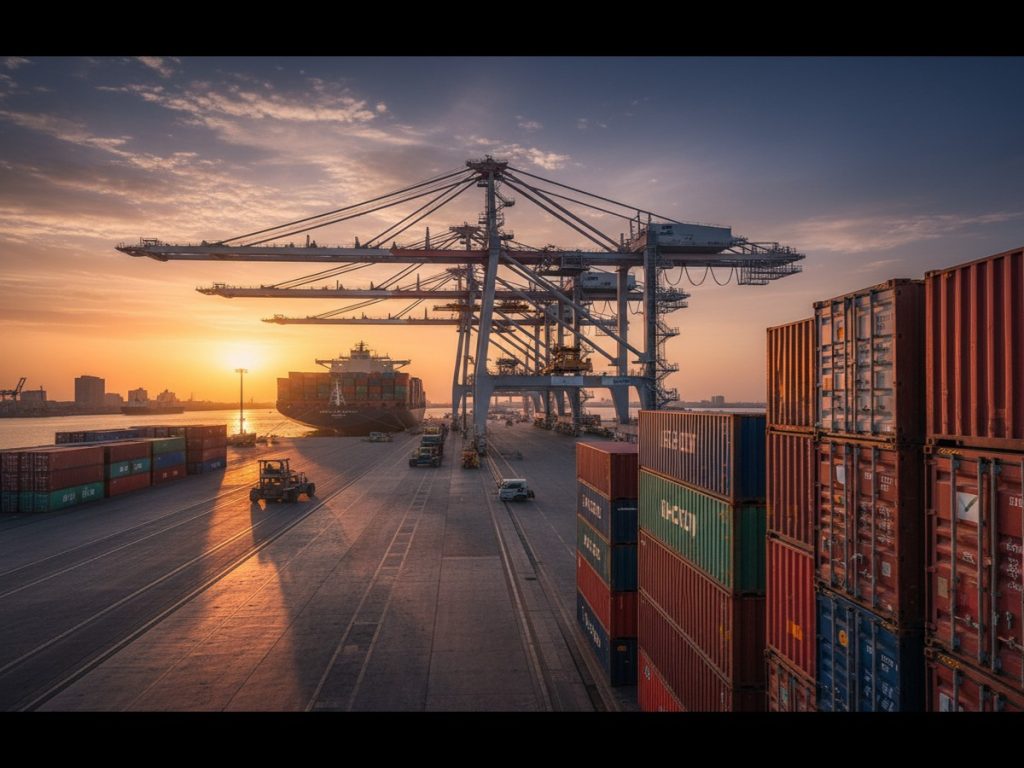
Customs Brokerage
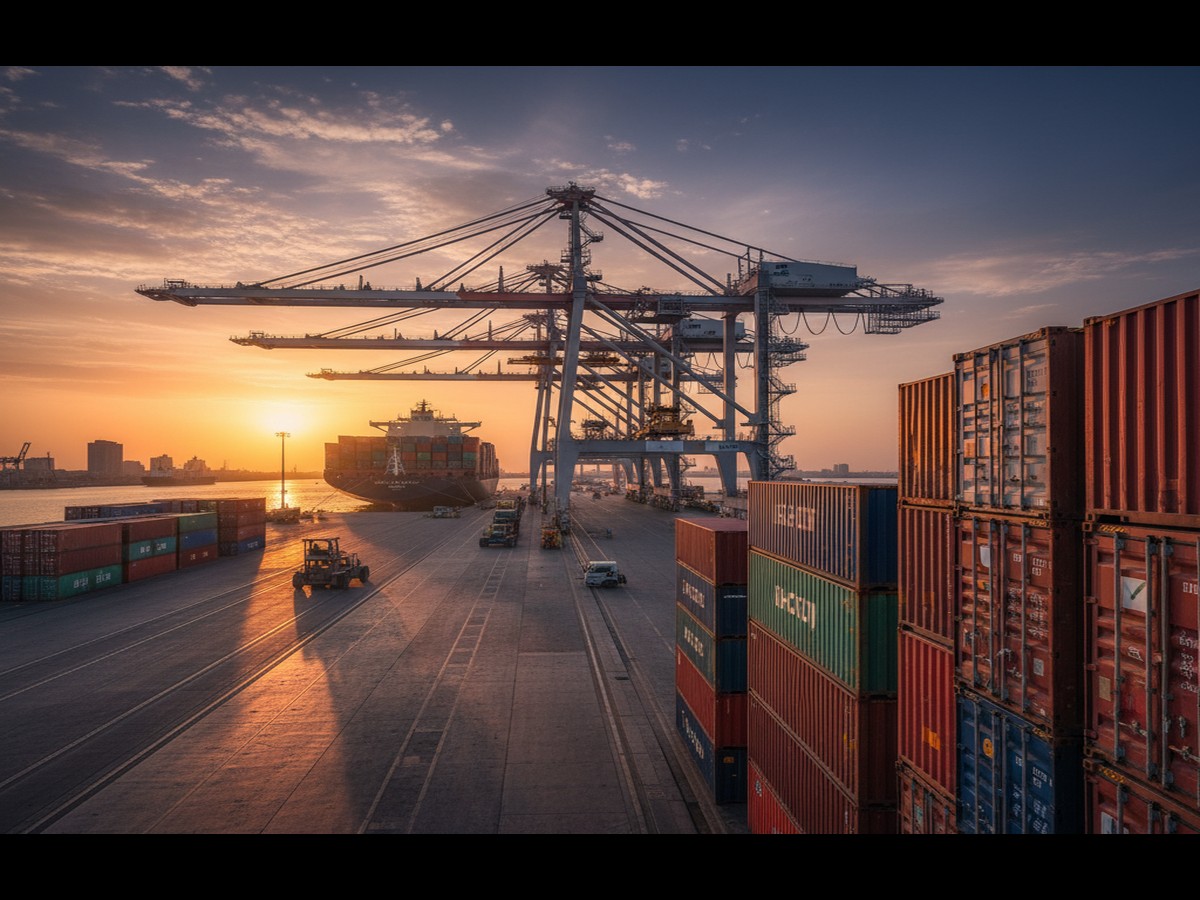
Discover how customs brokerage iraq can transform your logistics operations with Direct Drive Logistics positioned as the indispensable expert partner, simplifying the intricate and often challenging customs brokerage landscape in Iraq, ensuring compliance and efficiency for international businesses. In the complex tapestry of global trade, Iraq presents a market brimming with potential, yet simultaneously layered with unique regulatory hurdles and logistical complexities. For any business looking to import or export goods into or out of this pivotal Middle Eastern nation, navigating the labyrinthine world of customs is not merely a procedural step but a critical determinant of success. Without expert guidance, companies face the daunting prospect of delays, unexpected costs, and severe penalties for non-compliance, which can erode profit margins and damage supply chain integrity. This is precisely where specialized customs brokerage expertise becomes not just beneficial, but absolutely essential. Understanding the nuances of Iraqi law, anticipating changes, and meticulously preparing documentation are tasks that demand deep local knowledge and extensive experience. Direct Drive Logistics stands at the forefront, offering unparalleled insights and services designed to streamline your operations, ensuring your cargo moves efficiently and lawfully across Iraqi borders. This introductory exploration will illuminate the vital role of professional customs brokerage in Iraq, setting the stage for a deeper dive into the specifics that empower businesses to thrive in this dynamic economic environment.
The complexities of international trade are significantly amplified when dealing with a market as distinct and evolving as Iraq. Understanding customs brokerage iraq is essential. Each shipment represents a meticulous dance between various stakeholders, from origin to final destination, with customs authorities playing a pivotal role. A core concept in this process is customs brokerage, which is the profession that involves assisting importers and exporters in meeting government requirements for importing and exporting goods. This includes preparing and submitting documentation, calculating duties and taxes, and facilitating communication with customs authorities to ensure smooth clearance. Without a proficient customs broker, businesses risk misinterpreting tariffs, misclassifying goods, or failing to adhere to specific import/export licenses, leading to costly detentions or even confiscations. Consider the crucial role of a Bill of Lading (BOL), a legal document issued by a carrier to a shipper, detailing the type, quantity, and destination of goods being shipped. It serves as a contract of carriage, a receipt of goods, and a document of title, making its accurate preparation paramount for seamless customs processing. Furthermore, the correct application of the Harmonized System (HS) Code, an internationally standardized system of names and numbers for classifying traded products, is vital. It is used by customs authorities worldwide to identify products and apply appropriate duties and taxes, directly impacting the financial viability of your shipments. These are just a few examples of the intricate details that demand expert attention, highlighting why professional customs brokerage in Iraq is not a luxury, but a necessity for any serious international trader.
This comprehensive guide aims to demystify the intricacies of customs brokerage in Iraq, offering a multi-faceted exploration designed to equip logistics professionals and business owners with actionable insights. We will begin by providing an essential overview of what customs brokerage entails within the Iraqi context, detailing the services and scope of a professional broker. Subsequently, we will delve into the critical reasons why expert customs brokerage is indispensable for seamless Iraq-bound shipments, examining the potential pitfalls of attempting to navigate this landscape without specialized assistance. A significant portion of our discussion will be dedicated to unraveling the key customs regulations and import/export laws governing trade in Iraq, including the specific documentation required for importing goods, such as commercial invoices, packing lists, and certificates of origin. We will then walk through the step-by-step customs clearance process in Iraq, from the moment cargo arrives at a port or border crossing to its final release. Crucially, we will dissect the complex landscape of customs duties, taxes, and fees prevalent in the Iraqi market, providing clarity on how these costs are calculated and applied. Special attention will also be given to the unique considerations and procedures for customs within the Kurdistan Region, acknowledging its distinct regulatory framework. Understanding customs clearance, which involves the process of preparing and submitting documentation required to import or export goods into or out of a country, is fundamental. It ensures that all duties, taxes, and fees are paid, and that the shipment complies with all national regulations. Moreover, the role of freight forwarding, a service provided by companies that organize shipments for individuals or corporations to get goods from the manufacturer or producer to a market, customer, or final point of distribution, is intrinsically linked, as brokers often work hand-in-hand with forwarders to ensure end-to-end efficiency. We will also address common challenges and potential pitfalls, offering strategies to overcome them, before providing clear criteria for choosing the right customs broker for your Iraq operations. Finally, we will illustrate how Direct Drive Logistics specifically streamlines your customs brokerage in Iraq, leveraging technology and expertise, and offer a future outlook on emerging trends shaping Iraq’s trade and logistics environment, all aimed at ensuring compliance and efficiency for your Iraq supply chain success.
The Critical Role of Customs Brokerage in Iraq's Logistics Landscape
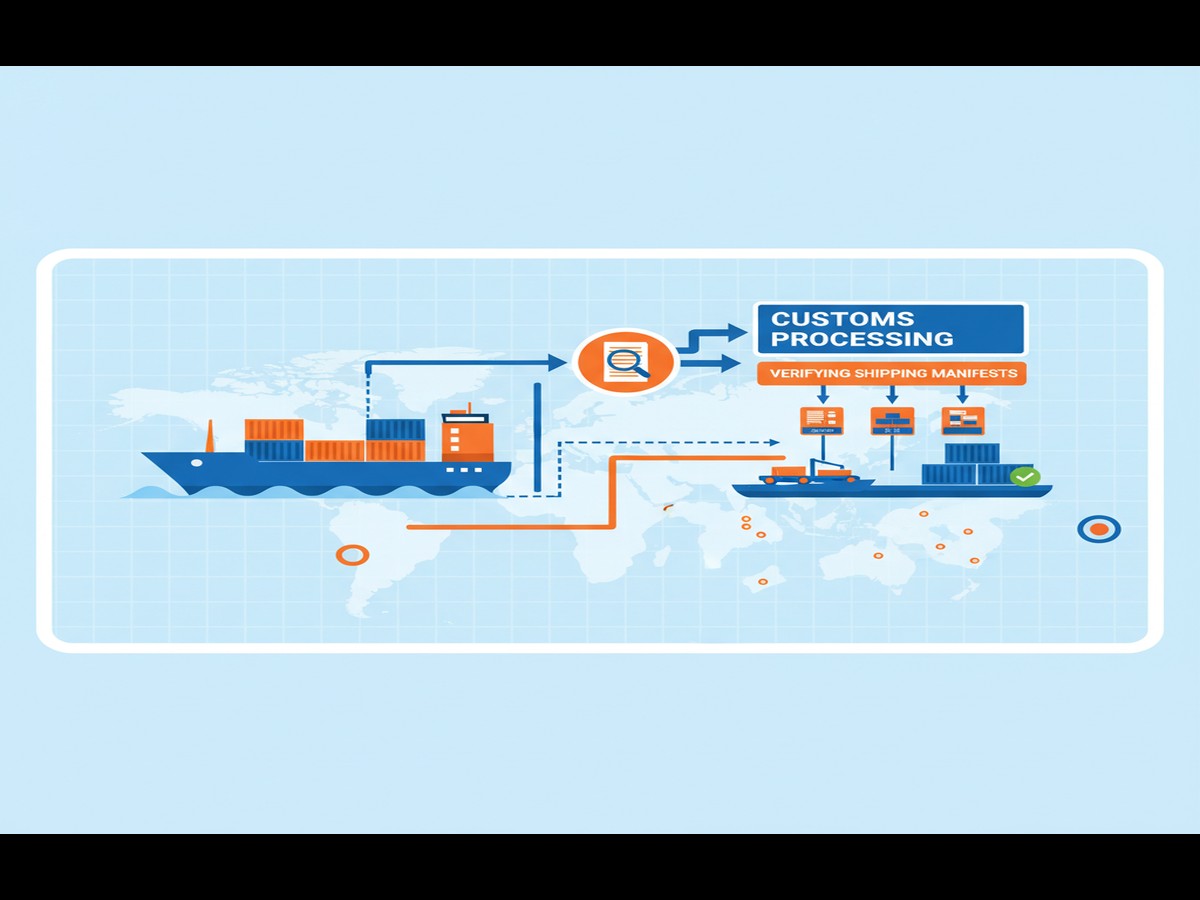
The Critical Role of Customs Brokerage in Iraq’s Logistics Landscape
Iraq’s strategic geographical position makes it a vital hub for regional trade and logistics. However, navigating its complex import and export environment demands specialized expertise. Here at Direct Drive Logistic, we understand that effective business in Iraq hinges on seamless customs processes. Therefore, professional customs brokerage in Iraq is not merely a service; it is an indispensable component for ensuring smooth supply chain operations, avoiding costly delays, and maintaining regulatory compliance. Furthermore, with evolving trade policies and security considerations, the role of an expert broker becomes even more critical for businesses looking to thrive in this dynamic market.
Key Aspects of Critical Role of Customs Brokerage in Iraq’s Logistics Landscape
The primary function of customs brokerage extends far beyond simply submitting paperwork. Firstly, it involves meticulous adherence to Iraq’s specific import/export regulations, which can be intricate and subject to frequent updates. A proficient customs broker manages tariff classification, ensuring goods are correctly categorized to minimize duties and taxes while preventing penalties. Moreover, they handle all necessary documentation, from commercial invoices and packing lists to certificates of origin and specific permits required for various commodities. This proactive management significantly reduces the risk of shipments being held up at border crossings or ports, which is crucial for maintaining tight delivery schedules. Consequently, expert brokers act as a crucial intermediary, bridging the gap between international traders and Iraqi customs authorities.
Best Practices for Critical Role of Customs Brokerage in Iraq’s Logistics Landscape
To truly excel, customs brokerage in Iraq must adopt several best practices. Firstly, leveraging deep local knowledge is paramount. This includes an understanding of regional nuances, cultural considerations, and established working relationships with local authorities. Secondly, the implementation of advanced technology for tracking, documentation, and communication streamlines processes and enhances transparency. For instance, digital platforms can provide real-time updates on shipment status and compliance requirements. Additionally, proactive communication with clients about potential challenges or changes in What is a Customs Broker in Iraq? Services & Scope
A customs broker in Iraq acts as an essential intermediary, facilitating the smooth movement of goods across the nation’s borders. Given Iraq’s complex regulatory landscape, these specialized professionals are indispensable for businesses engaged in import and export. They possess in-depth knowledge of local customs laws, tariffs, and documentation requirements, ensuring compliance and preventing costly delays for Customs Clearance Iraq. Navigating the intricate landscape of Iraqi customs regulations requires specialized knowledge and meticulous attention to detail. For businesses involved in cross-border trade, understanding the legal framework, calculating applicable duties, and preparing precise documentation are critical steps. Iraq’s customs environment, shaped by its economic development and security considerations, presents unique challenges that necessitate expert guidance, often provided by a professional customs clearance Iraq service. Iraq’s import and export activities are primarily governed by the Iraqi General Commission of Customs, operating under the Ministry of Finance. Key legislation and decrees outline the procedures, prohibitions, and compliance requirements for goods entering or leaving the country. Importers must be aware of specific restrictions, which can include controls on dual-use items, certain chemicals, pharmaceuticals, and agricultural products. Furthermore, cultural artifacts and items of historical significance face strict export controls. Adherence to these laws is not optional; non-compliance can lead to significant delays, fines, or even seizure of goods. Therefore, staying updated on the latest amendments and specific sector regulations is paramount for smooth operations. Determining the correct tariffs and taxes for imports into Iraq is a complex process. The calculation typically relies on the Harmonized System (HS) codes, which classify goods internationally. Iraq applies customs duties that vary significantly based on the product category. Beyond the basic customs duty, importers frequently encounter additional taxes such as a sales tax, which is often applied to the CIF (Cost, Insurance, Freight) value plus the customs duty. Specific goods might also incur excise taxes. The customs valuation method in Iraq generally follows the WTO Valuation Agreement, primarily using the transaction value. Errors in classification or valuation can result in incorrect duty assessments, leading to delays and potential penalties. Accurate calculation is essential for budgeting and avoiding unexpected costs. Seamless customs clearance in Iraq hinges on the submission of comprehensive and accurate documentation. Essential documents typically include the commercial invoice, detailing the transaction; a packing list, outlining the contents of each package; and the bill of lading or air waybill, serving as the contract of carriage. A certificate of origin is also crucial, verifying where the goods were produced. Depending on the nature of the goods, specific permits or import licenses may be mandatory. For example, food products, medical supplies, or certain industrial equipment often require pre-approval from relevant ministries. Additionally, a customs declaration form must be accurately completed and submitted. Any discrepancy or missing document can halt the entire process, underscoring the value of a meticulous approach to paperwork and expert customs support. Get a free quote from Direct Drive Logistic today. Fast, secure, and professional logistics solutions tailored to your needs. Navigating the intricacies of customs clearance in Iraq presents a unique set of challenges for businesses engaged in international trade. From geopolitical factors to operational hurdles, understanding these pitfalls is crucial for ensuring smooth and compliant cargo clearance. Direct Drive Logistic specializes in providing expert customs brokerage Iraq services, helping clients overcome these obstacles efficiently. One of the most significant hurdles in Iraqi customs clearance is the dynamic and often complex regulatory landscape. Iraq’s trade regulations are subject to frequent changes, influenced by evolving security protocols, economic instability, and shifts in government policy. Consequently, what was valid documentation last month might be outdated this month, leading to unexpected delays and potential penalties if not properly managed. Furthermore, the specific documentation requirements for imports can be extensive and demand meticulous attention to detail. Importers must contend with various permits, certificates of origin, commercial invoices, packing lists, and sometimes even pre-inspection certificates, all of which must be precisely prepared and submitted. Misinterpretations or errors can result in significant compliance risks, including fines, cargo seizure, or extended holding periods at border control points. Understanding the nuances of import duties and tariffs, which can also fluctuate, is equally vital for accurate cost forecasting and avoiding unexpected charges. An experienced customs broker acts as a critical guide through this labyrinth, ensuring all paperwork aligns with the latest decrees. Beyond regulatory complexities, the operational efficiency of customs processes can be a major source of delays. In many instances, bureaucratic hurdles and fragmented procedures across different government agencies contribute to slow processing times. This can lead to significant supply chain disruptions and increased costs for businesses relying on timely delivery. For instance, the coordination between port authorities, customs officials, and other regulatory bodies can sometimes lack seamless integration, causing bottlenecks in cargo clearance. Mitigating these logistics challenges requires a proactive approach and deep understanding of local operations. Effective customs procedures and thorough risk assessment are paramount. This includes anticipating potential issues, preparing contingency plans, and leveraging local expertise to expedite processes. Direct Drive Logistic employs strategies that streamline interactions with customs officials, ensuring all submissions are accurate and complete the first time. Our proactive approach to freight forwarding and customs management minimizes the impact of these inefficiencies, enabling smoother trade facilitation and more predictable transit times for your shipments into and out of Iraq. Selecting the optimal customs broker is a strategic decision for any business engaged in international trade with Iraq. Given the complexities of the region, partnering with an expert can significantly streamline your supply chain, mitigate risks, and ensure compliance. This section provides practical criteria for evaluating and choosing a reliable and effective customs brokerage partner for your operations in Iraq. The Iraqi market presents unique challenges and opportunities, making specialized knowledge indispensable. Your chosen customs brokerage partner must possess profound expertise in Iraqi customs regulations, including the latest tariff codes, import/export restrictions, and documentation requirements. Furthermore, they should understand the local market nuances, such as cultural business practices, regional variations, and specific port procedures. A broker with a strong local presence or established partnerships can navigate these intricacies more effectively, preventing delays and unexpected costs. They should be well-versed in handling diverse cargo types and understanding specific commodity classifications relevant to Iraq’s economy, from industrial equipment to consumer goods. This deep understanding ensures smooth customs clearance Iraq. Beyond basic clearance, assess the full spectrum of services offered by potential brokers. Look for partners who provide comprehensive solutions, including bonded warehousing, freight forwarding coordination, duty drawback programs, and advisory services on trade compliance. Modern customs brokerage firms leverage advanced technology for efficient data exchange, real-time tracking, and automated documentation processing. This technological integration can significantly enhance transparency and speed within your supply chain Iraq. Equally important is their communication efficiency. A reliable broker will offer clear, proactive, and timely updates on your shipments, ensuring you are always informed about their status and any potential issues. They should also provide dedicated account management, fostering a strong, responsive working relationship. Before committing, thoroughly vet the broker’s reputation within the logistics and transportation industry. Seek out client testimonials, case studies, and references that speak to their track record in handling customs brokerage Iraq successfully. A reputable firm will openly share their success stories and demonstrate a commitment to customer satisfaction. Crucially, verify their strict adherence to compliance standards. In a region with evolving regulations, a broker’s integrity and commitment to ethical practices are paramount. Inquire about their internal compliance protocols, risk management strategies, and how they stay updated on changes in Iraqi trade laws. Partnering with a compliant and reputable broker safeguards your business against penalties, delays, and reputational damage, ensuring a secure and efficient flow of goods. Navigating the complexities of Kurdistan customs clearance can be a significant hurdle for businesses looking to expand their reach in this vital market. Direct Drive Logistics stands as your dedicated partner, offering integrated customs brokerage solutions designed to simplify and accelerate your shipments into and out of Iraq. Our deep understanding of local regulations, coupled with our global logistics expertise, provides a distinct advantage, transforming potential obstacles into seamless operational flows. We aim to minimize delays and optimize your supply chain, ensuring predictable and efficient trade. Our comprehensive approach to customs brokerage Iraq is built on several core pillars. First, we provide Iraq’s economic landscape is continually evolving, driven by ambitious reconstruction efforts and a renewed focus on diversifying its economy beyond oil. This dynamic environment presents both opportunities and complexities for international trade and logistics. Understanding the future outlook and adopting robust best practices are paramount for businesses aiming for sustained success in the Iraqi market. Direct Drive Logistic remains at the forefront, navigating these shifts to ensure seamless operations for our clients. The future of Iraqi trade is poised for significant transformation, largely influenced by several key factors. Firstly, **infrastructure development** projects, such as the ambitious Development Road, promise to revolutionize connectivity, linking Iraq more efficiently to regional and international markets. This will dramatically improve transit times and reduce logistics costs. Secondly, there’s a growing push towards **digitalization** within government agencies, aiming to streamline customs procedures and enhance transparency. This includes potential for electronic document submission and integrated tracking systems, which will directly impact the efficiency of customs brokerage Iraq services. Furthermore, regulatory frameworks are expected to undergo refinements to align with international trade standards, fostering a more predictable and investor-friendly environment. As a result, companies must prepare for changes in import/export duties, licensing requirements, and compliance protocols. The emphasis will increasingly be on **trade facilitation** and reducing bureaucratic bottlenecks, which is crucial for accelerating cargo movement and enhancing overall **supply chain efficiency**. To thrive amidst these changes, businesses must adopt several key best practices. Proactive **regulatory compliance** is essential; staying informed about impending changes in customs laws and tariffs can prevent costly delays and penalties. Developing strong, reliable partnerships with experienced local agents and logistics providers, like Direct Drive Logistic, is invaluable. These partners offer critical insights into local nuances and can adeptly navigate complex administrative processes. Moreover, embracing technology for logistics management, such as advanced tracking systems and data analytics, will optimize operations and provide greater visibility into the supply chain. Investing in staff training to understand evolving customs requirements and digital tools is also crucial. Finally, maintaining flexibility and adaptability in logistics strategies allows businesses to quickly respond to unforeseen challenges or capitalize on new opportunities arising from Iraq’s economic growth. Despite the positive outlook, several challenges persist that require careful consideration. Bureaucratic hurdles, while improving, can still lead to processing delays, underscoring the need for expert **customs brokerage Iraq** services. Security concerns, though localized, necessitate robust risk management strategies for cargo transit. Furthermore, the pace of **infrastructure development** can be uneven, leading to varying levels of road quality and port efficiency across different regions. The evolving regulatory landscape itself, while beneficial in the long run, can present short-term challenges as businesses adapt to new requirements. Ensuring consistency in interpretation and application of new laws across different customs points remains a focus. Successfully mitigating these challenges requires a deep understanding of the local context, strategic planning, and agile operational execution. Customs brokerage in Iraq involves managing the import/export process, ensuring compliance with Iraqi Customs laws and regulations. It's crucial because navigating complex tariffs, documentation, and procedures without expert guidance can lead to significant delays, penalties, or even seizure of goods. A proficient customs brokerage Iraq service ensures seamless cargo flow and legal adherence. A professional customs brokerage Iraq service streamlines operations by expertly handling all documentation, calculating duties/taxes, and liaising directly with Iraqi Customs. This proactive approach minimizes errors, accelerates clearance times, and prevents costly demurrage or storage fees. Our expertise ensures your supply chain remains efficient and compliant from origin to destination. Essential documents for Iraq customs clearance typically include the Commercial Invoice, Packing List, Bill of Lading (B/L) or Air Waybill (AWB), Certificate of Origin, and an Import License. Depending on the goods, additional permits from ministries like Health or Industry may be required. Accurate and complete documentation is paramount. Customs clearance in Iraq generally takes 3-7 business days, but this can vary. Factors influencing the timeframe include document accuracy, cargo type (e.g., dangerous goods take longer), port congestion, inspection requirements, and the specific customs point. Proactive preparation and expert customs brokerage significantly reduce potential delays. Direct Drive Logistics offers over 15 years of specialized experience in Iraq and Kurdistan. Our deep understanding of local regulations, strong relationships with customs officials, and proactive problem-solving ensure efficient and compliant customs brokerage Iraq. We mitigate risks, optimize costs, and provide transparent communication throughout your shipment’s journey. The cost for customs brokerage in Iraq varies based on cargo type, value, and required services. Primary components include brokerage service fees, import duties, taxes (e.g., VAT), port charges, and potential inspection fees. We provide transparent, itemized quotes to ensure clarity on all associated costs before shipment. In summary, navigating the intricate world of customs in Iraq is far from simple. From ever-evolving regulations to demanding documentation and the constant threat of delays, effective customs brokerage is not merely a convenience; it's a strategic imperative for Navigate the complexities of Iraqi customs effortlessly with Direct Drive Logistics.
Direct Drive Logistic What is a Customs Broker in Iraq? Services & Scope
Customs Brokerage Iraq Navigating Iraqi Customs Regulations, Duties & Documentation
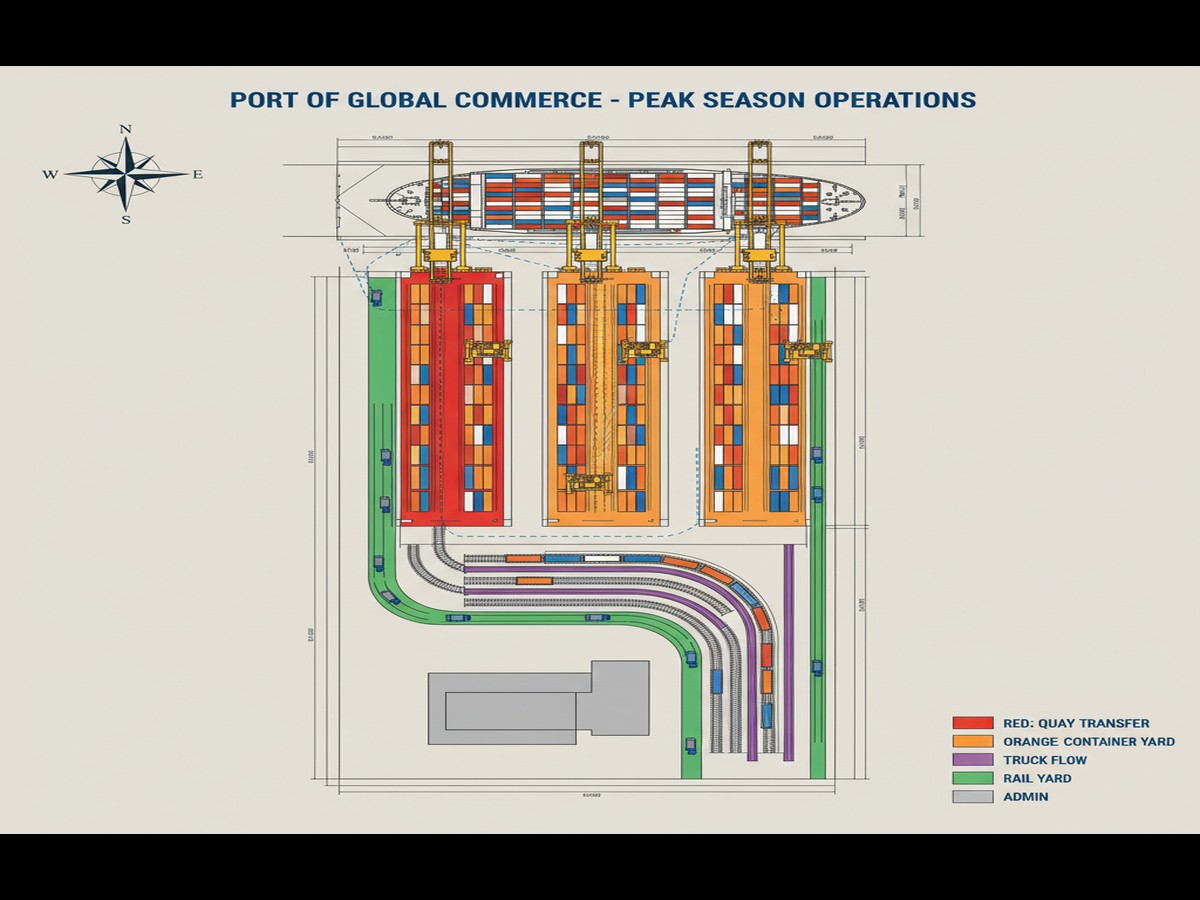
Navigating Iraqi Customs Regulations, Duties & Documentation
Understanding Key Iraqi Import/Export Laws, Restrictions, and Compliance
Calculating Applicable Tariffs, Taxes, and Other Importation Duties for Iraq
Essential Documentation, Permits, and Declarations for Seamless Customs
Need Reliable Delivery Services?
Common Challenges and Pitfalls in Iraqi Customs Clearance
Common Challenges and Pitfalls in Iraqi Customs Clearance
Navigating Complex and Frequently Changing Regulatory Frameworks and Documentation
Mitigating Delays Caused by Inefficient Processes
Customs Brokerage Iraq How to Choose the Right Customs Broker for Iraq
How to Choose the Right Customs Broker for Iraq
Prioritize Brokers with Deep Expertise in Iraqi Customs Regulations and Local Market Nuances
Evaluate Their Comprehensive Service Offerings, Technology Integration, and Communication Efficiency
Verify Their Industry Reputation, Client Testimonials, and Strict Adherence to Compliance Standards
The Direct Drive Logistics Advantage: Streamlining Your Iraqi Shipments
The Direct Drive Logistics Advantage: Streamlining Your Iraqi Shipments
Key Aspects of Direct Drive Logistics Advantage: Streamlining Your Iraqi Shipments
Future Outlook and Best Practices for Iraqi Trade
Future Outlook and Best Practices for Iraqi Trade
Key Aspects of Future Outlook and Best Practices for Iraqi Trade
Best Practices for Future Outlook and Best Practices for Iraqi Trade
Common Challenges in Future Outlook and Best Practices for Iraqi Trade
Frequently Asked Questions
▼ What is customs brokerage in Iraq and why is it crucial for my shipments?
▼ How does a professional customs brokerage Iraq service streamline my logistics operations?
▼ What specific documents are required for customs clearance when importing goods into Iraq?
▼ How long does customs clearance typically take for cargo entering Iraq, and what factors influence this timeframe?
▼ Why choose Direct Drive Logistics for expert customs brokerage in Iraq?
▼ How much does customs brokerage in Iraq cost, and what are the primary components of these fees?
Conclusion
📞 Contact Us for a Consultation
Location
MRF Quattro towers, Block A-29-1
Erbil, Kurdistan Region