
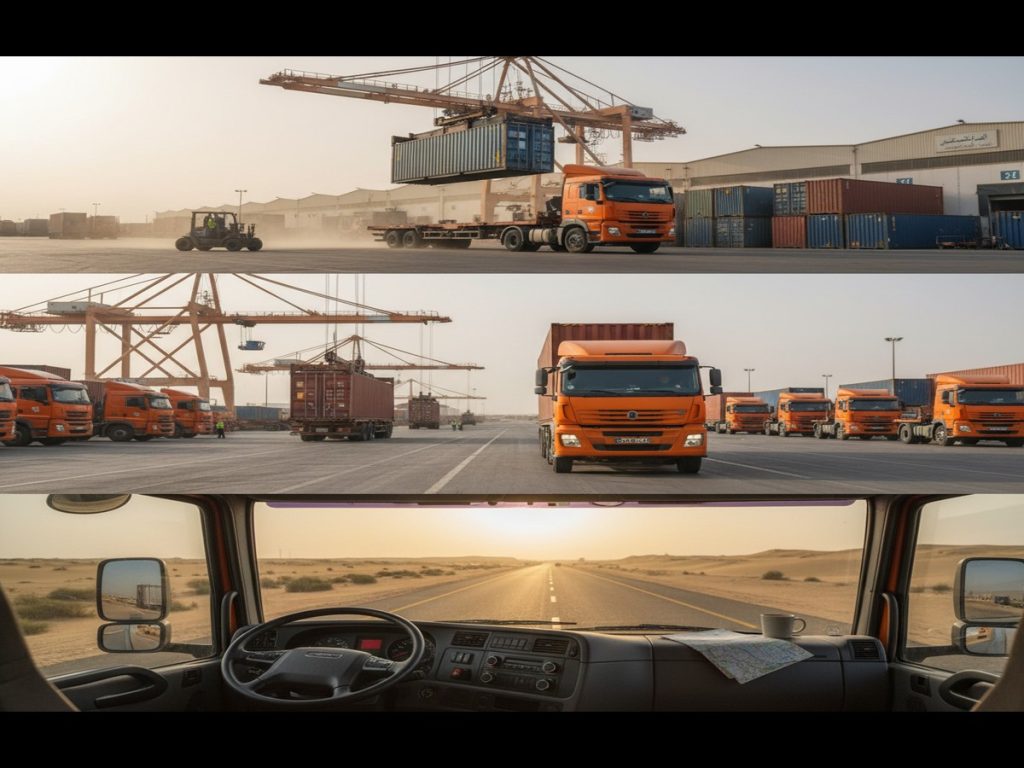
Comparing Shipment Methods – Complete Guide 2025 |…

Discover how comparing shipment methods can transform your logistics operations with this article providing a comprehensive, regionally-focused guide to comparing shipment methods, offering actionable insights for businesses operating in or with Iraq and Kurdistan, emphasizing cost, speed, and reliability tailored to local market conditions. As businesses navigate the complexities of global trade, the choice of shipment method can significantly impact their operational efficiency, customer satisfaction, and overall profitability.
Understanding the intricacies of various shipment methods is essential for logistics professionals and business owners alike. Understanding comparing shipment methods is essential. The logistics landscape is rapidly evolving, driven by technological advancements and changing consumer expectations. With the rise of e-commerce and international trade, companies are faced with the challenge of selecting the right shipping solutions to meet their diverse needs. This comprehensive guide explores comparing shipment methods through multiple perspectives, ensuring that readers are well-equipped to make informed decisions.
We will delve into a variety of critical topics, starting with an overview of the landscape of shipment methods. When it comes to comparing shipment methods, expertise matters. This section will introduce you to various options, including air freight, sea freight, and road freight, each with its unique advantages and drawbacks. Next, we will discuss key factors influencing your shipment method choice, emphasizing a strategic approach tailored to the specific needs of your business. Factors such as cost, speed, and reliability will be examined in detail, enabling you to weigh the pros and cons effectively.
Air freight, known for its speed and security, will be highlighted, showcasing scenarios where it becomes the optimal solution for urgent shipments. Effective comparing shipment methods requires careful planning. Conversely, sea freight will be explored as a cost-effective option for large volumes, especially for businesses with a global reach. Road freight will also be discussed, illustrating its flexibility and accessibility for regional cargo services in Iraq, where infrastructure and local conditions may influence logistics operations.
In addition to traditional methods, we will examine multimodal and intermodal solutions, which combine the strengths of various transportation modes for complex routes. In the context of comparing shipment methods, several factors apply. These approaches can often provide enhanced efficiency and cost savings. We will also provide a comprehensive cost-benefit analysis of freight rates in Baghdad and beyond, enabling readers to understand the true cost of shipping. Understanding freight forwarding—the process of organizing shipments through carriers—will be crucial in navigating this landscape.
Furthermore, we will focus on the intricacies of import and export processes in Erbil, highlighting method selection for regional trade success. Choosing the right transport company in Iraq is another critical aspect that will be covered, as selecting a reliable partner can significantly impact your logistics solutions. Advanced logistics solutions in Kurdistan will also be discussed, showcasing how leveraging technology can lead to optimal shipments and more efficient operations.
As we progress, we will decode commercial shipment methods, providing a detailed overview of the various options available. This will include insights into pricing models and hidden fees that can affect your shipping costs. For instance, understanding customs clearance, which involves preparing and submitting documentation for goods entering or leaving a country, is essential for avoiding delays and additional expenses. We will also address the importance of reliability and tracking, as businesses increasingly demand visibility into their supply chains.
The article will culminate in a strategic framework for comparing shipment methods, providing you with the tools necessary to make informed decisions based on your specific business needs. By understanding the right fit for your shipments, you can optimize your logistics operations and enhance customer satisfaction. Beyond mere comparison, we will explore how technology and logistics software can facilitate shipment method comparisons and optimization, making your logistics processes more efficient.
In conclusion, this guide aims to fill the content gaps often overlooked by competitors, offering a thorough examination of shipment methods and their implications for businesses operating in Iraq and Kurdistan. By addressing aspects such as cost factors, transit times, reliability, and risk assessment, we strive to provide a definitive resource for those looking to enhance their logistics operations. As we embark on this journey through the world of comparing shipment methods, you will gain actionable insights that can lead to improved decision-making and operational success.
Decoding Commercial Shipment Methods: A Comprehensive Overview
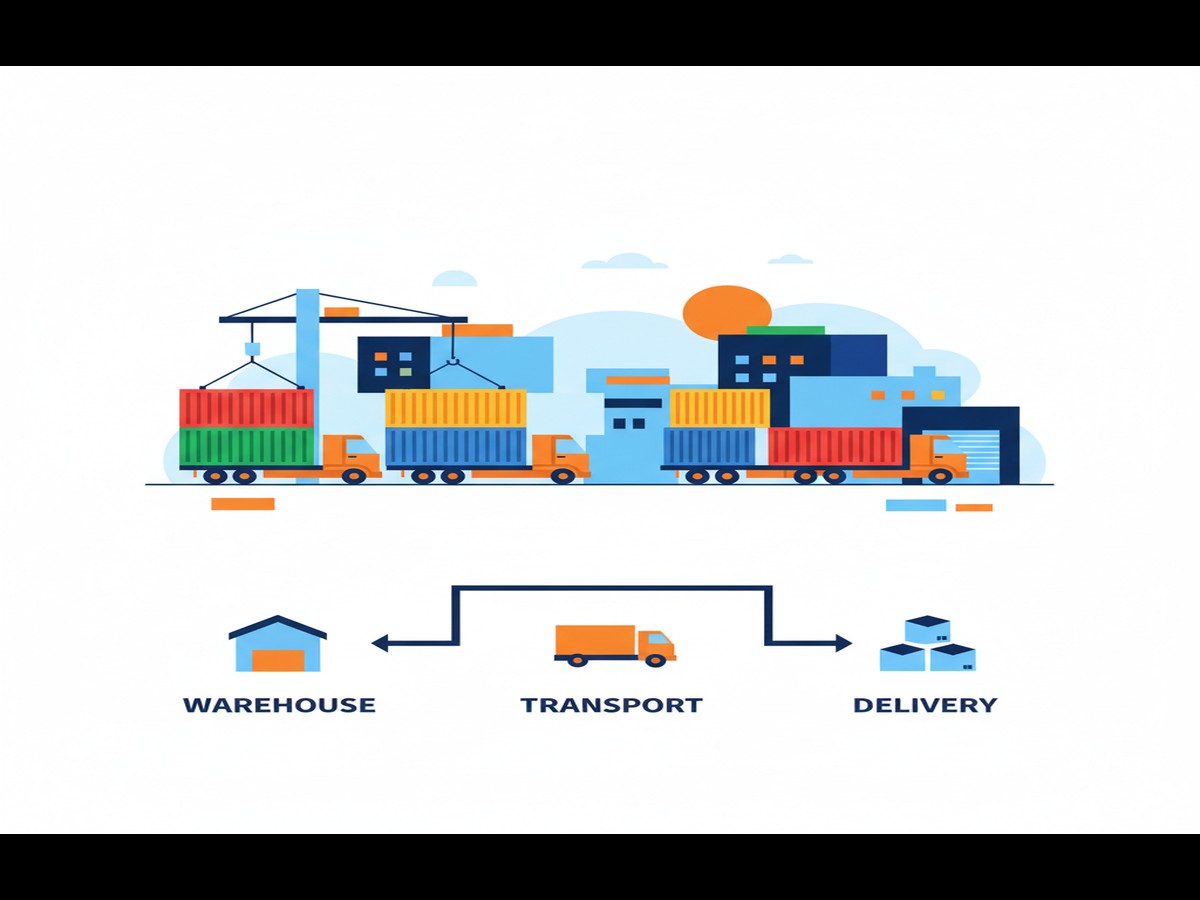
Exploring Core Modalities: Air, Ocean, Road, and Rail Freight Options
When comparing shipment methods, it’s essential to understand the unique characteristics of each freight modality. In Iraq, air freight is gaining traction due to a remarkable 14.1% growth in the e-commerce market in 2023, significantly outpacing the global average of 9.6%. This surge is driving demand for air freight services, particularly through Baghdad International Airport (BGW), which handles 60-70% of air cargo, focusing on high-value and perishable goods.
In contrast, ocean freight remains a viable option for bulk shipments, particularly through ports like Umm Qasr and Khor Al-Zubair. However, the flexibility of road freight allows for easier access to regional markets, making it an attractive alternative for shipments between major cities such as Baghdad and Erbil. Therefore, while air freight offers speed, road freight provides flexibility and accessibility.
Key Considerations for Method Selection: Cost, Speed, Capacity, and Cargo Type
Cost and speed are critical factors when comparing shipment methods. Air freight, while generally more expensive, is often necessary for urgent deliveries. Iraq’s air freight market is projected to grow at a 7.6% CAGR through 2030, potentially reaching $250-350 million annually. This growth is fueled by reconstruction efforts and trade agreements, influencing how businesses approach logistics.
On the other hand, ocean and road freight offer cost advantages for larger shipments. Road freight is particularly beneficial for less-than-truckload (LTL) shipments within Iraq, where customs delays can affect speed. For example, key routes like those from Baghdad to Sulaymaniyah are strategically important for logistics, balancing cost and efficiency.
Optimizing Logistics: Balancing Efficiency and Economy for Strategic Commercial Shipping
In optimizing logistics, businesses must consider the evolving demand for specialized cargo. With the rise of temperature-controlled shipments, particularly for pharmaceuticals, air freight is becoming increasingly crucial. The establishment of facilities like Dnata’s 10,000-ton cool chain in Iraq highlights the focus on specialized logistics. In 2023, Iraq handled 17,100 tonnes of air cargo, ranking it 103rd globally.
Additionally, technology plays a vital role in logistics optimization. Real-time tracking and AI-driven route optimization are emerging trends, enhancing the efficiency of air freight operations. Therefore, businesses must evaluate their shipping needs and consider integrating these technologies to improve their logistics strategies.
The True Cost of Shipping: Unveiling Pricing Models & Hidden Fees
Key Aspects of True Cost of Shipping
When comparing shipment methods, understanding the true cost of shipping is crucial. The Iraq logistics market, specifically air freight, is projected to reach between USD 250-350 million annually by 2030, growing at a **7.6% CAGR**. This growth is driven by various factors, including reconstruction efforts and trade agreements. Therefore, knowing the pricing models and potential hidden fees can significantly impact your logistics strategy.
Common pricing models include flat rates, dimensional weight pricing, and weight-based pricing. For instance, air freight often charges based on the greater of the actual weight or the dimensional weight, which can lead to unexpected costs if your cargo is bulky but light, making the right types of packaging crucial. Additionally, customs duties and accessorial fees can add layers of complexity when comparing shipment methods, particularly for international shipments.
Best Practices for True Cost of Shipping
To optimize costs while comparing shipment methods, businesses should implement several best practices. Firstly, accurately calculating the total landed cost, which includes shipping, customs duties, and any additional fees, ensures that you are aware of the complete expense involved. For example, air freight is preferable for high-value and perishable goods, especially with Iraq’s e-commerce market growing **14.1%** in 2023, outpacing global rates.
Additionally, leveraging technology for real-time tracking and AI route optimization, as seen with operators like Mateen Express, can help streamline operations and reduce costs. By utilizing these technologies, you can enhance your supply chain efficiency and improve customer satisfaction. Moreover, understanding the specific regulations and customs procedures in Iraq, such as compliance with ICAO standards, is essential for avoiding delays and additional charges.
Common Challenges in True Cost of Shipping
Despite the benefits, there are challenges when comparing shipment methods. Customs delays can be particularly problematic, especially on routes like **Baghdad-Erbil**. Road freight may dominate regional cargo due to its flexibility, but it often faces bureaucratic hurdles that can increase shipping times and costs. For instance, air freight in Iraq hit **17,100 tonnes** in 2023, which indicates a strong reliance on air transport for urgent shipments, yet ground transport remains an essential component.
Moreover, the rising demand for temperature-controlled shipments adds another layer of complexity. As seen with Dnata’s new cargo warehouse expansion, accommodating such specialized cargo requires understanding the costs associated with maintaining specific conditions during transit. Therefore, businesses must be proactive in identifying and mitigating these challenges to achieve cost-effective logistics solutions.
Comparing Shipment Methods Speed, Certainty & Visibility: Comparing Transit Times, Reliability & Tracking
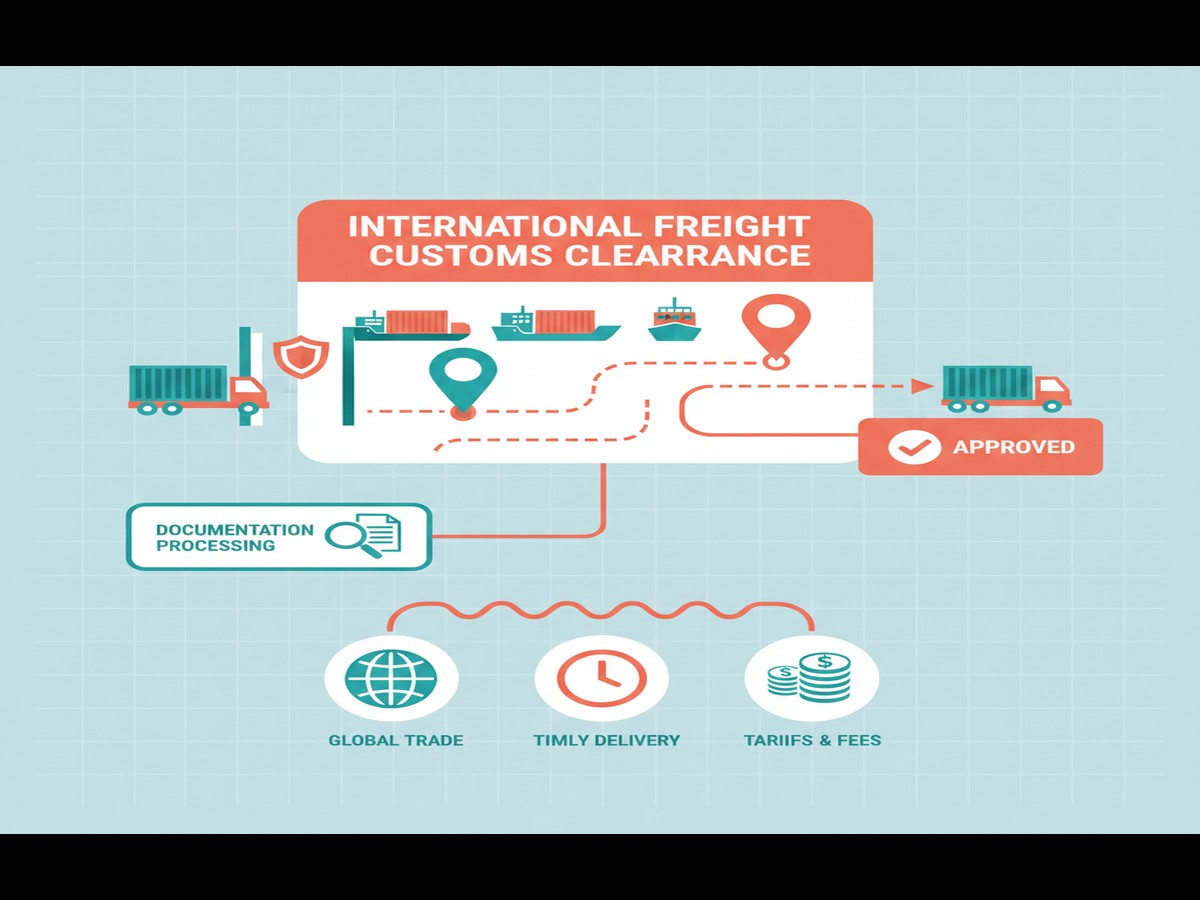
Optimizing Transit Times: Balancing Urgency with Cost-Effectiveness Across Shipping Methods
When comparing shipment methods in Iraq, the urgency of delivery plays a crucial role. The air freight market is projected to grow at a 7.6% CAGR through 2030, with revenues expected to reach between USD 250-350 million annually. This growth is largely driven by the increasing demand for fast air cargo services, especially in major hubs like Baghdad and Erbil. In fact, Iraq’s e-commerce market surged by 14.1% in 2023, significantly higher than the global average of 9.6%, pushing for quicker delivery options to accommodate time-sensitive goods.
Air freight, especially through Baghdad International Airport (BGW), which handles 60-70% of air cargo, is ideal for high-value items such as electronics and pharmaceuticals. However, costs can be significantly higher than road freight, which offers flexibility and lower rates. Therefore, businesses must carefully consider the trade-off between speed and cost when comparing shipment methods.
Ensuring Delivery Certainty: Assessing Reliability and On-Time Performance of Carriers
Reliability is another critical factor when comparing shipment methods. Air freight in Iraq offers the fastest transit times, but it comes with its own set of challenges, including potential delays due to weather or customs clearance Baghdad. In contrast, road freight, while slower, can provide more consistent delivery schedules, particularly for regional routes between Baghdad and Erbil.
In 2023, air freight volumes in Iraq reached 17,100 tonnes, ranking the country 103rd globally in air cargo capacity. This statistic underscores the growing importance of air transport in Iraq’s logistics landscape. However, with the increasing air cargo demand, carriers must enhance their reliability metrics to ensure timely deliveries, especially for urgent shipments.
Maximizing Shipment Visibility: Leveraging Real-Time Tracking and Proactive Communication
Visibility in shipment tracking is becoming essential for logistics operations in Iraq. Companies like Mateen Express are leading the way in adopting technology for real-time tracking and AI route optimization. These advancements are crucial for maintaining transparency and improving communication with clients, particularly in an environment where bureaucratic hurdles can complicate Baghdad customs clearance.
As Iraq’s air freight market expands, the integration of advanced tracking solutions will be vital in enhancing customer trust. In Kurdistan, where multimodal transport options are prevalent, combining air and road logistics can handle specific needs, such as humanitarian aid and e-commerce deliveries. Therefore, ensuring visibility while comparing shipment methods will be a key factor for businesses looking to thrive in this evolving market.
Need Reliable Delivery Services?
Get a free quote from Direct Drive Logistic today. Fast, secure, and professional logistics solutions tailored to your needs.
The Right Fit: A Suitability Matrix for Optimal Method Selection
Key Aspects of Optimal Method Selection for Iraq Logistics
When comparing shipment methods for your cargo in Iraq and Kurdistan, understanding the nuances of each mode is crucial for efficiency and cost-effectiveness. The rapid growth of Iraq’s e-commerce market, which expanded by an impressive 14.1% in 2023, significantly outpaced the global rate of 9.6% according to [industry reports]. Therefore, this surge directly influences the demand for expedited delivery services, particularly for high-value goods like electronics and pharmaceuticals. For time-sensitive regional trade, especially from hubs like Baghdad and Erbil, air freight via Baghdad International Airport (BGW) often becomes the preferred choice over slower road options from borders such as Ibrahim Khalil.
Additionally, the nature of your import export procedures Iraq dictates the best approach. Perishable items, for instance, benefit immensely from air freight’s speed. In fact, demand for temperature-controlled air shipments is surging, supported by facilities like Dnata’s 10,000-ton cool chain in Iraq. However, for bulk volumes or less urgent cargo, sea freight via Umm Qasr port or Khor Al-Zubair offers a more economical solution. This careful process of comparing shipment methods ensures your goods arrive on time and within budget.
Best Practices for Comparing Shipment Methods in Iraq
To make informed decisions when comparing shipment methods, consider cargo type, urgency, destination, and budget constraints. For urgent oil sector cargo in Basra, air freight via Basra International Airport (BSR), which handles 15-20% of the market share, often outperforms sea options. Moreover, Iraq’s air freight market is projected to grow at a 7.6% CAGR through 2030, reaching an estimated $250-350 million annually, driven by reconstruction and oil & gas projects, according to [Mordor Intelligence]. This growth highlights air freight’s increasing reliability and capacity for critical shipments.
Conversely, road freight dominates regional cargo for its flexibility on routes like Baghdad-Erbil and from borders such as Shalamcheh. Therefore, for flexible intra-Iraq routes to Sulaymaniyah, road transport remains highly suitable. Additionally, for specialized shipments, technology adoption is vital. Real-time tracking and AI route optimization, seen with operators like Mateen Express, are transforming logistics. When considering import export Erbil, multimodal combinations of air and road from the Fishkhabour border leverage these advancements, handling 17,100 tonnes of air cargo in 2023, according to [industry reports]. This strategic combination optimizes both speed and cost. For more insights into these choices, exploring the pros and cons of various is beneficial.
Common Challenges in Comparing Shipment Methods
Despite the clear advantages of various modes, challenges persist when comparing shipment methods in Iraq. Road freight, while flexible, frequently encounters customs delays at borders. Therefore, careful planning and understanding local regulations are essential. Furthermore, while air freight offers unparalleled speed, it typically comes with higher freight rates Baghdad. This makes it less viable for low-value, high-volume goods. Iraq’s air freight volumes reached 17,100 tonnes in 2023, ranking 103rd globally, supported by ICAA-ICAO agreements in 2023 for infrastructure upgrades.
However, bureaucratic hurdles for imports/exports, despite streamlined procedures under MOT oversight, can still impact all transportation methods. Therefore, partnering with an experienced logistics provider like Direct Drive Logistics is crucial for navigating these complexities effectively. Understanding the specific advantages and disadvantages of air cargo options can significantly influence your strategic decisions. Ultimately, comparing shipment methods requires a holistic view of market trends, regulatory landscapes, and your specific cargo requirements.
Comparing Shipment Methods Beyond Comparison: Leveraging Technology for Shipping Optimization
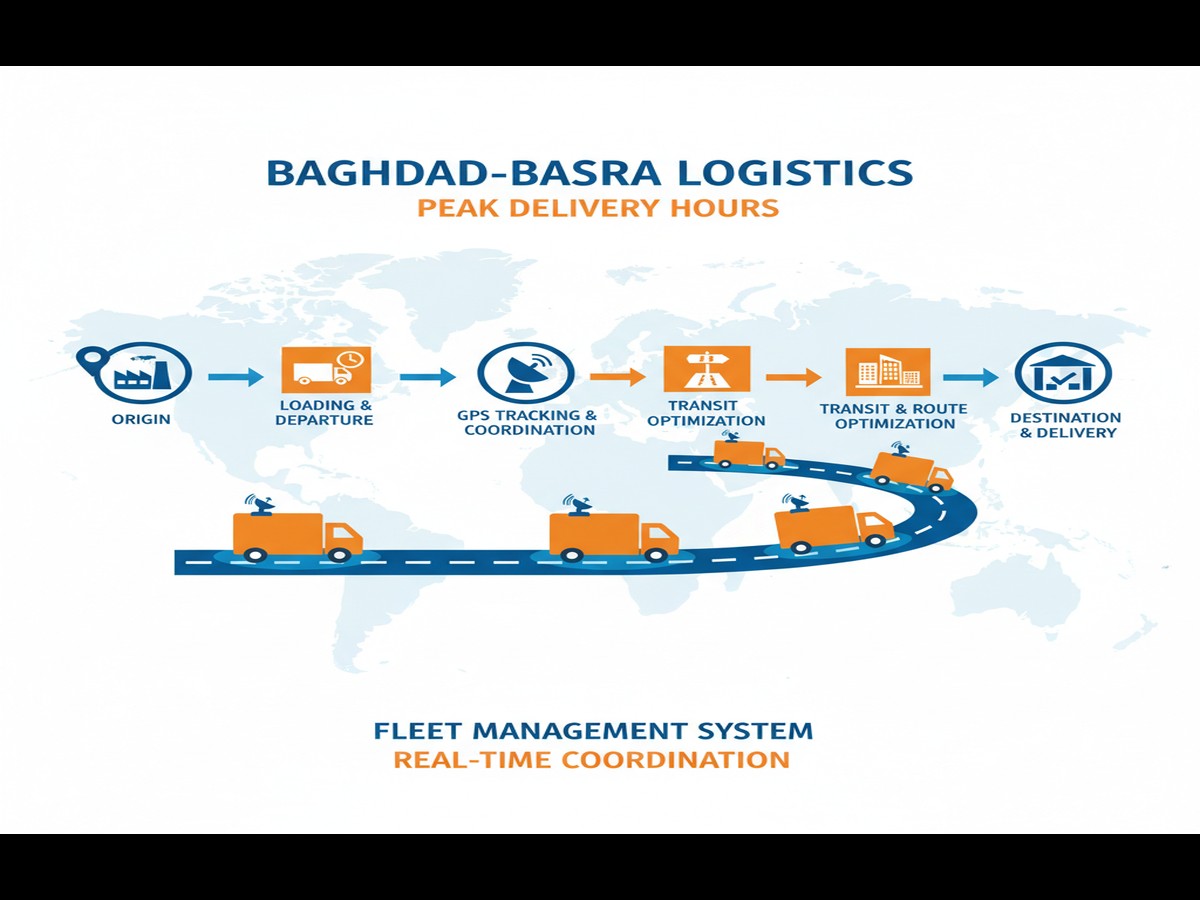
Harnessing Predictive Analytics and AI for Smarter Route and Carrier Selection
When comparing shipment methods, predictive analytics and AI play a crucial role in enhancing logistics efficiency. In 2023, Iraq’s air freight volumes reached 17,100 tonnes, reflecting a growing demand for optimized shipping solutions. This increase is driven by the rapid growth of e-commerce in Iraq, which surged by 14.1% compared to the global average of 9.6% in the same year. According to [1][2], these tools enable logistics providers to evaluate various shipping options effectively, ensuring timely delivery of high-value goods.
By leveraging AI algorithms, companies can analyze historical data to forecast demand and select the most efficient carriers. For instance, with Iraq’s air freight market projected to grow at a 7.6% CAGR through 2030, reaching an estimated $250-350 million annually, businesses can optimize their logistics strategies to align with this growth. Additionally, integrating real-time tracking capabilities enhances visibility, allowing for better decision-making when comparing shipment methods.
Automating Workflows and Warehouse Operations
Automation in logistics is essential for improving efficiency and reducing costs. In Iraq, operators are increasingly utilizing technology to streamline warehouse operations, which is critical for managing the growing air freight volumes. As the air freight market expands, the demand for efficient processes becomes more pronounced. By automating workflows, logistics providers can minimize errors and accelerate processing times, especially when comparing shipment methods.
For example, facilities like Dnata’s new cargo warehouse in Iraq, which supports temperature-controlled shipments, are pivotal for handling pharmaceuticals and perishables. This facility is part of the overall logistics strategy that enables Iraq to handle urgent cargo efficiently. As a result, companies can achieve significant cost reductions by optimizing their workflows. Furthermore, data analytics tools allow businesses to continuously refine their operations based on performance metrics, ensuring they remain competitive in the evolving market.
Therefore, embracing technology not only enhances operational capabilities but also positions logistics providers to better meet the demands of the growing e-commerce sector and international trade, requiring robust cargo clearance Iraq. The integration of advanced analytics and automation into logistics processes is transforming how companies operate in Iraq, particularly in key hubs like Baghdad and Erbil.
In conclusion, as businesses in Iraq navigate the complexities of logistics, the importance of comparing shipment methods cannot be overstated. By harnessing technology and data-driven insights, companies can optimize their logistics strategies, improve service delivery, and ultimately drive growth in the air freight market. The future of logistics in Iraq looks promising, with innovations that will continue to enhance efficiency and effectiveness across the supply chain.
Mitigating Risk: Insurance, Compliance & Security for Your Shipments
Selecting the Right Cargo Insurance: Protecting Your Goods from Loss and Damage
When you are comparing shipment methods for cargo entering Iraq, securing the right insurance is a critical step in mitigating financial risk. The nature of your goods directly influences this decision. For instance, Iraq’s e-commerce market saw a remarkable 14.1% growth in 2023, far outpacing the global average. This surge fuels demand for rapid air freight to deliver high-value electronics and pharmaceuticals. Therefore, insuring these time-sensitive items requires a different strategy than insuring bulk goods arriving by sea.
Additionally, the choice between different transport modes is a central part of comparing shipment methods and assessing risk. Air freight, which handled 17,100 tonnes of cargo in 2023, often carries higher-value goods, making comprehensive insurance essential to protect against loss or damage. However, sea freight through the port of Umm Qasr is better for large-volume, lower-cost items where risk calculations differ. A detailed risk assessment is vital, and at Direct Drive Logistics, we help you analyze these factors for any cargo services Iraq requires, ensuring your assets are protected from origin to destination.
Navigating Regulatory Compliance: Customs
Successfully navigating Iraqi customs is another crucial element when comparing shipment methods. Each mode—air, sea, and road—has unique regulatory hurdles. Iraq’s air freight market is projected to grow at a 7.6% CAGR, reaching an estimated value of $250-350 million annually. This growth is supported by streamlined, yet stringent, customs procedures at key hubs like Baghdad International Airport (BGW), which handles up to 70% of the country’s air cargo. Therefore, compliance with ICAO standards and local MOT regulations is non-negotiable for air shipments.
In contrast, road freight from border crossings like Ibrahim Khalil or Shalamcheh offers flexibility but can face unpredictable customs delays. This variability is a key consideration when comparing shipment methods for time-sensitive deliveries. For businesses focused on import export Erbil or managing freight rates Baghdad, understanding these nuances is essential. Partnering with an experienced logistics provider ensures all documentation is precise and compliant, minimizing delays and penalties. Properly comparing shipment methods means accounting for these complex regulatory landscapes to guarantee smooth transit for your valuable cargo.
Frequently Asked Questions
▼ How much does it cost to ship goods in Iraq and Kurdistan?
The cost of shipping in Iraq and Kurdistan varies based on factors like shipment method, distance, and weight. For example, air freight can range from $5 to $10 per kilogram, while road transport might cost around $1 to $3 per kilogram. When comparing shipment methods, consider not only the price but also the speed and reliability of the service to find the best fit for your needs.
▼ What is the fastest shipment method available in Iraq and Kurdistan?
Air freight is the fastest shipment method in Iraq and Kurdistan, typically taking 1 to 3 days for delivery. When comparing shipment methods, air transport is ideal for urgent shipments, despite being more expensive than road or sea options. To expedite your logistics, partner with a reliable freight forwarder who can navigate local regulations effectively.
▼ Why choose road transport over air freight in Kurdistan?
Road transport is often more cost-effective than air freight, especially for heavier shipments. When comparing shipment methods, consider that road transport can be more suitable for deliveries within Kurdistan, with transit times ranging from 1 to 5 days depending on distance. Additionally, it allows for larger shipments, making it ideal for bulk goods.
▼ How long does it take to ship goods via sea freight to Iraq?
Sea freight to Iraq typically takes between 20 to 40 days, depending on the origin and the specific port of entry, such as Umm Qasr. When comparing shipment methods, remember that while sea freight is slower, it is more economical for large shipments. Ensure to plan your logistics accordingly to accommodate the extended transit times.
▼ How much time can I save by using express shipping in Iraq?
Using express shipping can save you 2 to 5 days compared to standard shipping methods. When comparing shipment methods, express services provide faster delivery, making them ideal for urgent shipments. However, this speed comes at a premium, so assess your budget and urgency before choosing this option.
▼ What is the main advantage of multimodal shipping in Kurdistan?
Multimodal shipping combines different transportation methods, maximizing efficiency and cost-effectiveness. When comparing shipment methods, this approach allows you to take advantage of both air and road transport, reducing transit time while managing costs effectively. It's especially beneficial for complex logistics needs across Iraq and Kurdistan.
▼ How do customs regulations affect shipment methods in Iraq?
Customs regulations can significantly impact shipment methods in Iraq, especially for international shipments. Delays may occur if documentation is incomplete. When comparing shipment methods, choose logistics providers experienced in navigating local customs to minimize delays and ensure compliance. This can save you time and additional costs.
▼ What is the best shipment method for fragile items in Kurdistan?
Air freight is generally the best shipment method for fragile items, as it minimizes handling and transit time. When comparing shipment methods, ensure that the logistics provider offers specialized packaging and handling services for delicate goods. This approach reduces the risk of damage during transit, ensuring safe delivery.
▼ Why should I consider using a freight forwarder in Iraq?
A freight forwarder simplifies the shipping process by managing logistics, customs clearance, and transportation. When comparing shipment methods, working with a freight forwarder can save you time and reduce the risk of errors. Their expertise in local regulations ensures smooth operations, making your logistics more efficient.
▼ How does the size of my shipment influence the best method to use?
The size of your shipment significantly influences your choice of transport. For small, urgent shipments, air freight is preferable. However, for larger, bulk shipments, road or sea freight may be more cost-effective. When comparing shipment methods, analyze your shipment size and urgency to determine the most suitable logistics solution.
▼ How can I track my shipment in Iraq and Kurdistan?
Most logistics providers in Iraq and Kurdistan offer tracking services through online platforms or mobile apps. When comparing shipment methods, ensure that your chosen provider has a robust tracking system to keep you informed of your shipment's status. This transparency is crucial for managing your logistics effectively.
▼ What steps should I take to prepare my goods for shipping?
Preparing goods for shipping involves proper packaging, labeling, and documentation. Ensure items are securely packed to withstand transport and that all necessary customs paperwork is completed. When comparing shipment methods, each has specific requirements, so consult with your logistics provider for detailed guidelines to ensure a smooth shipping process.
Conclusion
Conclusion:
Navigating the complex landscape of logistics requires careful consideration when comparing shipment methods. Throughout this analysis, we've explored the nuanced trade-offs between air, sea, and ground transportation, highlighting how each method offers unique advantages depending on your specific business needs.
The key takeaway is that there's no one-size-fits-all solution. Successful logistics strategies demand a strategic approach that balances cost, speed, reliability, and cargo specifications. At Direct Drive Logistics, we understand these intricate dynamics and pride ourselves on providing tailored shipping solutions that optimize your supply chain performance.
Our team of logistics experts specializes in crafting customized transportation strategies that align perfectly with your operational requirements. Whether you need rapid international air freight, cost-effective sea shipping, or precise ground transportation across Iraq's challenging terrain, we deliver unparalleled expertise and reliability.
Don't let shipping complexities slow down your business. Direct Drive Logistics is your strategic partner in navigating the most efficient and effective transportation methods. We invite you to leverage our comprehensive logistics solutions and transform your shipping operations.
Ready to optimize your logistics strategy? Contact our team today for a free consultation. Call +[phone number] or email logistics@directdrivelogistics.com to discuss how we can streamline your shipment methods and drive your business forward.
Your logistics success starts here.
Unlock optimal shipping efficiency by comparing our tailored logistics solutions that can reduce your transportation costs by up to 30%. Explore your options now and let our expert team analyze the most cost-effective shipment methods for your unique business needs. Contact Direct Drive Logistics today at (+964) 750 953 9899 to start maximizing your shipping strategy.
📞 Contact Us for a Consultation
Location
Direct Drive Logistic
MRF Quattro towers, Block A-29-1
Erbil, Kurdistan Region