
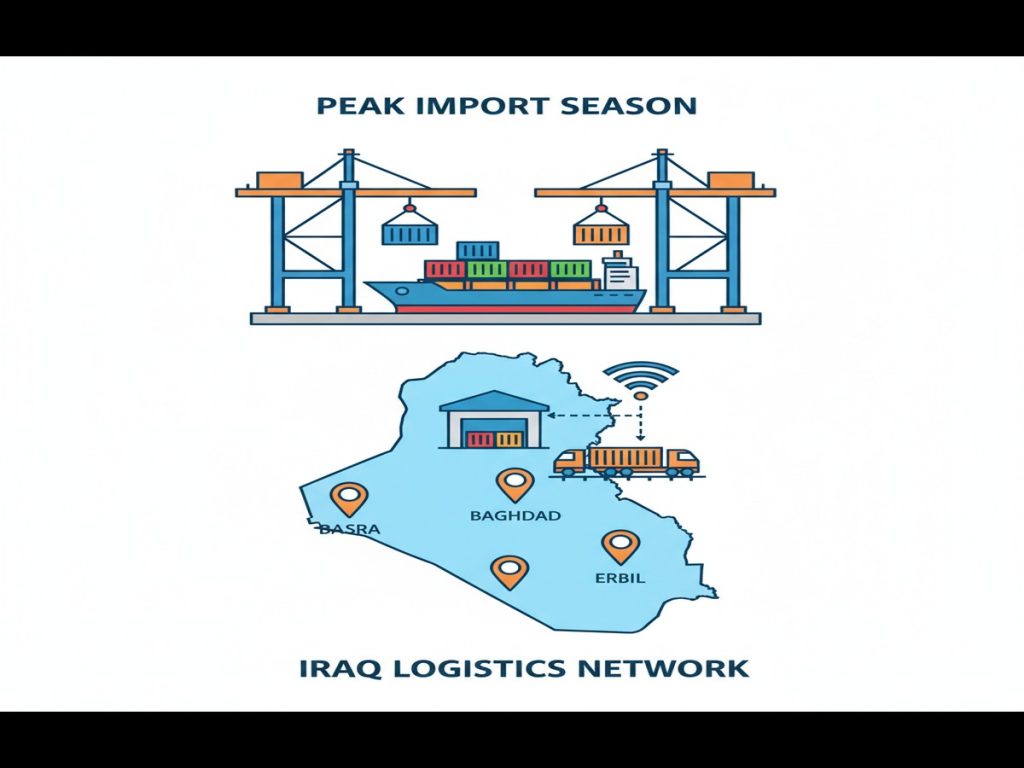
Cold Storage Solutions in Iraq: Optimize Your Logistics 2025
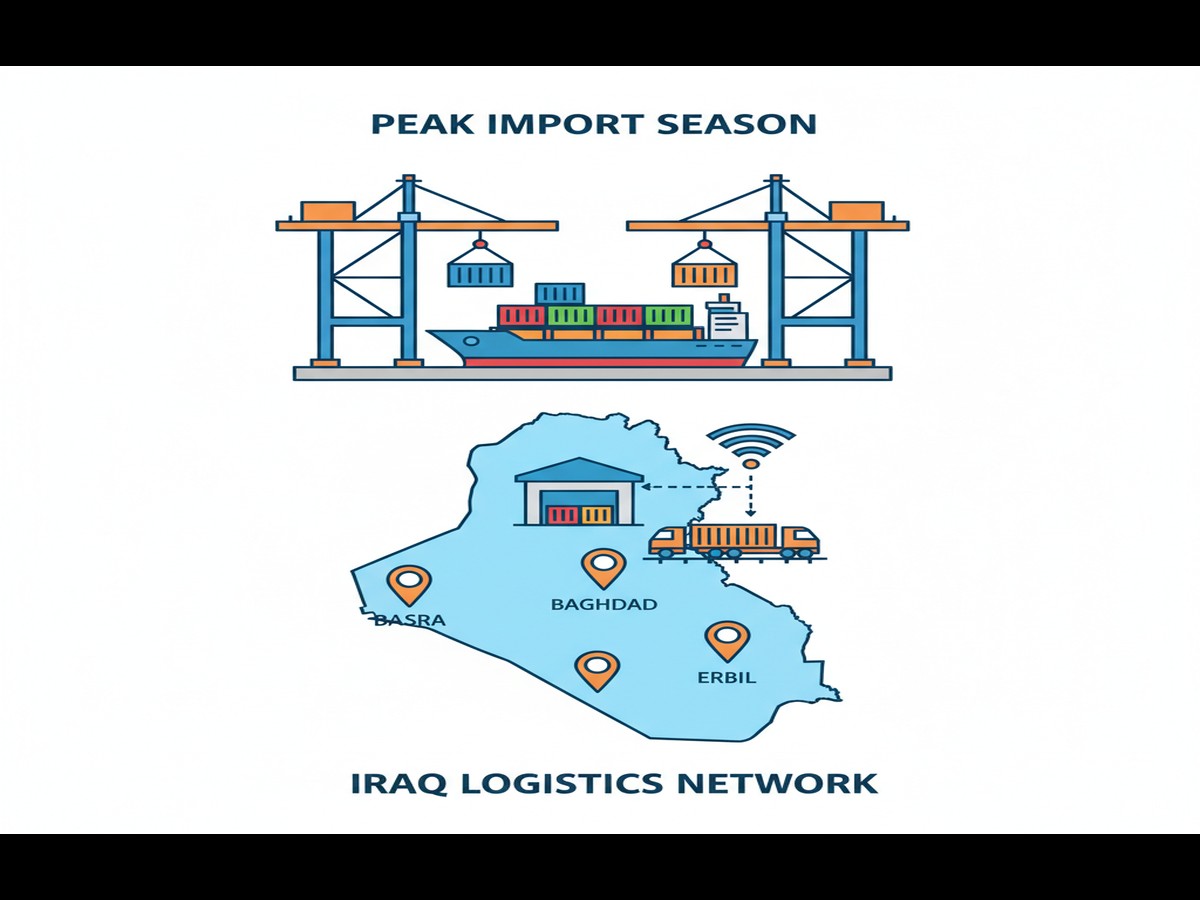
Discover how cold storage Iraq can transform your logistics operations. This guide offers an authoritative, practical roadmap for businesses seeking to understand, implement, and optimize robust cold storage and temperature-controlled logistics solutions tailored for the unique operational landscape of Iraq. In a rapidly developing nation like Iraq, where economic diversification and infrastructure growth are paramount, the efficient handling of temperature-sensitive goods is no longer a luxury but a critical necessity. From pharmaceuticals safeguarding public health to fresh produce ensuring food security, the integrity of the supply chain hinges on maintaining precise environmental conditions. This intricate network is often referred to as cold chain logistics, which is the process of managing the temperature-controlled supply chain from origin to consumption, ensuring product integrity. This includes specialized storage, transportation, and handling, critical for preserving the quality and safety of sensitive items.
The challenges in Iraq’s logistics sector are well-documented, from infrastructure gaps to extreme climatic conditions, making the effective deployment of temperature-controlled solutions particularly vital. Understanding cold storage iraq is essential. Businesses dealing with perishable goods – products that have a limited shelf life and require specific environmental conditions, particularly temperature, to prevent spoilage and maintain quality, such as food, pharmaceuticals, and certain chemicals – face immense pressure to minimize waste and ensure product efficacy. A robust cold storage infrastructure is the backbone of such operations, preventing spoilage, extending shelf life, and ultimately, safeguarding profitability and consumer trust. The burgeoning demand from sectors like healthcare, food and beverage, and even specialized industrial chemicals underscores the urgent need for advanced facilities and expertise in refrigerated warehousing, a type of storage facility specifically designed to maintain products at controlled low temperatures, ranging from chilled to frozen, essential for perishable goods.
This comprehensive guide delves deep into the multifaceted world of cold storage Iraq, offering a pragmatic approach to understanding and implementing these vital solutions. We will explore the critical role of cold storage in Iraq’s evolving economy, dissecting the demand from key industries requiring temperature-controlled logistics – a broader term encompassing all aspects of maintaining specific temperature ranges throughout the entire supply chain, including transportation, storage, and distribution. Readers will gain insights into the types of cold storage facilities and refrigerated warehouses available, alongside key considerations for selecting and operating them effectively within Iraq’s unique regulatory and logistical landscape. Furthermore, we will address navigating regulatory compliance, understanding costs and pricing models, and leveraging cutting-edge technology for enhanced cold chain efficiency and visibility. Whether you are a logistics professional, a business owner, or an investor eyeing opportunities in Iraq’s burgeoning market, this guide provides actionable insights to enhance your operations and strategic decision-making.
Why Cold Storage is Critical for Your Business in Iraq Today
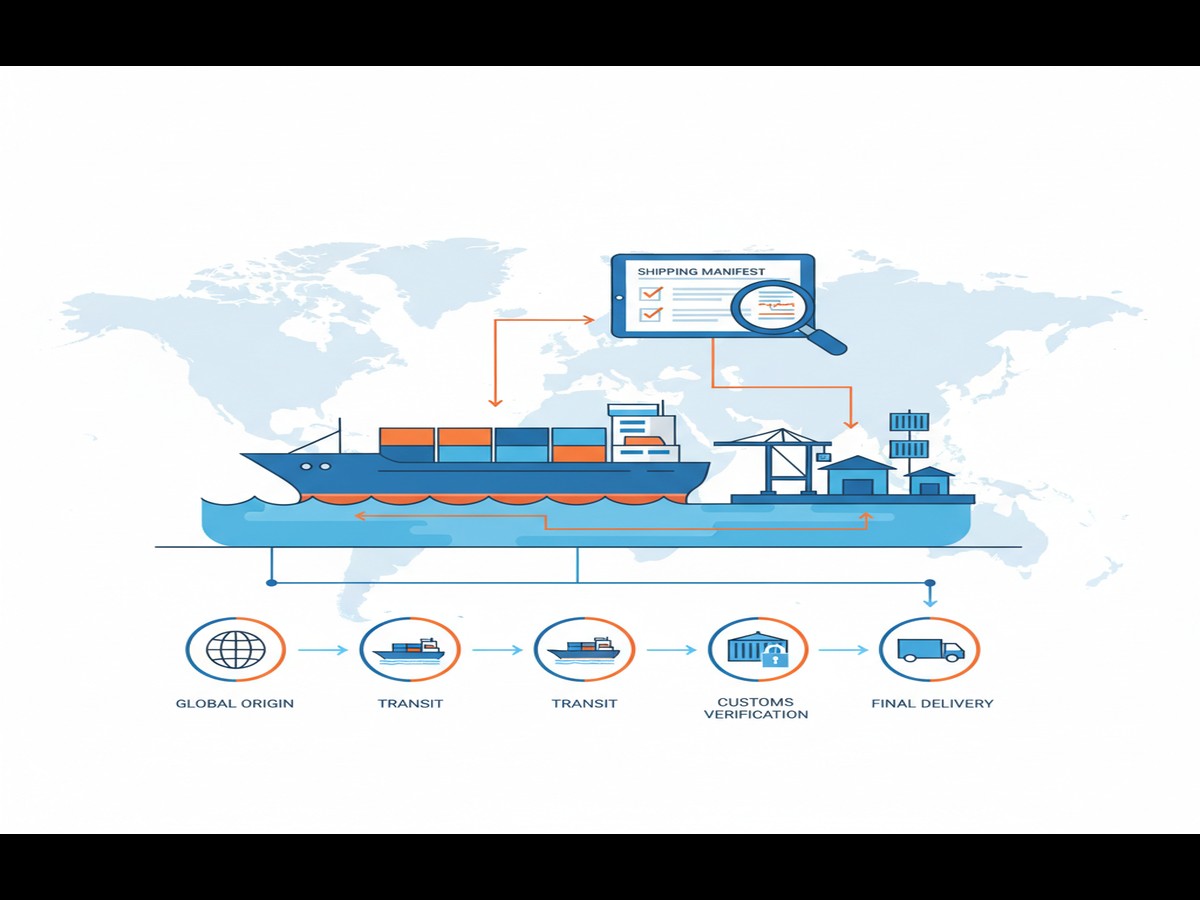
In a rapidly evolving global economy, the strategic importance of robust logistics infrastructure cannot be overstated, especially in dynamic regions like Iraq. For businesses operating within the country, or those looking to expand into its promising market, understanding the critical role of Iraq warehouse storage, particularly cold storage, is paramount. Iraq’s unique climatic conditions, coupled with a growing demand for quality goods and adherence to international standards, make reliable cold chain solutions not just an advantage, but an urgent necessity for sustained success and profitability today.
Preserving Agricultural Exports and Reducing Spoilage in Iraq’s Challenging Climate Conditions
Iraq’s diverse agricultural sector, known for dates, fruits, and vegetables, faces significant challenges from its arid climate and high temperatures. Without adequate temperature-controlled storage, a substantial portion of perishable produce is lost to spoilage, diminishing farmers’ incomes and limiting export potential. Investing in modern Iraq cold storage market facilities provides a vital buffer against these harsh conditions. These refrigerated warehouse Iraq solutions extend the shelf life of agricultural products, ensuring they remain fresh from farm to market, both domestically and internationally. By mitigating post-harvest losses, cold storage facilities Iraq directly contribute to food security and empower the nation’s agricultural sector to compete on a global scale, transforming potential waste into valuable exports.
Ensuring Food Safety and Meeting International Quality Standards for Iraqi Businesses
The health and safety of consumers are non-negotiable, and adherence to stringent food safety regulations is a prerequisite for any business aiming for market leadership or international trade. For perishable goods such as dairy, meat, seafood, and pharmaceuticals, maintaining precise temperature-controlled Iraq environments is crucial to prevent bacterial growth and preserve product efficacy. Cold storage solutions play a pivotal role in upholding these standards, safeguarding public health, and building consumer trust. Businesses that invest in advanced cold chain management not only comply with local and international quality benchmarks but also gain a competitive edge, demonstrating a commitment to excellence that resonates with discerning customers and partners worldwide.
Minimizing Economic Losses Through Strategic Cold Chain Management and Infrastructure
Beyond direct spoilage, inadequate cold chain infrastructure leads to a cascade of economic losses, including reduced product value, supply chain inefficiencies, and missed market opportunities. Strategic cold chain management, supported by state-of-the-art cold storage facilities Iraq, minimizes these financial setbacks. By extending product viability, businesses can optimize inventory levels, reduce waste, and access broader markets. This efficiency translates directly into higher profit margins and a more resilient supply chain. The burgeoning demand for sophisticated Iraq cold chain market solutions highlights a growing awareness among Iraqi businesses of the long-term economic benefits. Implementing reliable cold storage Iraq infrastructure is therefore not merely an operational expense, but a strategic investment that underpins economic stability and growth for various industries, from food and beverage to pharmaceuticals and chemicals.
Cold Storage Iraq Types of Cold Storage Solutions Available in Iraq
Types of Cold Storage Solutions Available in Iraq
Iraq’s rapidly developing economy and growing population demand sophisticated and diverse cold storage solutions to support various sectors, from agriculture and food processing to pharmaceuticals and healthcare. Direct Drive Logistic is at the forefront of providing comprehensive warehousing solutions Iraq needs, ensuring product integrity and supply chain efficiency across the nation. The range of options available reflects a commitment to modernizing the country’s logistics infrastructure.
Industrial Refrigeration Systems for Large-Scale Agricultural and Food Processing Facilities
For large-scale operations, industrial refrigeration systems form the backbone of Iraq’s cold chain. These expansive cold storage facilities Iraq offers are designed to handle significant volumes of agricultural produce, processed foods, and bulk ingredients. Featuring multi-temperature zones, they can accommodate everything from chilled dairy and fresh vegetables to frozen meats and poultry, each requiring precise environmental control. A modern refrigerated warehouse Iraq is equipped with advanced monitoring systems, ensuring consistent temperatures and humidity levels, critical for extending shelf life and reducing spoilage. Such robust infrastructure is crucial for the expanding Iraq logistics market and its food security initiatives, supporting both local production and international trade.
Portable Cold Storage Containers for Flexible Logistics and Agricultural Needs
Flexibility and mobility are key in a dynamic market like Iraq, making portable cold storage containers an invaluable asset. These units, often in the form of 20
Key Factors for Selecting a Cold Storage Provider in Iraq
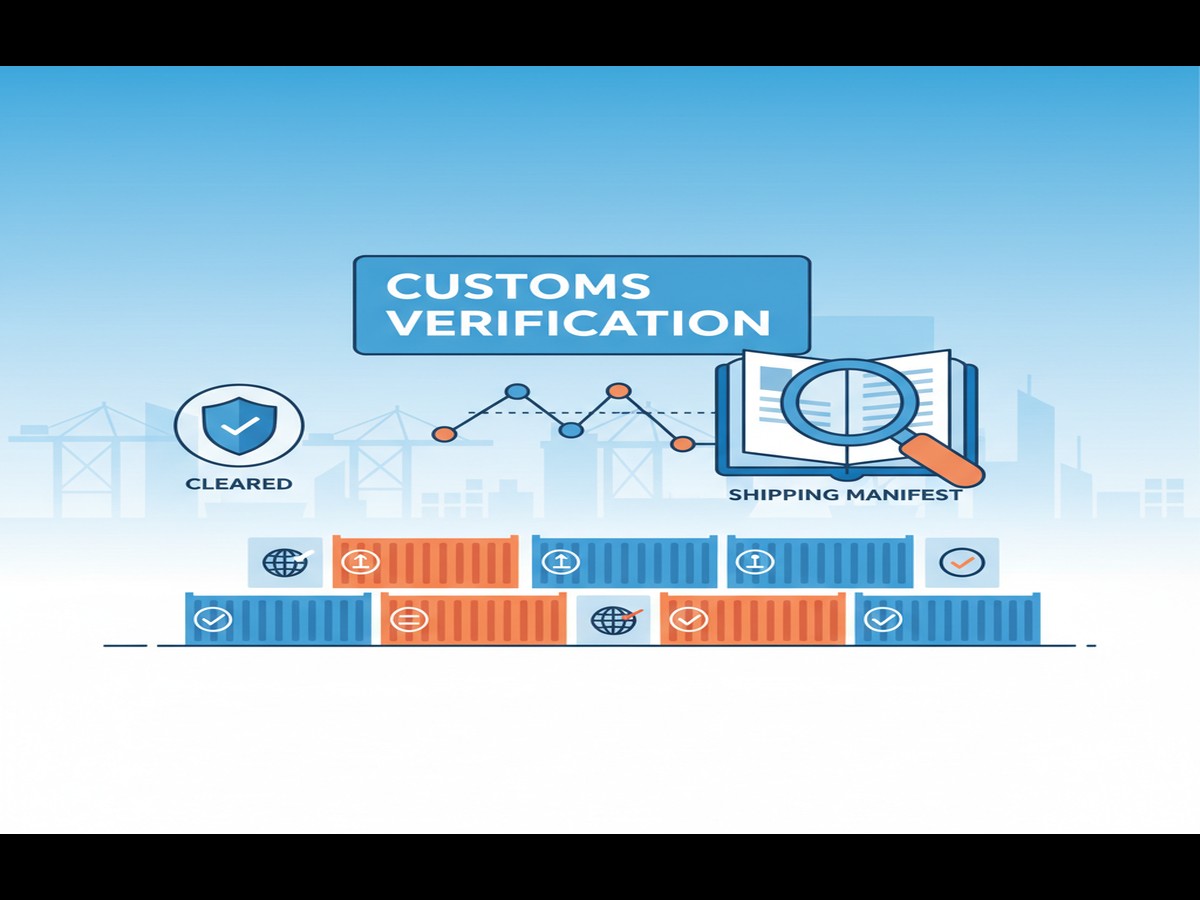
Key Factors for Selecting a Cold Storage Provider in Iraq
When evaluating options, considering robust warehouse storage solutions is paramount for businesses in Iraq.
Need Reliable Delivery Services?
Get a free quote from Direct Drive Logistic today. Fast, secure, and professional logistics solutions tailored to your needs.
Understanding Costs and Pricing Models for Cold Storage in Iraq
Understanding the costs associated with cold storage in Iraq is crucial for businesses looking to maintain the quality of perishable goods while managing their budgets effectively. Several factors contribute to the overall pricing models of cold storage services, and understanding these can help stakeholders make informed decisions.
Key Factors Influencing Cold Storage Costs and Pricing in Iraq
Several key factors can significantly influence the costs of cold storage facilities in Iraq. Firstly, the location of the refrigerated warehouse plays a vital role. Facilities situated in urban centers, such as those offering warehouse services in Erbil, may incur higher rental and operational costs compared to those in rural areas. Additionally, the size and capacity of the cold storage units can impact pricing; larger facilities equipped with advanced technology typically command higher fees due to their efficiency and capabilities.
Operational costs, including energy consumption, also contribute to pricing. Refrigerated warehouses require substantial energy to maintain temperature-controlled environments, which can drive up costs, especially in regions with unstable energy supplies. Furthermore, local regulations and the availability of skilled labor can affect operational efficiency and, consequently, pricing structures.
Another essential factor is the type of goods being stored. Different products require varying temperature settings, which can necessitate specialized equipment and handling procedures. For example, pharmaceuticals and certain food products may require stricter temperature controls, leading to higher storage fees. The duration of storage can also influence pricing; long-term storage agreements often come with discounted rates compared to short-term contracts.
For a detailed analysis of the current trends and projections in the cold storage market in Iraq, you can refer to the Iraq cold storage report.
Common Pricing
Cold storage pricing in Iraq generally operates on a per-pallet or per-cubic meter basis, depending on the facility’s pricing model. On average, businesses can expect to pay between $10 to $25 per pallet per month for basic cold storage services, with additional costs for specialized handling or advanced temperature controls. For temperature-controlled environments, pricing may rise significantly, especially for facilities that utilize cutting-edge technology to ensure optimal conditions for sensitive products.
Moreover, additional services such as inventory management, packing, and distribution can add to the overall cost. Companies looking for integrated solutions may find that bundled services offer better value compared to standalone cold storage options.
For a comprehensive understanding of the cold chain market, including pricing dynamics and emerging trends, the Iraq cold chain market report provides valuable insights.
In conclusion, understanding the costs associated with cold storage in Iraq requires a careful consideration of various factors, including location, operational efficiency, and the nature of the goods being stored. By evaluating these elements, businesses can better navigate the pricing landscape and optimize their logistics strategies.
Navigating Regulatory Compliance and Logistics in Iraq’s Cold Chain
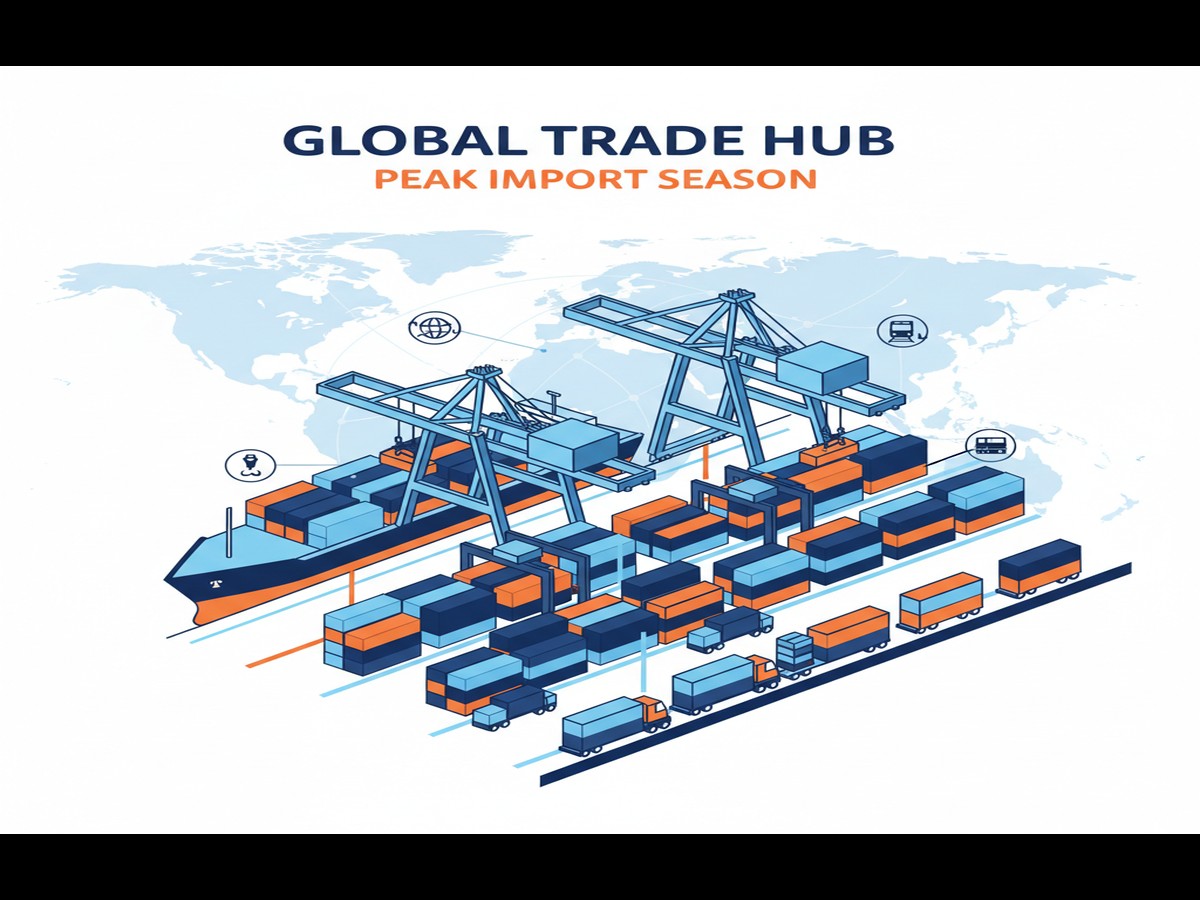
Operating a successful cold chain within Iraq demands a sophisticated understanding of both its unique regulatory landscape and significant logistical challenges. For businesses dealing with temperature-sensitive goods, secure Erbil warehouse services are crucial, from life-
Cold Storage Iraq Advanced Cold Storage Technologies and Future Trends in Iraq
Iraq’s logistics sector is on the cusp of a significant transformation, with advanced cold storage technologies poised to revolutionize how temperature-sensitive goods are handled. As the demand for fresh produce, pharmaceuticals, and other perishable items grows, the efficiency, sustainability, and security of cold chain operations in the region become paramount. Direct Drive Logistic is at the forefront, observing and implementing these critical advancements.
Key Aspects of Advanced Cold Storage Technologies and Future Trends in Iraq
The future of cold storage in Iraq is increasingly shaped by technological innovation. Key aspects include the adoption of automation and robotics for sorting, picking, and packing within refrigerated warehouse Iraq facilities, significantly boosting operational speed and accuracy. Energy efficiency is another crucial trend, with facilities integrating advanced insulation materials, eco-friendly refrigerants, and smart energy management systems like AI-powered climate control to reduce operational costs and environmental impact. The global cold storage growth indicates a strong market trajectory, pushing for these innovations worldwide. Furthermore, the Internet of Things (IoT) is enabling real-time monitoring of temperature, humidity, and inventory levels across the entire cold chain, providing unparalleled visibility and control. Blockchain technology is also emerging as a powerful tool for enhancing traceability and transparency, ensuring the integrity and authenticity of goods from origin to destination, which is vital for high-value pharmaceuticals and food products.
Best Practices for Advanced Cold Storage Technologies and Future Trends in Iraq
Implementing advanced cold storage technologies requires adherence to global best practices to maximize their benefits. This includes a strong emphasis on continuous staff training to manage sophisticated automated systems and IoT platforms effectively. Regular maintenance schedules for advanced refrigeration units and automated machinery are essential to prevent downtime and ensure consistent temperature controlled Iraq environments. Adopting international standards for food safety and pharmaceutical storage, such as HACCP and GDP guidelines, is crucial for maintaining product quality and compliance. Data analytics plays a vital role in optimizing operations, predicting demand fluctuations, and identifying potential cold chain breaches before they occur. Furthermore, robust cybersecurity protocols are necessary to protect sensitive data generated by IoT devices and supply chain management systems, safeguarding operations from digital threats.
Common Challenges in Advanced Cold Storage Technologies and Future Trends in Iraq
Despite the immense potential, the expansion of advanced cold storage facilities Iraq faces several challenges. A primary hurdle is the significant initial capital investment required for state-of-the-art automation, energy-efficient infrastructure, and sophisticated monitoring systems. Securing financing and demonstrating long-term ROI are critical considerations for investors. Another challenge is the availability of a skilled workforce capable of operating and maintaining these advanced technologies. There’s a need for specialized training programs to develop local talent in automation, IoT management, and cold chain logistics. Infrastructure limitations, such as inconsistent power supply and underdeveloped road networks in certain regions, can also impede the seamless operation of a modern cold chain. However, the Iraq cold storage market continues to expand, driven by increasing demand. Developing a clear and supportive regulatory framework that encourages investment in advanced cold storage iraq solutions while upholding international standards for quality and safety will be essential for overcoming these obstacles and fostering sustainable growth.
Your Next Steps: Securing Cold Storage Solutions in Iraq
Your Next Steps: Securing Cold Storage Solutions in Iraq
Embarking on cold chain operations in Iraq requires strategic planning and meticulous execution. This concluding section provides a clear, actionable roadmap for businesses ready to initiate contact, request proposals, and successfully partner with a cold storage provider in Iraq.
Assessing Your Specific Cold Chain Needs and Capacity Requirements in Iraq
Before committing to any provider, a meticulous assessment of your specific cold chain needs is paramount. This involves clearly defining the types of products requiring temperature-controlled environments – be it pharmaceuticals, perishable foods, or sensitive chemicals – and their precise temperature ranges (e.g., chilled, frozen, ultra-low). Evaluate your required storage capacity, considering both current volumes and projected growth, along with the frequency and scale of inbound and outbound shipments. Account for seasonal fluctuations, potential peak demands, and any specialized handling requirements. A comprehensive understanding of your internal logistics, including last-mile distribution challenges within Iraq, will help you specify the exact capabilities needed from cold storage facilities Iraq offers, ensuring the chosen solution aligns perfectly with your operational demands.
Identifying and Vetting Reliable Cold Storage Providers and Logistics Partners
Once your needs are clear, the next crucial step is to identify and thoroughly vet reliable cold storage providers and logistics partners. Look for companies with a proven track record and extensive experience operating within the Iraqi market, understanding its unique logistical landscape, including the complexities of customs clearance Iraq. Prioritize providers that demonstrate adherence to international standards such as ISO or HACCP (for food) and GDP (for pharmaceuticals), ensuring compliance and quality. Investigate their infrastructure, including the modernity of their refrigerated warehouse Iraq facilities, their
Frequently Asked Questions
▼ What is cold storage in Iraq and why is it crucial for businesses operating here?
Cold storage in Iraq refers to specialized warehousing and transportation maintaining precise temperature ranges for perishable goods. It’s crucial for preserving product integrity, extending shelf life, and meeting strict health regulations. Given Iraq’s climate and developing infrastructure, reliable cold storage prevents spoilage, minimizes losses, and ensures safe delivery of vital pharmaceuticals, food, and chemicals across the country.
▼ How does Direct Drive Logistics ensure temperature integrity for cold chain logistics in Iraq?
We employ advanced refrigerated transportation units and monitored cold storage facilities across Iraq, equipped with real-time temperature tracking. Our processes include pre-cooling, meticulous loading protocols, and contingency planning for power outages or transit delays. Experienced personnel conduct regular checks, ensuring an unbroken cold chain from origin to destination, even in challenging environments.
▼ What types of products specifically require specialized cold storage in Kurdistan and other Iraqi regions?
A wide array of products requires specialized cold storage in Kurdistan and Iraq. This includes pharmaceuticals (vaccines, insulin), fresh produce (fruits, vegetables), dairy products, frozen meats, seafood, and certain chemicals or industrial materials sensitive to temperature fluctuations. Our facilities are designed to handle various temperature zones, from chilled to deep-frozen.
▼ Why choose Direct Drive Logistics for your critical cold storage needs across Iraq?
Choose Direct Drive Logistics for unparalleled expertise in cold storage Iraq. With 15+ years in the region, we offer a robust network, state-of-the-art facilities, and a deep understanding of local regulations and challenges. Our commitment to reliability, security, and real-time visibility ensures your temperature-sensitive cargo is handled with the utmost care, minimizing risks and maximizing efficiency.
▼ How much does cold storage in Iraq typically cost, and what factors influence pricing?
The cost of cold storage in Iraq varies significantly based on volume, required temperature range, duration, and specific handling needs. Factors include pallet space, frequency of access, and value-added services like inventory management or distribution. Contact Direct Drive Logistics directly for a tailored quote, ensuring transparent pricing for your specific cold chain requirements.
▼ What are the key challenges of refrigerated transportation and shipping in Iraq?
Key challenges for refrigerated transportation in Iraq include maintaining consistent power, navigating diverse road conditions, and managing security risks. Extreme summer temperatures demand robust cooling systems. Direct Drive Logistics mitigates these by utilizing modern, well-maintained fleets, experienced drivers, and real-time monitoring, ensuring secure and efficient shipping despite regional complexities.
Conclusion
In conclusion, the strategic importance of robust cold chain infrastructure in Iraq cannot be overstated. From safeguarding life-saving pharmaceuticals to ensuring the freshness of perishable food items, effective temperature-controlled logistics are fundamental to public health, economic growth, and national development. The challenges of maintaining precise environmental conditions in a demanding climate are significant, yet the opportunities for businesses to thrive by leveraging superior cold storage solutions are immense.
Direct Drive Logistics stands at the forefront of this critical sector, offering unparalleled expertise and state-of-the-art facilities for cold storage Iraq. We understand the unique complexities of the Iraqi market, providing tailor-made, reliable, and compliant solutions that protect your valuable goods from origin to destination. Our commitment to operational excellence, advanced technology, and deep understanding
Safeguard your temperature-sensitive goods with Direct Drive Logistics’ cutting-edge cold storage solutions in Iraq, ensuring maximum product integrity and minimal waste. Protect your bottom line by securing reliable, state-of-the-art refrigerated warehousing that maintains precise temperature controls for your critical inventory. Call our expert team now at (+964) 750 953 9899 to discuss customized cold storage strategies tailored to your specific business needs.
📞 Contact Us for a Consultation
Location
Direct Drive Logistic
MRF Quattro towers, Block A-29-1
Erbil, Kurdistan Region