
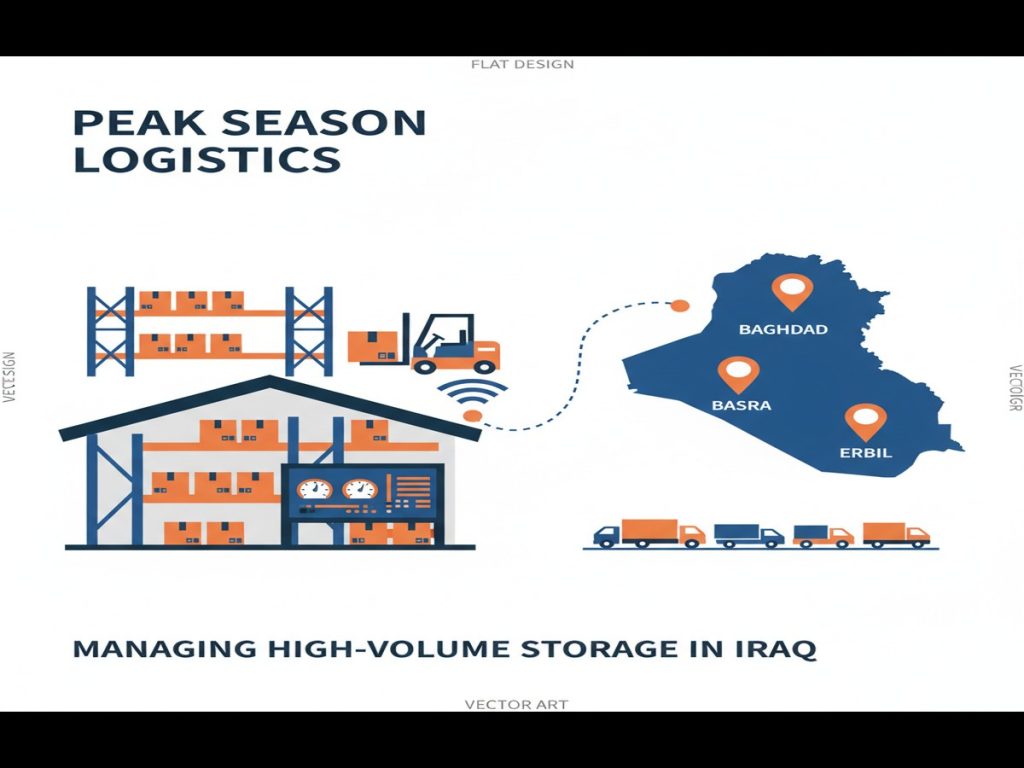
Cold Storage Solutions in Iraq 2025: Expert Insights
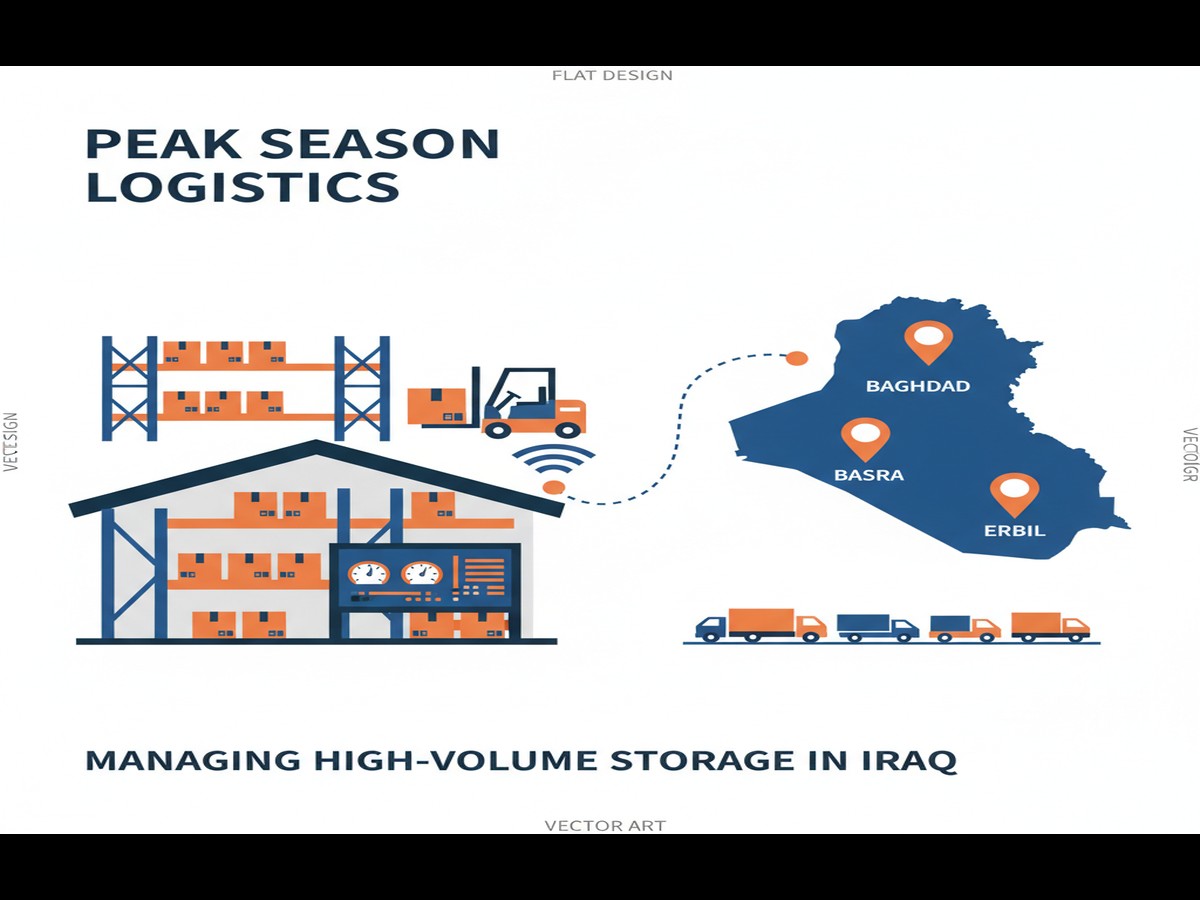
Discover how cold storage Iraq can transform your logistics operations. This guide provides a practical, authoritative roadmap for businesses navigating the complexities of establishing or utilizing cold storage solutions in Iraq, emphasizing compliance, efficiency, and strategic provider selection. In a region characterized by extreme climatic conditions and an evolving economic landscape, the integrity of temperature-sensitive goods is not merely a logistical challenge but a critical determinant of public health, food security, and commercial viability. For businesses ranging from pharmaceutical distributors to food importers and exporters, mastering the intricacies of temperature-controlled logistics is paramount to safeguarding investments and ensuring product quality from origin to final consumption. This introduction sets the stage for a comprehensive exploration of why robust cold chain infrastructure is indispensable for Iraq’s growth.
The urgency for advanced cold storage solutions in Iraq stems from multiple factors. Understanding cold storage iraq is essential. High ambient temperatures throughout much of the year necessitate reliable refrigeration to prevent spoilage of perishable goods, a category encompassing everything from fresh produce and dairy to vital vaccines and sensitive chemicals. The absence of an unbroken cold chain can lead to significant financial losses, health risks, and a diminished reputation for businesses. Understanding the critical need for cold storage in Iraq means acknowledging the profound impact it has on market access, consumer safety, and the overall efficiency of supply chains. A key concept in this domain is the **cold chain**, which refers to the entire process of maintaining a specific temperature range for temperature-sensitive products from the point of origin to the point of consumption, ensuring product integrity and safety. Without effective cold chain management, products can degrade rapidly, rendering them unusable or unsafe.
This comprehensive guide explores cold storage Iraq through multiple perspectives, offering actionable insights for logistics professionals and business owners alike. We will delve into Understanding the Critical Need for Cold Storage in Iraq, examining its environmental and economic drivers. We’ll then explore Key Industries Driving Demand for Cold Storage Facilities in Iraq, from pharmaceuticals and agriculture to retail, each with unique requirements. Our discussion will also cover the various Types of Cold Storage Solutions and **Refrigerated Warehouses** available in Iraq, which are specialized facilities designed to store perishable goods at controlled low temperatures, typically ranging from chilled (0-10°C) to frozen (-18°C or colder), essential for preserving quality and extending shelf life. Furthermore, we will address Navigating Regulations and Infrastructure for **Temperature-Controlled Logistics** in Iraq, the specialized segment of logistics focused on transporting and storing goods within a specific temperature range, utilizing insulated containers, refrigerated vehicles, and monitored environments. Finally, we will provide guidance on Choosing the Right Cold Storage Provider, outlining essential criteria for successful partnerships in Iraq, emphasizing the importance of **compliance**, the adherence to established rules, regulations, standards, and laws governing specific operations, especially crucial in food safety and pharmaceutical storage.
By dissecting these crucial components, this article aims to equip you with the knowledge to make informed decisions, optimize your supply chain, and ultimately secure your operations in the dynamic Iraqi market.
Understanding the Critical Need for Cold Storage in Iraq
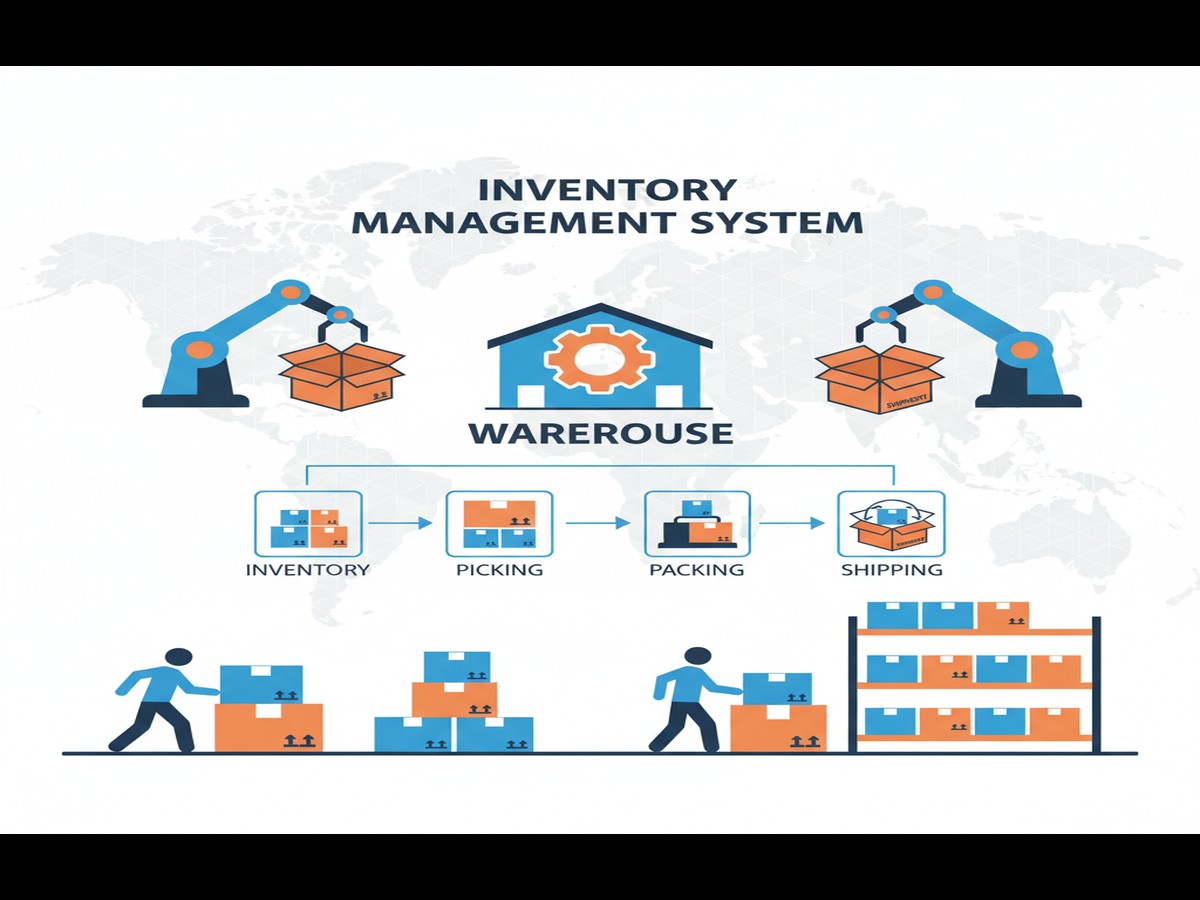
Iraq, a nation grappling with a challenging arid climate and a burgeoning population, faces unique logistical hurdles, particularly concerning the preservation of perishable goods. The strategic importance of cold storage Iraq cannot be overstated, extending far beyond simple warehousing to touch upon critical aspects of national food security, economic diversification, and public health. Establishing robust cold chain infrastructure is not merely a convenience but a fundamental necessity for Iraq’s sustainable development and the well-being of its citizens.
Mitigating Food Spoilage and Enhancing National Food Security in Arid Climates
The scorching temperatures and dry conditions prevalent across much of Iraq create an ideal environment for rapid spoilage of fresh produce, dairy, and meat. Without adequate refrigeration, a significant portion of agricultural output is lost before it ever reaches consumers, exacerbating food insecurity and impacting farmers’ livelihoods. Modern cold storage facilities Iraq are vital in extending the shelf life of these perishable items, allowing for better distribution and reducing post-harvest losses. This directly contributes to a more stable food supply, ensuring that communities, especially in remote areas, have access to nutritious food year-round. Investing in a comprehensive network of warehouse storage solutions is a cornerstone of any strategy to bolster national food security in this climate-vulnerable region, a critical step highlighted by various market analyses, including insights into the broader Iraq cold chain market.
Boosting Agricultural Exports and Diversifying Iraq’s Economic Landscape
While historically reliant on oil, Iraq possesses fertile lands and significant
Cold Storage Iraq Key Industries Driving Demand for Cold Storage Facilities in Iraq
Key Industries Driving Demand for Cold Storage Facilities in Iraq
The burgeoning need for sophisticated infrastructure across various sectors is rapidly accelerating the demand for cold storage facilities in. As the nation rebuilds and diversifies its economy, efficient temperature-controlled logistics become paramount for preserving vital goods, ensuring public health, and fostering economic growth. This expansion is not merely about storage; it’s about enabling modern supply chains that meet international standards and consumer expectations.
Agricultural Sector’s Growing Need for Advanced Food Preservation and Distribution Infrastructure
Iraq’s agricultural sector, a cornerstone of its economy, faces significant challenges in post-harvest management, leading to substantial food loss. The traditional methods of storage are insufficient to cope with the volumes produced, especially for perishable items like fruits, vegetables, and dairy. Investing in advanced cold storage facilities in Iraq is crucial for reducing spoilage, extending shelf life, and stabilizing market prices. This infrastructure enables farmers to store their produce longer, allowing for better market access and reducing waste. Furthermore, as Iraq aims to enhance its food security and potentially become an exporter of agricultural products, a robust network of refrigerated warehouse Iraq facilities is indispensable. The global demand for such facilities continues to rise, with the overall cold storage market projected for significant growth, underscoring the universal importance of these solutions.
Pharmaceutical and Medical Supply Chain Requiring Temperature-Controlled Storage Solutions
The health and well-being of Iraq’s population heavily rely on an effective pharmaceutical and medical supply chain. Many essential medicines, vaccines, and diagnostic reagents are highly sensitive to temperature fluctuations, requiring stringent temperature controlled Iraq environments from production to patient. Without reliable cold chain logistics, the efficacy and safety of these critical supplies can be compromised, posing serious health risks. Modern cold storage solutions are vital for hospitals, clinics, and pharmacies to maintain the integrity of their inventories, ensuring that patients receive safe and effective treatments. This demand is further amplified by global health initiatives and the increasing complexity of medical treatments, which often involve temperature-sensitive biological products.
Emerging Food Processing and Export Industries Seeking Modern Cold Storage Technologies
Beyond raw agricultural produce, Iraq is witnessing a gradual emergence of food processing and export industries. These sectors are keen to add value to local products, such as processed meats, dairy products, and packaged foods, for both domestic consumption and international markets. To compete globally and adhere to international food safety standards, these industries critically require modern cold storage technologies. Such facilities enable efficient processing, freezing, and distribution, preserving the quality and safety of products throughout the supply chain. The expansion of these industries is a key driver for the overall logistics market, with the global cold storage sector anticipating substantial growth, reflecting the increasing worldwide reliance on these services for diverse goods. This strategic investment in cold storage infrastructure supports economic diversification, job creation, and positions Iraq as a more integrated player in regional and international trade.
Types of Cold Storage Solutions and Refrigerated Warehouses Available in Iraq
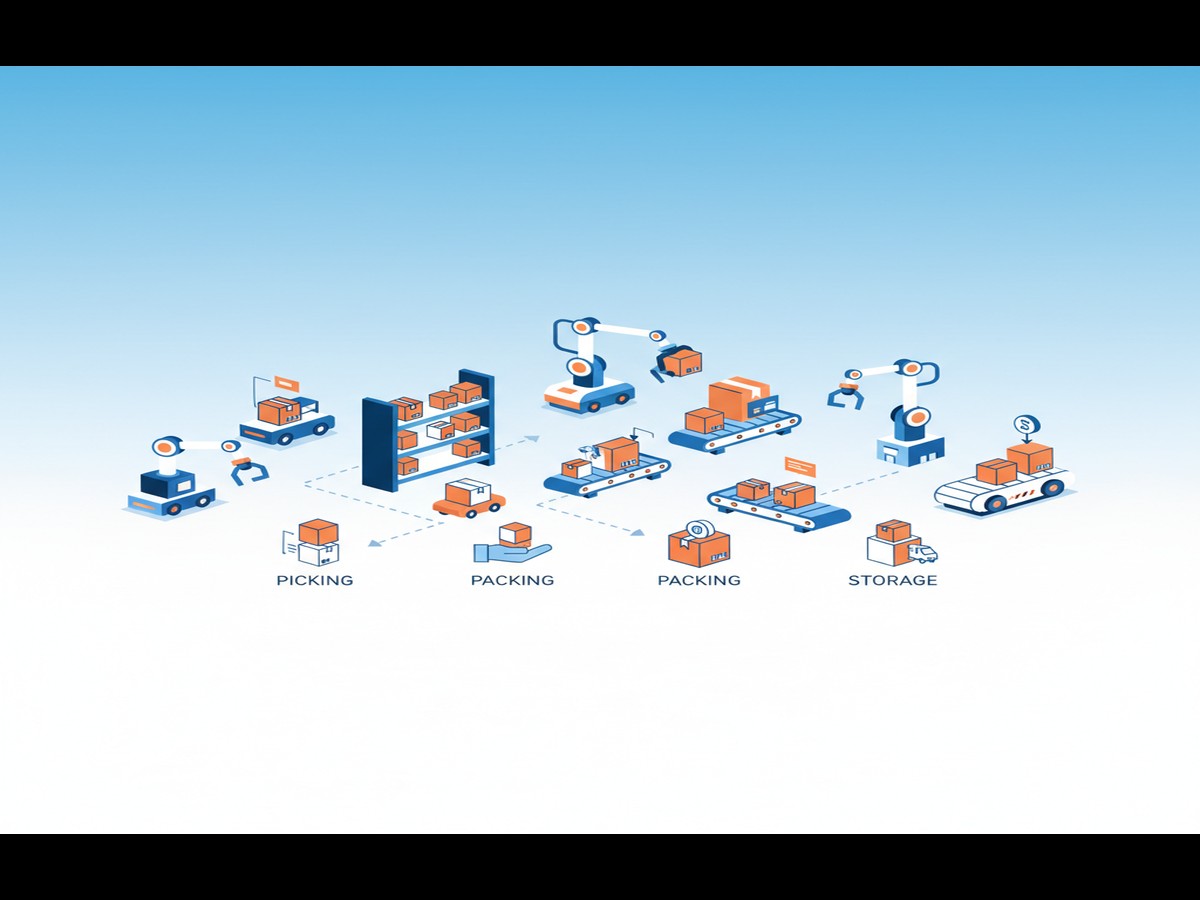
Types of Cold Storage Solutions and Refrigerated Warehouses Available in Iraq
Iraq’s evolving logistics landscape demands sophisticated cold chain infrastructure to support its growing economy and diverse industries. From preserving perishable goods to safeguarding sensitive pharmaceuticals, the nation is seeing an expansion in the types of cold storage solutions and refrigerated warehouses available. This section explores the varied facilities catering to different temperature requirements and specialized product needs across the country.
Diverse Temperature-Controlled Facilities: From Chilled Storage to Deep Freeze Warehouses
The spectrum of temperature-controlled facilities in Iraq is broadening, moving beyond basic refrigeration to encompass a range of precise environments. At the foundational level, chilled storage typically maintains temperatures between 0°C and 10°C, ideal for fresh produce like fruits, vegetables
Need Reliable Delivery Services?
Get a free quote from Direct Drive Logistic today. Fast, secure, and professional logistics solutions tailored to your needs.
Navigating Regulations and Infrastructure for Temperature-Controlled Logistics in Iraq
Navigating Regulations and Infrastructure for Temperature-Controlled Logistics in Iraq
Operating a successful cold chain in Iraq demands more than just advanced refrigeration technology; it requires a deep understanding of the local regulatory landscape and a strategic approach to infrastructure challenges. For businesses dealing with pharmaceuticals, perishable foods, or other temperature-sensitive goods, mastering these elements is crucial for ensuring product integrity and operational efficiency. Direct Drive Logistic specializes in providing the expertise needed to navigate these complexities, offering robust solutions for Iraq cold chain market operations.
Understanding Iraqi Customs Procedures and Regulatory Compliance for Cold Chain Operations
Navigating Iraqi customs procedures is a critical first step for any cold chain operation. Importing and exporting temperature-sensitive goods involves specific documentation, permits, and stringent inspection processes to ensure compliance with health and safety standards. Delays at customs can be catastrophic for perishable items, making efficient clearance paramount. Companies must be well-versed in local regulations concerning product labeling, shelf-life requirements, and specific temperature logging protocols. This often necessitates close collaboration with local agents and a thorough understanding of the nuances of Iraqi commercial law. Ensuring all necessary certifications are in place before shipment can significantly reduce transit times and prevent costly rejections, safeguarding the integrity of the entire cold chain.
Addressing Infrastructure Gaps and Power Reliability for Temperature-Sensitive Goods Transport
Iraq’s infrastructure presents unique challenges for temperature-controlled logistics. While significant investments are being made, issues such as road conditions, port congestion, and, critically, power reliability, can impact the seamless movement and storage of goods. Maintaining consistent temperatures in cold storage facilities Iraq and during transit requires robust solutions. This includes state-of-the-art refrigerated warehouse facilities equipped with redundant power systems, advanced monitoring technology, and well-maintained reefer trucks. For businesses requiring reliable Warehouse Services Erbil, partnering with a logistics provider that prioritizes self-sufficiency in power generation and has a proven track record in challenging environments is essential. Proactive planning for potential disruptions, such as alternative routes and contingency cold storage options, is vital.
Developing Strategic Logistics Routes and Hubs Across Iraq’s
The strategic development of logistics routes and hubs is key to optimizing the cold chain across Iraq. Given the country’s diverse geography and varying levels of infrastructure development, identifying optimal entry points and distribution centers is crucial. Major ports like Umm Qasr, and airports in Baghdad, Basra, and Erbil serve as primary gateways. From these points, efficient last-mile delivery networks, supported by secure and reliable transportation, are necessary to reach end destinations while maintaining temperature controlled Iraq conditions. Establishing strategically located distribution hubs, especially in central and northern regions, can significantly reduce transit times and improve responsiveness. According to a recent analysis, the Iraq warehouse market is poised for growth, emphasizing the need for advanced facilities. This strategic approach to network design is fundamental for any business aiming to achieve efficient and secure cold storage Iraq operations, ensuring that goods reach their destination in perfect condition
Choosing the Right Cold Storage Provider: Essential Criteria for Iraq
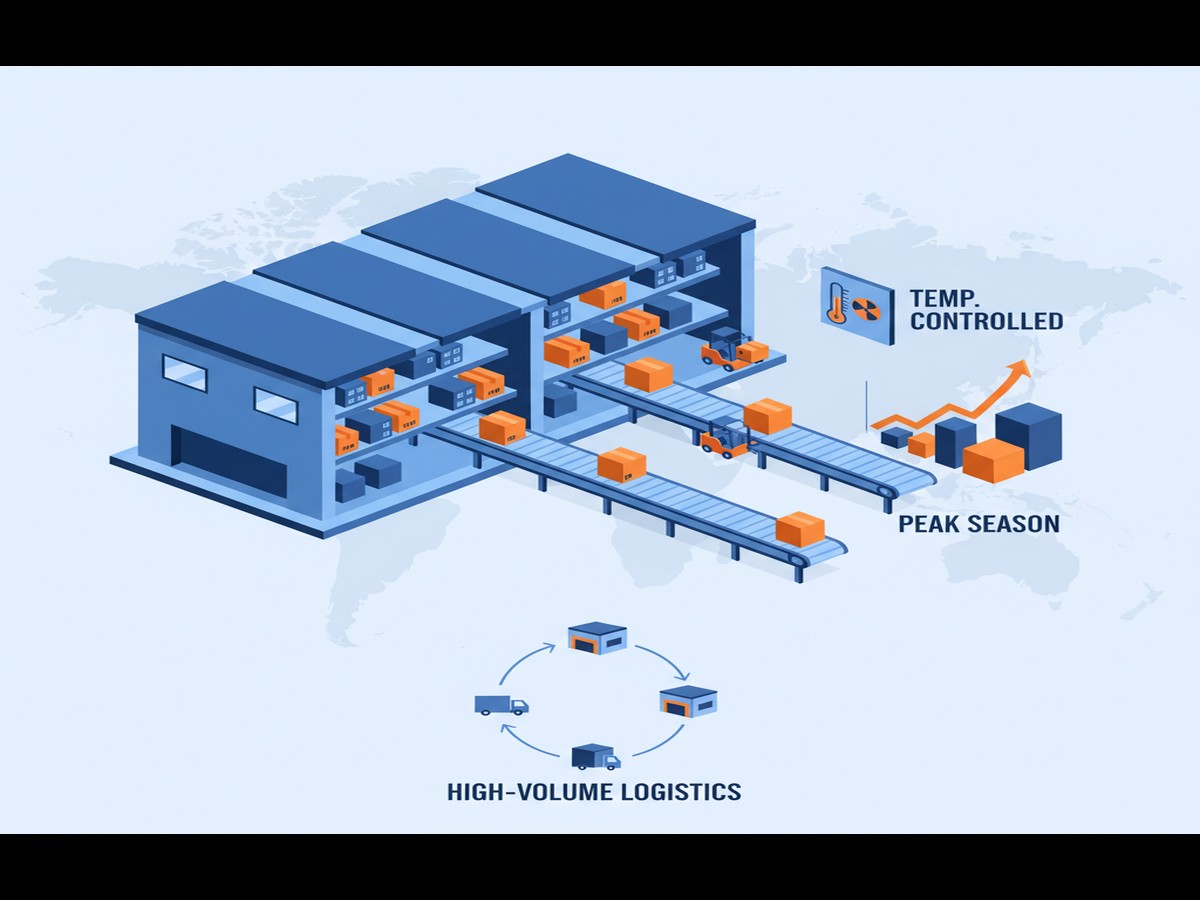
Choosing the right cold storage provider in Iraq is a critical decision that directly impacts product integrity, supply chain efficiency, and ultimately, your business’s profitability. Given the unique operational environment and growing demand within the region, a meticulous selection process is paramount. This section outlines the essential criteria to consider when evaluating potential partners for your cold chain needs in Iraq.
Assessing Facility Infrastructure, Temperature Control, and Advanced Monitoring Systems
The foundation of reliable cold storage lies in its physical infrastructure and technological capabilities. When evaluating cold storage facilities in Iraq, prioritize providers with state-of-the-art construction designed for optimal thermal insulation and energy efficiency. Crucially, assess their temperature control systems, which should offer precise, multi-zone capabilities to accommodate varying requirements for frozen, chilled, and ambient products. This includes dedicated areas for pharmaceuticals, fresh produce, and other sensitive goods, ensuring each item maintains its ideal condition. Advanced monitoring systems are non-negotiable; look for real-time data logging, automated alert systems for temperature deviations, and redundant power supplies to safeguard against outages. These technologies provide transparency and proactive management, ensuring that your valuable inventory remains protected from farm to fork or factory to patient.
Ensuring Regulatory Compliance, Licensing, and Robust Security Protocols in Iraq
Operating a refrigerated warehouse in Iraq demands strict adherence to local and international standards. A reputable cold storage provider must demonstrate full compliance with all relevant Iraqi regulations, holding valid licenses and permits for their operations. Beyond local mandates, inquire about their adherence to global best practices such such as HACCP, ISO certifications, or pharmaceutical good distribution practices (GDP), particularly if handling sensitive goods. Equally important are robust security protocols. Given the regional context, comprehensive security measures are vital. This encompasses 24/7 surveillance, restricted access controls, secure perimeter fencing, and well-trained personnel. Furthermore, consider their cybersecurity measures for data protection, as advanced monitoring systems generate significant amounts of sensitive operational data. A provider with a strong track record in these areas offers peace of mind and minimizes operational risks.
Evaluating Provider Experience, Reliability, and Strategic Location for Distribution Networks
Experience and reliability are invaluable assets when selecting a partner for cold storage in Iraq. A provider with a proven track record demonstrates their capability to navigate the complexities of the Iraqi logistics landscape, handle diverse product types, and consistently meet service level agreements. Inquire about their client testimonials, operational history, and contingency plans for unforeseen challenges. The strategic location of the cold storage facilities is another vital factor for optimizing your distribution network. Proximity to major ports, airports, and key consumption centers across Iraq, including those needing warehouse services Erbil, can significantly reduce transit times and transportation costs. This is particularly relevant given the evolving Iraq logistics report, which highlights increasing demand for efficient supply chains. A well-located facility can serve as a central hub, enabling faster, more cost-effective distribution throughout the country and connecting seamlessly with broader Iraq freight logistics networks.
Cold Storage Iraq Implementing and Optimizing Your Cold Chain Strategy in Iraq
Establishing an effective cold chain strategy in Iraq is crucial for businesses dealing with perishable goods, pharmaceuticals, and other temperature-sensitive products. Given the unique operational environment, a well-planned approach is essential to ensure product integrity and market competitiveness. This section delves into the critical elements, best practices, and common challenges associated with implementing and optimizing your cold chain strategy in the Iraqi market.
Key Aspects of Implementing and Optimizing Your Cold Chain Strategy in Iraq
Successful cold chain implementation in Iraq begins with a thorough understanding of local conditions and strategic planning. Key aspects include comprehensive infrastructure assessment, identifying suitable locations for new cold storage market development or upgrading existing facilities, often requiring specialized warehousing services in Iraq. This involves evaluating power supply reliability, road networks, and proximity to key distribution hubs and consumption centers
Future Trends and Investment Opportunities in Iraq’s Cold Storage Sector
Future Trends and Investment Opportunities in Iraq’s Cold Storage Sector
Iraq’s cold storage sector stands on the cusp of significant transformation, driven by a confluence of evolving market demands, technological advancements, and a strategic national focus on food security and economic diversification. The coming years promise robust growth and attractive investment opportunities for those poised to embrace modernization and capitalize on emerging needs.
Embracing Smart Cold Chain Technologies and Energy-Efficient Solutions for Modernization
The future of cold storage in Iraq will be defined by the adoption of smart cold chain technologies. This includes the integration of IoT sensors for real-time temperature and humidity monitoring, AI-driven predictive maintenance, and automated inventory management systems. Such innovations enhance operational efficiency, reduce human error, and ensure the integrity of temperature-sensitive goods from farm to consumer. Furthermore, energy efficiency will be paramount. Investments in advanced insulation materials, solar power integration, and highly efficient refrigeration systems will not only lower operating costs but also align with global sustainability goals, making facilities more resilient and environmentally friendly. Modernizing existing infrastructure and building new, state-of-the-art facilities with these technologies will be crucial for competitive advantage.
Capitalizing on Growing Demand from Agriculture, Pharmaceuticals, and Food Security Initiatives
The demand for robust cold storage solutions in Iraq is surging across multiple vital sectors. In agriculture, improved cold storage facilities are essential to minimize post-harvest losses, extend shelf life, and enable Iraqi farmers to access broader domestic and international markets. For instance, better preservation of fruits, vegetables, and dairy products can significantly boost agricultural exports and reduce reliance on imports. The pharmaceutical sector, with its stringent requirements for temperature-controlled storage, represents another high-growth area, especially as Iraq’s healthcare infrastructure expands and access to advanced medicines increases. Moreover, government-led food security initiatives, aimed at building strategic reserves and stabilizing food supplies, underscore the critical need for expanded and reliable cold storage Iraq infrastructure. This growing demand creates fertile ground for new ventures and expansion of existing cold storage facilities Iraq.
Strategic Investments in Logistics Hubs and Specialized Temperature-Controlled Storage Facilities
Strategic investment will focus on developing comprehensive logistics hubs and specialized temperature controlled Iraq storage solutions. These hubs, ideally located near major ports and border crossings where efficient customs clearance Iraq is paramount, and consumption centers, will facilitate seamless multi-modal transportation and distribution. Beyond general cold storage, there’s a burgeoning need for highly specialized facilities. This includes ultra-low temperature storage for sensitive pharmaceuticals like vaccines, controlled atmosphere storage for specific agricultural produce to extend freshness, and dedicated chilled storage for meat and dairy products. Projections indicate significant growth in the Iraq cold storage market, highlighting the potential for investors. Developing a network of advanced refrigerated warehouse Iraq facilities, integrated with efficient transportation networks, will be key to unlocking the sector’s full potential and supporting Iraq’s economic development.
Frequently Asked Questions
▼ What is cold storage Iraq, and why is it crucial for regional logistics?
Cold storage Iraq refers to temperature-controlled warehousing essential for preserving perishable goods like pharmaceuticals, vaccines, and food items. It’s crucial for regional logistics due to Iraq’s climate and reliance on imports, preventing spoilage, maintaining product efficacy, and ensuring public health and safety. Our facilities across Iraq and Kurdistan offer reliable solutions.
▼ What types of goods specifically benefit from specialized cold storage solutions in Iraq?
A wide array of temperature-sensitive goods benefits, including vital pharmaceuticals, vaccines, fresh produce, frozen meats, dairy products, and certain chemicals. Our specialized cold storage Iraq facilities are designed to maintain precise conditions, safeguarding product quality and regulatory compliance from arrival at port to final distribution.
▼ How does Direct Drive Logistics maintain temperature integrity throughout the cold chain in Iraq?
We employ advanced refrigeration systems, real-time temperature monitoring, and robust backup power solutions at our cold storage Iraq facilities. Our integrated approach extends to our refrigerated fleet, ensuring an unbroken cold chain from initial receipt to final delivery across Iraq and Kurdistan, minimizing risks of temperature excursions.
▼ What are the primary challenges for cold chain logistics in Iraq and Kurdistan, and how do you address them?
Key challenges include infrastructure limitations, power stability, and complex customs procedures. We mitigate these with state-of-the-art, self-sufficient cold storage Iraq facilities, contingency plans, and a dedicated team with 15+ years of experience navigating local regulations, ensuring smooth and compliant operations.
▼ How much does cold storage in Iraq typically cost, and what factors influence pricing?
Cold storage costs in Iraq vary based on volume, required temperature range (e.g., chilled vs. frozen), storage duration, and additional services like inventory management or cross-docking. We offer competitive, transparent pricing. Contact us with your specific requirements for a tailored quote for cold storage Iraq services.
▼ Why choose Direct Drive Logistics for reliable cold storage Iraq and regional distribution?
Choose us for our extensive network, state-of-the-art facilities, and over 15 years of proven expertise in Iraq and Kurdistan. We provide end-to-end cold chain solutions, adhering to international standards, ensuring product integrity, and offering unparalleled reliability for all your cold storage Iraq and logistics needs.
Conclusion
In conclusion, the future of various vital sectors in Iraq—from pharmaceuticals and food to agriculture and specialized chemicals—hinges significantly on the robustness and reliability of its cold chain infrastructure. While unique logistical and environmental challenges exist, the imperative for advanced **cold storage Iraq** solutions is undeniable, presenting both a necessity and a tremendous opportunity for growth and market expansion.
Direct Drive Logistics stands at the forefront of this crucial development. We don’t just offer storage; we provide comprehensive, end-to-end cold chain management designed to safeguard your valuable temperature-sensitive assets. Our commitment to cutting-edge technology, stringent quality control, and unparalleled local expertise ensures that your products maintain their integrity, potency, and freshness from origin to destination, minimizing waste and maximizing profitability. We empower businesses to navigate Iraq’s complex logistics landscape with confidence, turning potential hurdles into strategic advantages.
Don’t let the complexities of cold chain logistics impede your business’s potential in Iraq. Partner with Direct Drive Logistics to leverage our proven solutions and unlock new levels of efficiency, compliance, and market reach. We are ready to be your trusted ally in securing your supply chain. Discover how our tailored cold storage solutions can transform your operations. Contact Direct Drive Logistics today to discuss your specific requirements and embark on a path to secure, efficient, and reliable logistics.
Secure your temperature-sensitive goods with Direct Drive Logistics’ cutting-edge cold storage solutions in Iraq, ensuring your products remain pristine from warehouse to delivery. Protect your inventory from temperature fluctuations and minimize spoilage by contacting our expert team today at (+964) 750 953 9899 to customize a cold storage strategy tailored to your specific needs.
📞 Contact Us for a Consultation
Location
Direct Drive Logistic
MRF Quattro towers, Block A-29-1
Erbil, Kurdistan Region