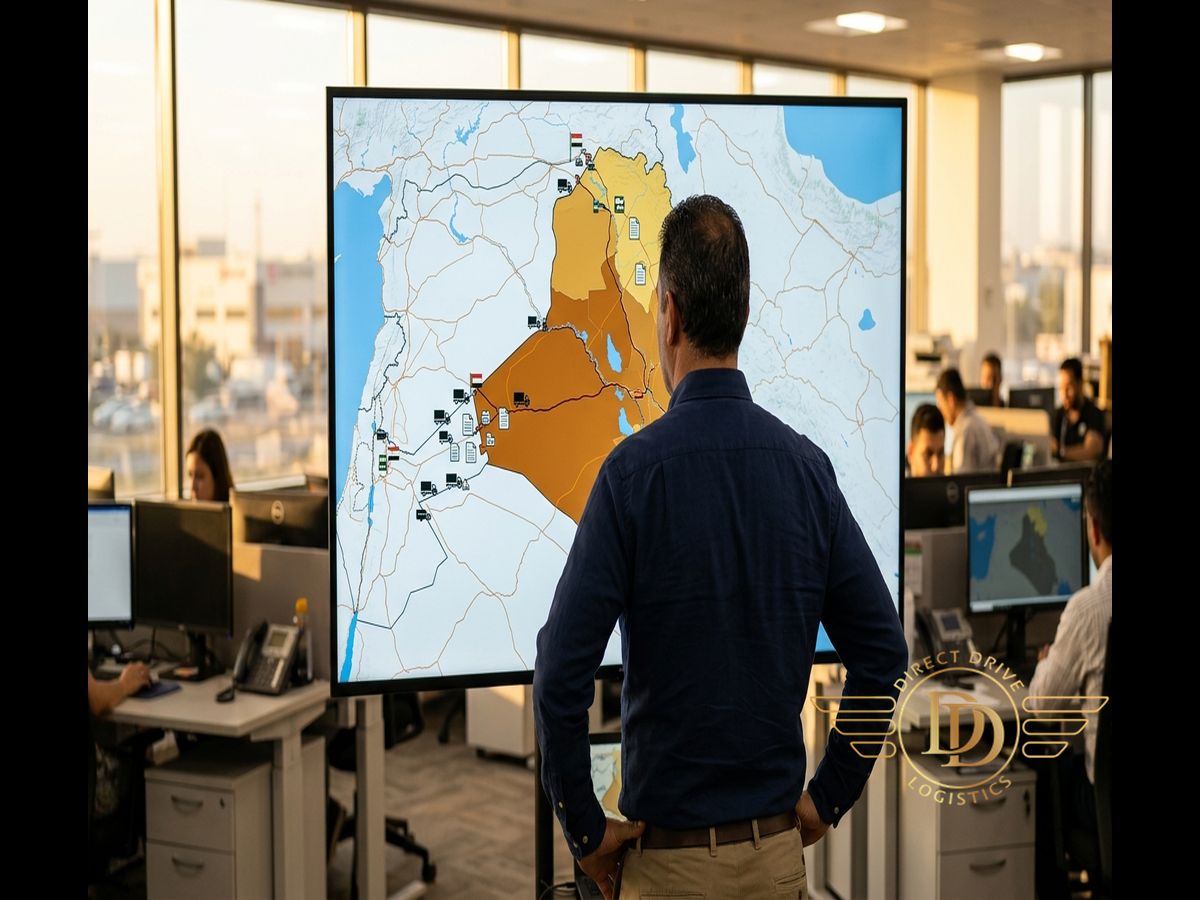
Discover how iraq border crossings can transform your operations with this guide provides a complete operational map of all 15 iraq border crossings, demonstrating how our unique dual-country presence in both iran and iraq and official umm qasr port license provide unmatched routing flexibility and customs clearance reliability.
Iraq’s 15 land, sea, and air entry points are vital arteries for regional trade, facilitating billions in commerce annually. These include key crossings with Iran like Shalamcheh and Parviz Khan, the crucial Ibrahim Khalil with Turkey, and the primary sea freight hub, Umm Qasr Port. Navigating these diverse routes requires precise documentation and an understanding of both federal and Kurdistan Region of Iraq (KRG) customs regulations to ensure efficient cargo movement.
When your cargo is stuck at a critical Iraq border crossing for days due to a missing permit or an unrecognized customs declaration, the financial and logistical repercussions can be severe. Missing one customs document, for instance, can delay your Iraq shipment by 3–6 weeks and cost upwards of USD 800+ in storage fees. Understanding the intricacies of Iraq border crossings is not merely about identifying entry points; it’s about mastering the operational landscape to prevent costly delays and ensure timely delivery. This is why a comprehensive operational map of all 15 Iraq border crossings, demonstrating routing flexibility and customs clearance reliability, can transform your operations.
This guide offers a deep dive into the complex world of Iraq border crossings, acknowledging that inefficient logistics can quickly erode profit margins and damage supply chain integrity. We address the common pain points faced by logistics managers and business owners, from deciphering dual customs systems—Federal Iraq versus the Kurdistan Region of Iraq (KRG)—to understanding specific procedures at high-volume crossings like those along the Iran-Iraq border. A critical aspect often overlooked is the distinction between federal and KRG customs systems, where each operates under different regulations and documentation requirements, necessitating specialized expertise for smooth transit.
We’ll explore the strategic importance of each major crossing, including the Turkey-Iraq border at Ibrahim Khalil, and evaluate the viability of routes through Jordan, Saudi Arabia, and Kuwait. Furthermore, this article provides practical insights into when to choose sea freight via Umm Qasr Port or opt for faster air freight solutions. Understanding the economic impact and security considerations for each border crossing is crucial, as is having detailed information on current operational statuses and specific documentation requirements, which competitors often miss.
Ultimately, this article aims to equip you with actionable knowledge to confidently navigate Iraq’s border landscape. We’ll highlight what capabilities differentiate an expert Iraq freight forwarder, particularly those with a dual Iran-Iraq presence, to prevent cross-border delays. This unique operational model, where a logistics provider maintains physical offices and warehouses in both countries, significantly enhances coordination and problem-solving capabilities, reducing transit times and costs. By the end, you’ll have a comprehensive checklist for obtaining compliant and reliable quotes for cargo destined for Baghdad and beyond, ensuring your goods move efficiently and securely across Iraq border crossings.
Need Logistics Consultation?
The Direct Drive team is ready to assist. Message us now.
Navigating Iraq’s Complex Border Landscape: What You Need to Know
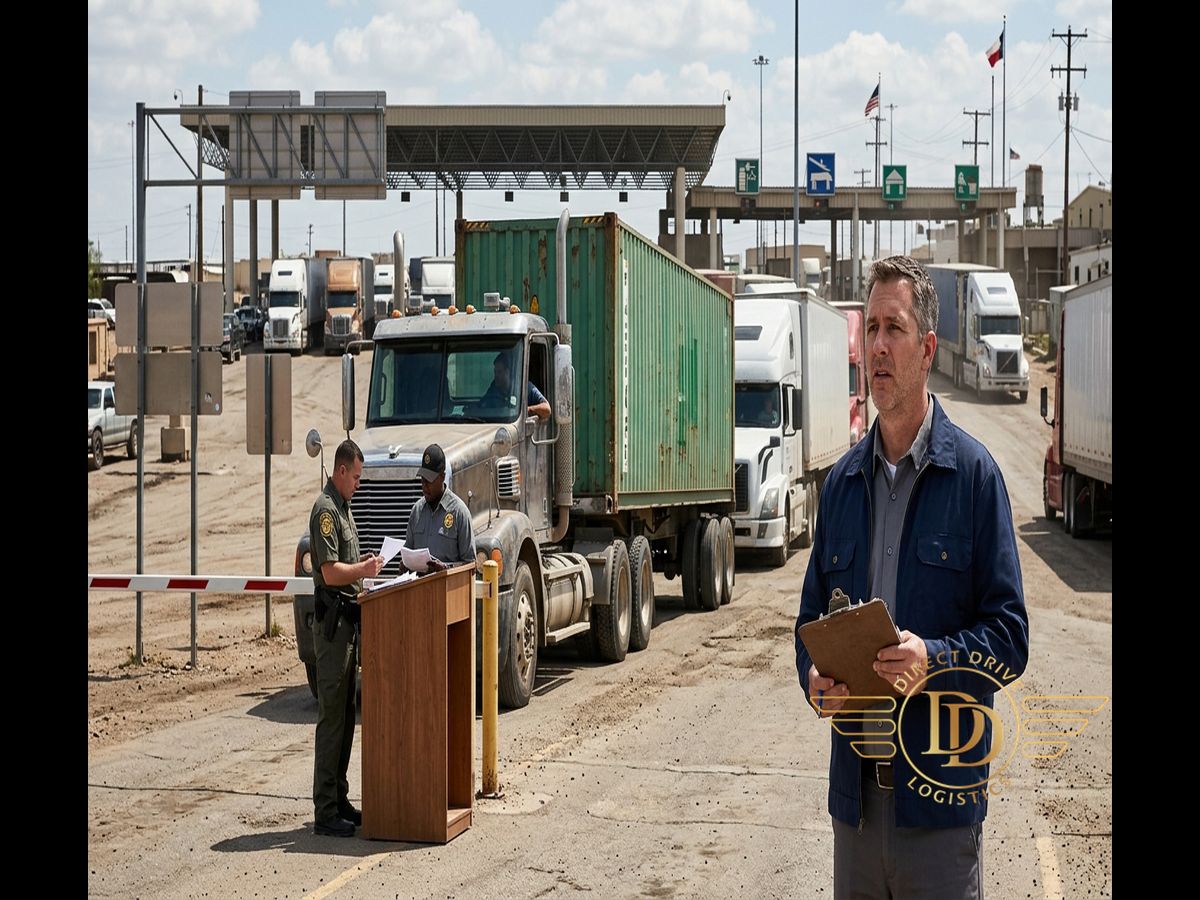
The Geopolitical Chessboard: How Regional Relations Influence Border Stability and Access
Successfully moving cargo through Iraq’s 15 land, sea, and air entry points depends on understanding one core reality: the country operates under two distinct customs systems. The Federal Government in Baghdad controls entry points in the south and west, while the Kurdistan Regional Government (KRG) manages crossings in the north, such as Ibrahim Khalil with Turkey. This dual structure creates different cost, documentation, and processing timelines depending on your chosen route.
For example, standard customs clearance at the KRG-controlled Ibrahim Khalil border averaged 3-5 days in 2025. In our operations across all 15 official Iraq border crossings map, we consistently see how quickly these timelines can change based on the shifting landscape of regional politics in Iraq. A partner with a physical presence across both federal and KRG zones is non-negotiable for maintaining supply chain continuity.
This operational division directly impacts shipping costs. A full container load from Mersin, Turkey, to Erbil via a KRG crossing had a typical rate of USD 2,500-3,500 in Q3 2026. This followed a 5-8% cost increase in 2025, driven by regional fuel prices and administrative changes. One mistake we see regularly is shippers budgeting for a route without confirming the specific customs regime, leading to unexpected duties and significant delays at the border.
Direct Drive Logistic mitigates this risk by operating across every land frontier into Iraq, from the Turkish and Iranian corridors to the Jordanian and Saudi frontiers. This comprehensive network across both KRG and Federal Iraq border crossings provides the routing flexibility needed to bypass sudden closures or bottlenecks, ensuring your cargo always has a viable path to its destination.
Your next step: Provide our team with your cargo’s origin and destination for a complimentary route analysis comparing Federal and KRG entry points. We’ll deliver a preliminary assessment within 24 hours.
Introduction to Iraq Border Crossings
Major Federal vs. Kurdistan Region of Iraq (KRG) Border Points
Navigating Iraq border crossings requires understanding the two distinct customs jurisdictions: Federal Iraq and the Kurdistan Region of Iraq (KRG). Each system has unique procedures and tariffs, directly impacting transit times and costs. Direct Drive Logistic operates across all 15 land frontiers, providing the flexibility to route cargo through the most efficient federal or KRG entry point based on real-time conditions.
Federal crossings, such as Shalamcheh with Iran and Trebil with Jordan, are governed by Baghdad. The introduction of a new customs valuation system in Q1 2026 has already caused a 5-10% change in duty for some goods, aiming for more predictable costs. Furthermore, the Q2 2026 agreement to complete the Shalamcheh-Basra railway will significantly boost cargo capacity from Iran into southern Iraq.
In contrast, KRG crossings like Ibrahim Khalil (with Turkey) and Parviz Khan (with Iran) operate under the authority of the Kurdistan Regional Government. While clearance here can be faster, goods destined for federal territories often require secondary clearance. Our quad-language team, fluent in Arabic, Kurdish, Farsi, and English, expertly manages documentation across both jurisdictions.
One mistake we see regularly is shippers assuming KRG customs clearance is final for cargo moving to Baghdad or Basra. This error leads to unexpected delays and double-duty payments at federal checkpoints. In our operations, we’ve seen this mistake add 3-4 days to a delivery schedule.
| Feature | Ibrahim Khalil (Turkey-KRG) | Shalamcheh (Iran-Federal Iraq) | Trebil (Jordan-Federal Iraq) |
|---|---|---|---|
| Controlling Authority | KRG (Erbil) | Federal (Baghdad) | Federal (Baghdad) |
| Primary Cargo | Consumer Goods, Construction | Petrochemicals, FMCG | General Cargo, Reefer |
| Customs Complexity | Moderate; separate KRG tariff | High; subject to federal regulations | Moderate; standardized process |
| Est. Transit to Baghdad | 8-12 hours | 4-6 hours | 6-10 hours |
The strategic differences between these entry points are significant. The various Iran Iraq border crossing names each represent a unique logistical pathway with distinct challenges. Having a partner with a physical presence in both Iran and Iraq, like Direct Drive Logistic, allows for immediate re-routing—for instance, shifting a Tehran-origin shipment from a congested federal crossing to a KRG point to maintain delivery timelines. Understanding these nuances is crucial for effective Iraq cross-border logistics and navigating international trade routes.
Your next step: Provide our team with your cargo’s origin and final destination in Iraq. We will deliver a comparative route analysis, including customs estimates for both federal and KRG entry points, within 24 hours.
Streamlining Customs: Modernization and Dual System Navigation
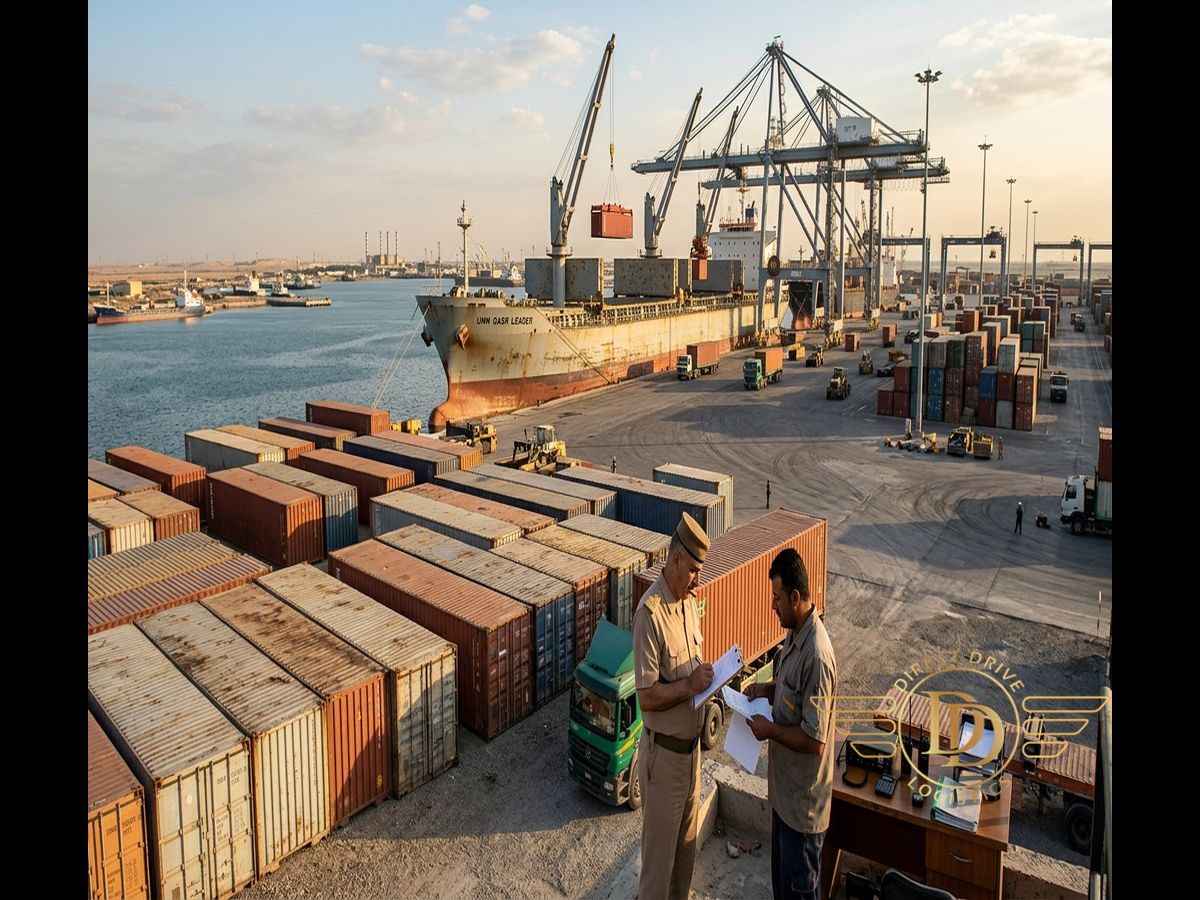
Navigating Iraq’s Dual Customs Systems: Federal vs. KRG
Successfully moving cargo across Iraq border crossings requires mastering two distinct customs regimes: the Federal system governed by Baghdad and the separate system managed by the Kurdistan Regional Government (KRG). As of 2025, the Iraqi logistics market had already reached a projected value of USD 11.29 billion, a testament to the immense trade volume that flows through these parallel structures.
The Federal government has made strides in modernizing its procedures with the implementation of the Automated System for Customs Data, known as the ASYCUDA system in Iraq. This digital platform aims to standardize documentation and Iraq customs valuation. However, its adoption varies by port. In our operations across all 15 border crossings, we consistently see that while ASYCUDA speeds up processing at major hubs like Umm Qasr, manual overrides and local interpretations can still cause unexpected delays without an experienced agent on the ground.
The core challenge lies in the difference between KRG vs Federal customs. Tariffs, required documents, and inspection protocols can differ significantly, impacting final costs and delivery times. While there are ongoing efforts toward a unified tariff system, projections suggest full harmonization may not occur before 2030. One mistake we see regularly is shippers preparing documentation for one system, only to find their cargo requires a completely separate clearance process when crossing into the other jurisdiction, for example, from Erbil to Baghdad. This can halt a shipment for days.
Managing this dual-system environment demands constant vigilance, as political and security events can alter procedures overnight, affecting official border status updates. Direct Drive Logistic mitigates this risk through our permanent offices and licensed teams in both Federal Iraq and the KRG. Our quad-lingual staff—fluent in Arabic, Kurdish, Farsi, and English—liaise directly with authorities in both jurisdictions, ensuring every shipment has the correct, pre-approved documentation before it even arrives at the border.
Your next step: Provide our team with your cargo’s origin and final Iraqi destination. We will map the optimal customs route and provide a clear breakdown of all Federal and KRG requirements within 24 hours.
Looking for a logistics partner who knows these routes? Direct Drive Logistic operates daily from Erbil to every Iraqi governorate — reach out for a route-specific consultation.
Beyond Borders: Direct Port Access & Comprehensive Customs Clearance
Streamlining Entry with Direct Port Access for Efficient Iraqi Customs Clearance
Navigating Iraq’s dual customs system—covering both federal territories and the Kurdistan Region (KRG)—is a primary challenge for shippers. While land-based iraq border crossings are vital, the Port of Umm Qasr remains the strategic gateway for sea freight into southern and central Iraq, handling the majority of containerized cargo.
Direct port access provides a significant operational advantage. As an officially licensed government clearing agent at Umm Qasr, Direct Drive Logistic manages the entire process without third-party brokers. For a recent shipment of medical equipment from Dubai to Baghdad, our team achieved full customs clearance in just 48 hours, a stark contrast to the common delays at land borders.
Goods entering through KRG territory face a two-stage process for final delivery in federal Iraq. An initial customs duty is paid at a KRG entry point, like Ibrahim Khalil. A second, separate Iraq customs tariff settlement is then required at a federal checkpoint before the cargo can proceed to cities like Baghdad or Basra.
A frequent error we see is shippers failing to pre-file documentation for the second federal clearance, assuming the KRG stamp is sufficient. This mistake can lead to delays of up to 14-21 days as paperwork is re-submitted, far exceeding the typical 3-7 day clearance window.
In our experience managing over 300 Iran-Iraq cross-border shipments, this dual-tariff system requires expert coordination. With frequent disruptions at land crossings, relying on a single entry point is a major risk. Our operational presence across all 15 iraq border crossings and direct license at Umm Qasr provides the flexibility to re-route cargo and maintain delivery schedules.
Your next step: Provide our team with your cargo’s origin and destination. We will map the most efficient customs route—KRG or federal—and provide a complete tariff breakdown within 24 hours.
Integrated Logistics: Road, Sea, Air with Verified Volume & Flexibility
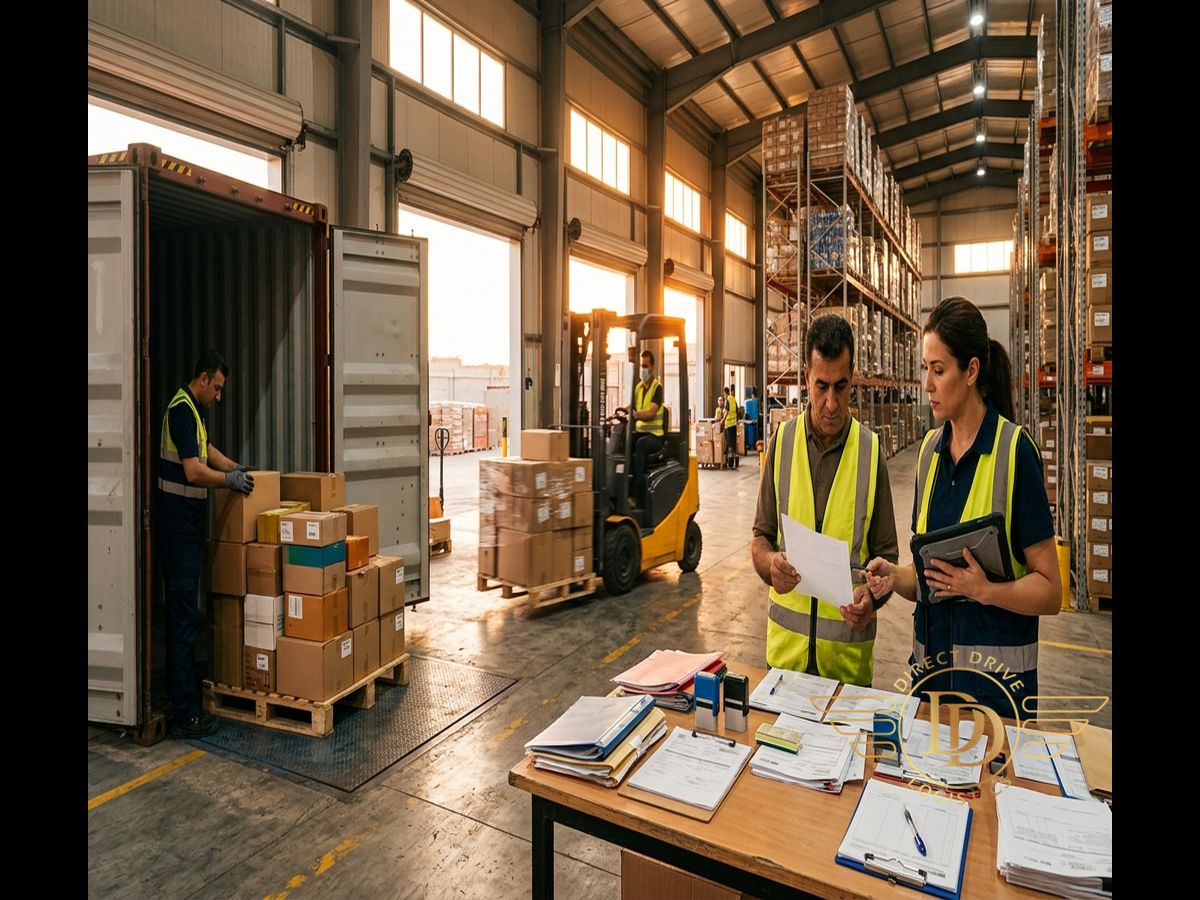
Seamless Multi-Modal Shipping: Combining Road, Sea, and Air Routes to Iraq
Static supply chains are a liability in a dynamic market. With Iran-Iraq trade volume reaching USD 13 billion in 2025, relying on a single entry point exposes businesses to unnecessary risk from congestion and delays. A flexible, multi-modal transport strategy is no longer an option but a core operational requirement for maintaining schedules and controlling costs in the region.
One mistake we see regularly is over-reliance on a single transport mode, particularly sea freight to Umm Qasr, without a viable overland alternative. Direct Drive Logistic mitigates this risk by being a true multi-modal operator with permanent offices in both Iraq and Iran. Our official government clearing license at Umm Qasr allows us to clear medical equipment from Dubai in just 48 hours, while our network across all 15 land borders provides immediate rerouting capabilities if port conditions change.
In our operations, we consistently leverage this network to provide clients with unmatched flexibility. When a shipment of consumer goods from China arrives at Iran’s Bandar Abbas port, we can manage the entire sea-to-land freight corridor through to Erbil under a single consignment note. This integrated approach avoids the delays and communication gaps common when using separate forwarders for sea and land legs, a frequent source of customs clearance issues.
This operational agility is complemented by systemic improvements. The Iraqi Customs Authority’s modernization efforts have already reduced document processing times by an estimated 15-20% at federal crossings as of late 2026. By combining route flexibility with deep knowledge of these streamlined procedures, we ensure your cargo moves via the most efficient path available on any given day.
Your next step: Request a complimentary route analysis from our team to identify at least two viable shipping corridors for your specific cargo, ensuring resilience against potential disruptions.
Case Study: Tehran to Baghdad – 0-Day Delay Despite Border Congestion
The Challenge: Overcoming Peak Border Congestion on the Tehran-Baghdad Trade Lane
When a key client needed to transport three 40-foot containers of fast-moving consumer goods from Tehran to Baghdad, they faced a common but critical obstacle. Unexpected congestion at the primary planned crossing point created a significant risk of delay. With standard customs clearance times at major crossings averaging 3-5 days in 2025, any additional bottleneck could jeopardize stock levels and sales contracts in Baghdad.
This is where deep regional expertise becomes a tangible asset. Instead of joining a multi-day queue, our teams in both Tehran and Iraq coordinated an immediate re-route. Leveraging our operational network across all 15 active iraq border crossings, we diverted the convoy to the Mehran border crossing, which our intelligence identified as having lower traffic volume. This decision was executed seamlessly, preserving the original 4-5 day door-to-door delivery timeline.
A frequent error we see in this stage is relying on a forwarder with a limited operational footprint. When a logistics partner only knows one or two routes, any disruption—from political shifts to simple traffic surges—becomes a complete shutdown of their client’s supply chain. This is a persistent risk factor highlighted by analysis of regional border management. In our operations, we have proven that route flexibility is not a luxury but a core requirement for reliable Iran-Iraq freight.
The outcome was a zero-day delay, with the cargo arriving exactly on schedule. By proactively managing the route, we delivered a superior solution that avoided the need for expedited clearance, a service that typically adds a 15-25% cost premium. This case study demonstrates how our unmatched network of iraq border crossings and dual-country presence provide practical, cost-effective Tehran to Baghdad freight solutions that competitors simply cannot replicate.
Your next step: Provide us with your most challenging Iran-Iraq shipping lane, and we will deliver a complimentary route optimization analysis within 48 hours.
Ready to move forward? Contact Direct Drive Logistic — a 15-minute consultation often prevents days of border delays.
Get Your Free QuoteWhy Direct Drive Logistic is Your Preferred Iraq Border Partner
Navigate Complex Iran-Iraq Trade with Our Dual-Country On-the-Ground Presence
Successfully managing logistics across the Iraq border crossings requires more than just a shipping agent; it demands a partner with a physical, operational footprint inside both Iraq and Iran. Direct Drive Logistic is uniquely positioned with permanent offices and warehouses in both Erbil and Tehran. This dual-country presence eliminates the communication gaps and subcontracting risks that plague single-country forwarders, providing a seamless, single-point-of-contact solution for your entire supply chain.
Navigating regulatory shifts is a core challenge. When Iraq’s General Commission for Taxes and Fees Regulation introduced a revised customs valuation system in Q1 2026, it led to a 5-10% change in duty for certain commodity categories. Our on-the-ground teams in Baghdad and Erbil managed these transitions proactively, ensuring our clients’ cargo was declared correctly under the new WTO-aligned principles without delay, a service an external Iran Iraq customs broker cannot match.
Infrastructure developments also create new opportunities and challenges. The agreement to complete the Shalamcheh-Basra railway, finalized in Q2 2026, will reshape freight flows into southern Iraq. Our presence at the Shalamcheh border and our licensed operations at Umm Qasr port mean we can provide clients with optimal routing, whether their cargo moves by road today or by rail tomorrow.
In our experience managing shipments across all 15 of Iraq’s land borders, a frequent error we see is businesses relying on forwarders who only operate on one side of the frontier. This approach forces subcontracting for the final leg, which introduces multiple points of failure, especially with KRG customs clearance agents. Our integrated teams, fluent in Farsi, Arabic, and Kurdish, prevent these costly hand-off errors.
Choosing a partner without an official clearing license at the Port of Umm Qasr is a significant operational risk. This oversight can lead directly to demurrage fees of over USD 100 per container per day and unpredictable customs holds. As a government-licensed clearing agent, Direct Drive Logistic provides direct port access, eliminating third-party brokers and securing faster, more reliable clearance for all sea freight.
Your next step: Request a comparative quote for your Dubai-to-Baghdad or Tehran-to-Erbil route to see how our direct, dual-country model reduces transit time and eliminates hidden fees.
Send your cargo details to Direct Drive Logistic on WhatsApp — get a route-specific checklist and quote within 24 hours.
Message on WhatsAppWhy Choose Direct Drive Logistic?
Offices in Erbil (HQ) + Tehran (Nasim Shahr Terminal); rentable warehouse space in Baghdad, Karbala, Najaf, Erbil, Duhok and Basra, plus a warehouse in Tehran
Government-licensed clearing agent — direct port access for sea freight into southern Iraq
2,500+ Iraq domestic deliveries, 300+ Iran-Iraq cross-border, 100+ international freight; air freight handler at Erbil, Baghdad, and Sulaymaniyah airports
Operational at 4 KRG borders (Parviz Khan, Bashmagh, Haji Omran, Ibrahim Khalil) plus the Sheikh Saleh border market, 5 federal Iran-Iraq borders (Khosravi, Sumar, Mehran, Shalamcheh, Chazzabeh) and 6 further federal crossings (Trebil, Arar, Safwan, Al-Qaim, Al-Rabia, Al-Waleed), plus Bandar Abbas port
Full operational fluency in Farsi, Arabic, Kurdish, and English — client-facing and documentation
~10 trucks/day from Erbil hub covering Baghdad, Karbala, Najaf, Basra, Kut (Wasit), Diyala, Nasiriyah, and all Iraqi governorates
Frequently Asked Questions
Iraq’s main border crossings for goods include key land routes with Iran, Turkey, Jordan, and Saudi Arabia, alongside the vital sea port of Umm Qasr. For land freight, major Iran-Iraq crossings like Shalamcheh, Mehran, and Parviz Khan are critical, handling a significant portion of the USD 13 billion trade volume recorded in 2025. With Turkey, Ibrahim Khalil is the primary gateway, while Trebil (with Jordan) and Arar (with Saudi Arabia) are increasingly important, especially as trade with Saudi Arabia saw an estimated 25% increase in 2025. Sea freight primarily enters via Umm Qasr in Basra, offering direct access to southern Iraq.
Common difficulties at Iraq border crossings, particularly with Iran and Turkey, include navigating diverse customs regulations, managing documentation complexities, and addressing potential congestion. For instance, importing oversized construction equipment requires specific permits from the Iraqi Ministry of Transport and Communications (MTC) for Federal Iraq or the KRG Ministry of Transport for the Kurdistan Region. While federal crossings like Trebil and Arar are seeing a 15-20% reduction in document processing time by Q4 2026 due to modernization, traditional challenges persist. In 2025, standard customs clearance at Ibrahim Khalil averaged 3-5 days, highlighting the need for meticulous preparation to avoid delays and additional costs.
An expert logistics provider can significantly overcome border crossing challenges by leveraging an extensive network and deep local knowledge. For instance, Direct Drive Logistic operates across a 15-border crossing network spanning every land frontier into Iraq, including 4 KRG borders and 5 federal Iran-Iraq borders. This comprehensive coverage allows for real-time re-routing to mitigate congestion, as demonstrated when Direct Drive Logistic re-routed 3 x 40ft containers of FMCG goods from Tehran to Baghdad through Mehran without changing the ETA, despite primary border congestion. Such flexibility ensures business continuity and adherence to delivery timelines.
To ensure smooth customs clearance and multi-modal transport across Iraq’s borders, a logistics partner must possess several critical capabilities. This includes being an official licensed clearing agent at key entry points like the Port of Umm Qasr, which allows for direct clearance and eliminates the need for third-party brokers, saving significant port storage and demurrage fees. Furthermore, a partner should offer true multi-modal operations across road, sea, and air, with a proven track record of thousands of completed shipments. Direct Drive Logistic, for example, has managed over 2,900 shipments and operates with full operational fluency in Farsi, Arabic, Kurdish, and English, crucial for seamless documentation and communication at diverse border points.
Yes, a reputable logistics provider should be able to demonstrate concrete experience and results in managing complex cross-border shipments into Iraq. For instance, Direct Drive Logistic has over 10 years of experience in the region, including managing the full corridor from China to Bandar Abbas port, Iran, and then to Erbil, Iraq, for electronics and consumer goods. This involved handling ocean freight, Iranian CMR transit, and KRG import clearance under a single operator, eliminating multi-party coordination risks. Another example is resolving a temporary import license issue with KRG border authorities at Ibrahim Khalil within one day for electronics from Mersin, Turkey, showcasing local team effectiveness.
The primary commercial border crossings between Iran and Iraq include Shalamcheh, Mehran, Parviz Khan (KRG), Bashmagh (KRG), Haji Omran (KRG), Khosravi, Sumar, and Chazzabeh. These crossings facilitate significant trade, with the overall trade volume between Iran and Iraq reaching USD 13 billion in 2025. Regarding travel, it is generally possible to go to Iraq now, but entry requirements, including visas and security protocols, vary depending on nationality and the specific region of Iraq (Federal Iraq or the Kurdistan Region). It is crucial for individuals to consult the latest travel advisories and visa regulations from their respective governments and the Iraqi authorities before planning a trip.
Conclusion
Navigating the intricate network of Iraq border crossings demands more than just understanding routes; it requires deep operational insight into dual customs systems, regional geopolitical nuances, and the capacity to adapt to dynamic conditions. As demonstrated by our Tehran to Baghdad case study, achieving a 0-day delay even amid peak border congestion underscores the critical value of on-the-ground expertise and robust contingency planning.
To confidently identify your optimal Iraq border crossing strategy, first, audit your current shipment Incoterms to ensure they align with your logistical capabilities. Second, ask your current freight forwarder for their specific, documented procedures for managing delays at federal and KRG borders. Finally, to gain a clear advantage, engage with Direct Drive Logistic’s experts for a tailored assessment of your supply chain needs, leveraging our 15-border crossing network across Iran, Turkey, Jordan, Saudi Arabia, Kuwait, and Syria.
Direct Drive Logistic stands as Iraq’s premier logistics partner, offering unparalleled reliability and security across all Iraq border crossings. Our dual-country presence in Iraq and Iran, combined with a decade of specialized experience, ensures seamless operations and optimized costs. For immediate assistance with your next shipment, contact our dedicated team today at (+964) 750 637 9296.
Need Logistics Consultation?
The Direct Drive team is ready to assist. Message us now.
Navigate the complexities of Iraq border crossings with unparalleled ease and efficiency. Don’t let logistical hurdles delay your vital shipments; unlock a smoother, faster, and more reliable supply chain today. Call Direct Drive Logistic at (+964) 750 637 9296 to optimize your Iraq operations.
Get Your Free Quote NowContact Us for a Consultation
Location
Direct Drive Logistic
Gulan Street, MRF Quattro Block A 13-9
Erbil, Kurdistan Region